
Accelerating Demand for AI Hardware
The rapid evolution of Large Language Models (LLMs) and other artificial intelligence workloads has generated unprecedented demand for specialized hardware. This phenomenon extends beyond high-end GPUs to encompass the entire supply chain, from basic materials to complex components.
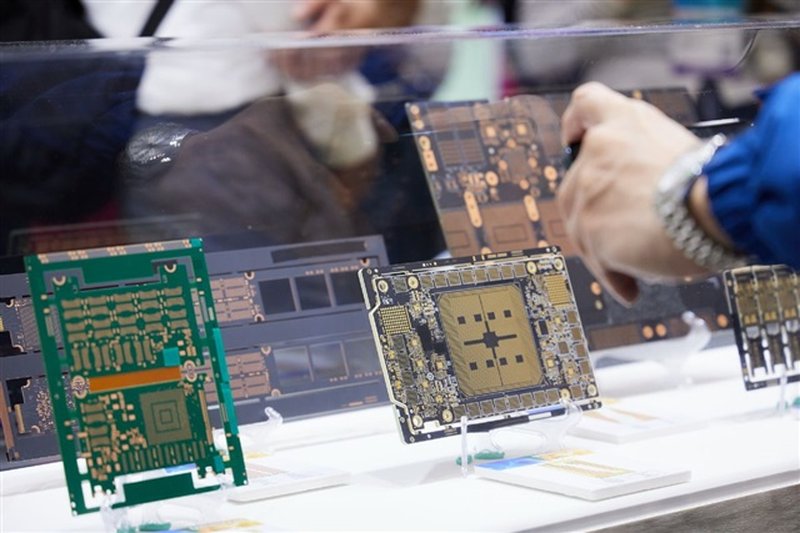
In this context, Nan Ya PCB, a leading manufacturer in the printed circuit board industry, has announced an increase in its production capacity. This decision is a direct response to the growing demand for advanced substrates, which are fundamental elements for the creation of next-generation AI chips. This expansion highlights the current pressure on the AI hardware supply chain and its broad implications for deployment strategies, both on-premise and cloud, directly influencing the availability and Total Cost of Ownership (TCO) of dedicated artificial intelligence infrastructure.
The Crucial Role of Advanced Substrates
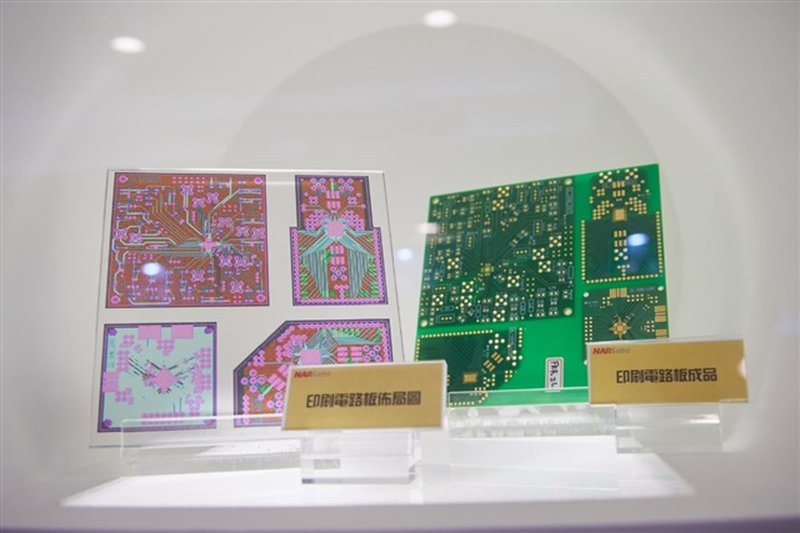
Advanced substrates represent a critical component for the structural integrity and performance of modern AI chips. These elements enable denser interconnections between various chip components while ensuring better heat dissipation and improved energy efficiency. Such characteristics are vital for GPUs and AI accelerators, which must handle computationally intensive workloads with high performance and reliability requirements.
The production of these substrates demands extremely complex manufacturing processes and significant investment in research and development. Their quality and availability are directly correlated with chip manufacturers' ability to innovate and scale the production of increasingly powerful AI solutions. Nan Ya PCB's capacity expansion therefore reflects a systemic industry need to strengthen the foundations of AI hardware production.
Implications for On-Premise Deployment and the Supply Chain
The increased production capacity by key players like Nan Ya PCB is a tangible indicator of the persistent tension in the global AI hardware supply chain. For organizations evaluating on-premise deployment strategies, the availability and cost of these components directly translate into TCO considerations and project feasibility.
Component scarcity or delays in deliveries can significantly impact implementation timelines and initial capital expenditures (CapEx) for building local AI infrastructure. The need to ensure data sovereignty and operate in air-gapped environments often requires direct control over hardware, making supply chain stability and resilience a critical factor for CTOs, DevOps leads, and infrastructure architects. AI-RADAR offers analytical frameworks on /llm-onpremise to evaluate the trade-offs between different deployment strategies, including supply chain impacts.
Future Outlook and Supply Chain Resilience
Nan Ya PCB's strategic move reflects a broader and necessary trend in the technology sector: the need for massive investment to meet future AI hardware demand. Supply chain resilience will become an increasingly critical factor for the growth and widespread adoption of artificial intelligence, in both cloud and self-hosted environments.
Investment decisions in production capacity, such as that announced by Nan Ya PCB, are essential to ensure that innovation in Large Language Models and AI applications is not hindered by component-level bottlenecks. Maintaining a robust and diversified supply chain is fundamental to supporting the expansion of computing capabilities required for the global advancement of AI.







💬 Comments (0)
🔒 Log in or register to comment on articles.
No comments yet. Be the first to comment!