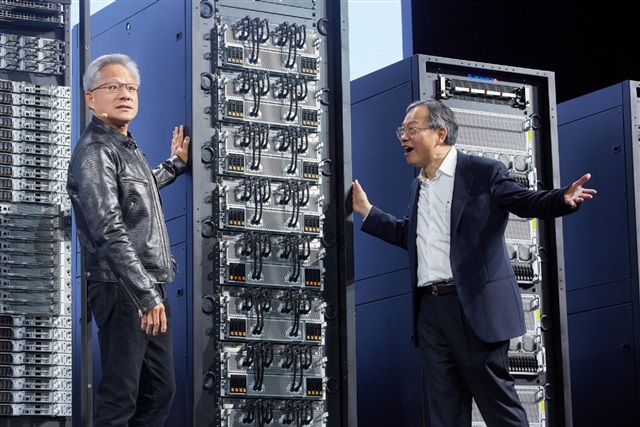
Nvidia ha deciso di alzare ulteriormente la guardia sui server destinati all'intelligenza artificiale. La stretta, secondo quanto riportato da DIGITIMES, arriva mentre Supermicro è al centro di indagini per presunte operazioni di contrabbando. Un dettaglio che potrebbe sembrare confinato alle pagine giudiziarie, ma che in realtà tocca da vicino chiunque stia costruendo stack di inference e training in sede.
Il contesto è quello dei controlli sulle esportazioni di tecnicie avanzate imposti dagli Stati Uniti, un mosaico normativo che ha trasformato le GPU di fascia alta e i nodi di calcolo in asset strategici. Negli ultimi mesi diversi vendor hanno dovuto rivedere le proprie procedure di distribuzione per evitare che l'hardware finisse in mani non autorizzate. Il caso Supermicro aggiunge un tassello ulteriore: non si tratta solo di tracciare le schede, ma di verificare l'integrità dell'intera catena logistica, dal fornitore di schede al system integrator fino al cliente finale.
Perché la faccenda interessa i deployment on-premise
Chi gestisce ambienti self-hosted sa bene che l'acquisto di un server AI non è un semplice ordine a catalogo. La configurazione richiede nodi certificati, spesso con GPU di ultima generazione, interconnessioni NVLink e configurazioni di rete ad alta velocità. Ogni ritardo nella fornitura o ogni incertezza sulla legittimità del canale può bloccare progetti che hanno finestre temporali ristrette e budget vincolati.
Il rafforzamento dei controlli annunciato da Nvidia non va interpretato solo come una reazione difensiva. È un segnale di mercato: d'ora in poi la verifica dell'hardware sarà più invasiva, con possibili tempi aggiuntivi per le certificazioni di fine utenza e la tracciabilità dei lotti. Per un'azienda che intende far girare LLM su bare metal, con dati sensibili mai esposti a cloud esterni, la sicurezza della filiera diventa cruciale quanto la capienza della VRAM o la latenza di inference.
Il nodo della sovranità e della conformità
Non è un tema che tocca solo le grandi corporation. Anche le realtà medie che operano in settori regolamentati – manifatturiero, sanitario, finanziario – iniziano a valutare server AI on-premise per addestrare modelli su dati proprietari. In questi scenari, il semplice sospetto che un componente provenga da canali non tracciati può esporre a rischi legali e reputazionali. Le normative europee sulla protezione dei dati, insieme alle direttive sulla sicurezza delle infrastrutture critiche, spingono verso un ecosistema in cui l'hardware deve essere verificabile dalla fonderia fino al rack.
Supermicio è un esempio emblematico. L'azienda produce sistemi ad alta densità che spesso finiscono in cluster di calcolo per il training di modelli linguistici di grandi dimensioni. Se le indagini dovessero confermare alterazioni nella documentazione di export, il danno per i clienti finali non sarebbe solo operativo: metterebbe in discussione la fiducia nell'intera piattaforma. Per questo Nvidia, che di fatto è il fornitore primario delle GPU installate in quei server, ha scelto di irrigidire i propri audit.
L'impatto sulle valutazioni di TCO e sulla disponibilità
Nel breve periodo chi pianifica l'acquisto di macchine per LLM deve mettere in conto iter di approvazione più lunghi. Non si tratta solo di attendere la consegna del ferro: si aggiungono passaggi di due diligence sul rivenditore e sulla conformità del prodotto alle normative internazionali. Questo può spostare gli equilibri del Total Cost of Ownership, soprattutto se il progetto ha necessità di scalare rapidamente. In uno scenario in cui l'alternativa cloud appare più immediata, la scelta di restare on-premise si gioca sulla capacità di assicurarsi hardware affidabile e certificato senza imprevisti.
D'altra parte, la tensione attuale potrebbe accelerare la maturazione di filiere regionali alternative o la richiesta di trasparenza da parte dei system integrator europei. Già oggi alcune realtà propongono nodi progettati e assemblati interamente in territorio UE, con documentazione completa sulla provenienza di ogni componente. È un trend che AI-RADAR monitora costantemente, offrendo ai decisori strumenti per confrontare approcci cloud e locali in base ai requisiti di compliance e latenza.
La vicenda Supermicro-Nvidia rappresenta un punto di svolta non solo per la geopolitica dei semiconduttori, ma per tutti coloro che considerano l'hardware come il primo mattone della propria strategia di AI sovrana. Ignorare la provenienza del silicio potrebbe costare caro, non solo in termini di multe, ma di credibilità dell'intera infrastruttura.





💬 Commenti (0)
🔒 Accedi o registrati per commentare gli articoli.
Nessun commento ancora. Sii il primo a commentare!