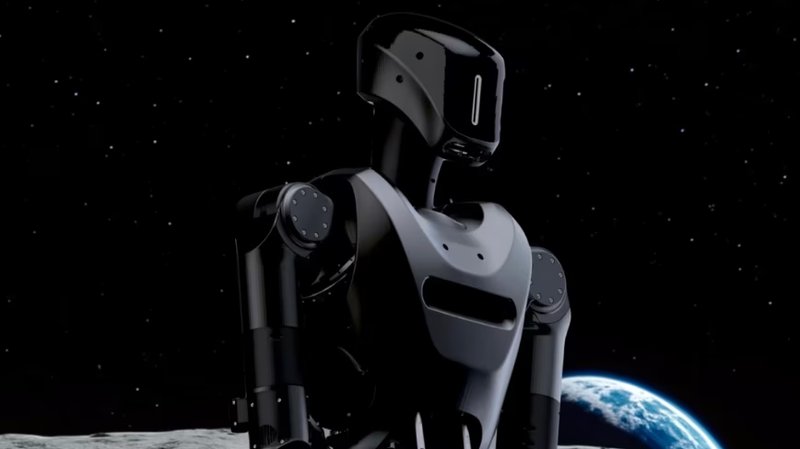
The University of California, Berkeley, has unveiled SuperMimic, a new approach poised to revolutionize humanoid robot training, particularly concerning motion tracking. The research demonstrates a striking capability: training a humanoid motion tracker in just three hours, utilizing a single GPU. This result is not only rapid but directly contrasts with a baseline system, named SONIC, which required 128 GPUs and an entire week of processing to achieve equivalent performance. The difference in efficiency is staggering, amounting to a 7,168-fold improvement.
This innovation holds profound implications for the artificial intelligence landscape, especially for organizations evaluating on-premise deployment strategies. Traditionally, training complex models, such as those for advanced robotics, has demanded massive investments in hardware infrastructure and computational resources, often accessible only through large cloud providers. SuperMimic's ability to achieve comparable results with an infinitesimal fraction of those resources radically shifts the balance.
The Impact on TCO and Data Sovereignty
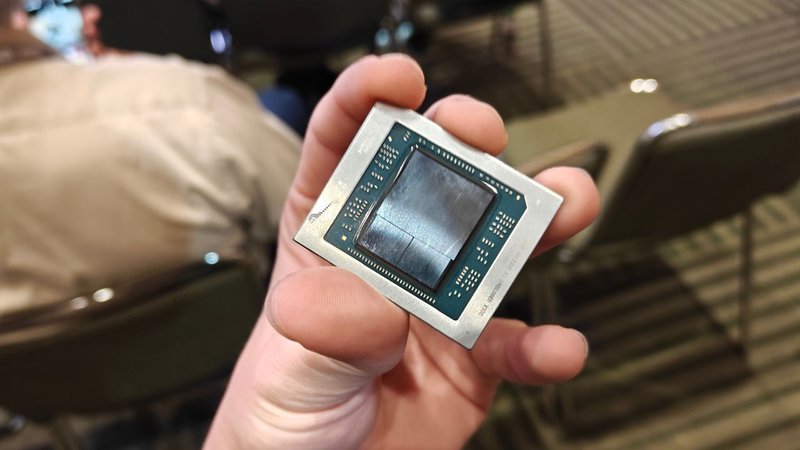
The 7,168-fold reduction in computational requirements doesn't merely translate to fewer GPUs. It directly impacts the overall Total Cost of Ownership (TCO). Fewer GPUs mean lower acquisition costs (CapEx), but also drastically reduced energy consumption, less cooling demand, and a smaller physical footprint in data centers. This makes the training of sophisticated models economically viable for a much wider range of businesses, including those with more modest IT budgets or the need to keep AI workloads within their own infrastructural boundaries.
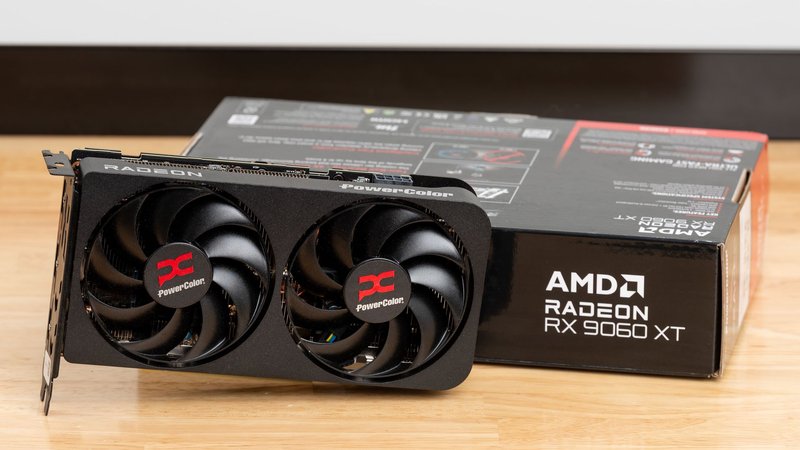
For CTOs, DevOps leads, and infrastructure architects, UC Berkeley's research signals a crucial opportunity. The possibility of training complex AI models on local hardware, potentially even on a single high-performance workstation, strengthens the case for self-hosted deployment. This is particularly relevant for sectors operating under stringent data sovereignty and compliance regulations, where the imperative to keep data and training processes within air-gapped or strictly controlled environments is paramount.
The efficiency demonstrated by SuperMimic suggests a structural trend in AI: not just the race for ever-larger models, but also a significant push towards more optimized algorithms and Frameworks. This could lead to a "democratization" of advanced AI, making high-level training capabilities accessible to a more diverse ecosystem of developers and enterprises, reducing reliance on cloud giants for every phase of the AI lifecycle. For those evaluating the trade-offs between cloud and on-premise, developments like SuperMimic offer new arguments to seriously consider local solutions, leveraging analytical frameworks for TCO evaluation available on platforms like AI-RADAR.







💬 Comments (0)
🔒 Log in or register to comment on articles.
No comments yet. Be the first to comment!