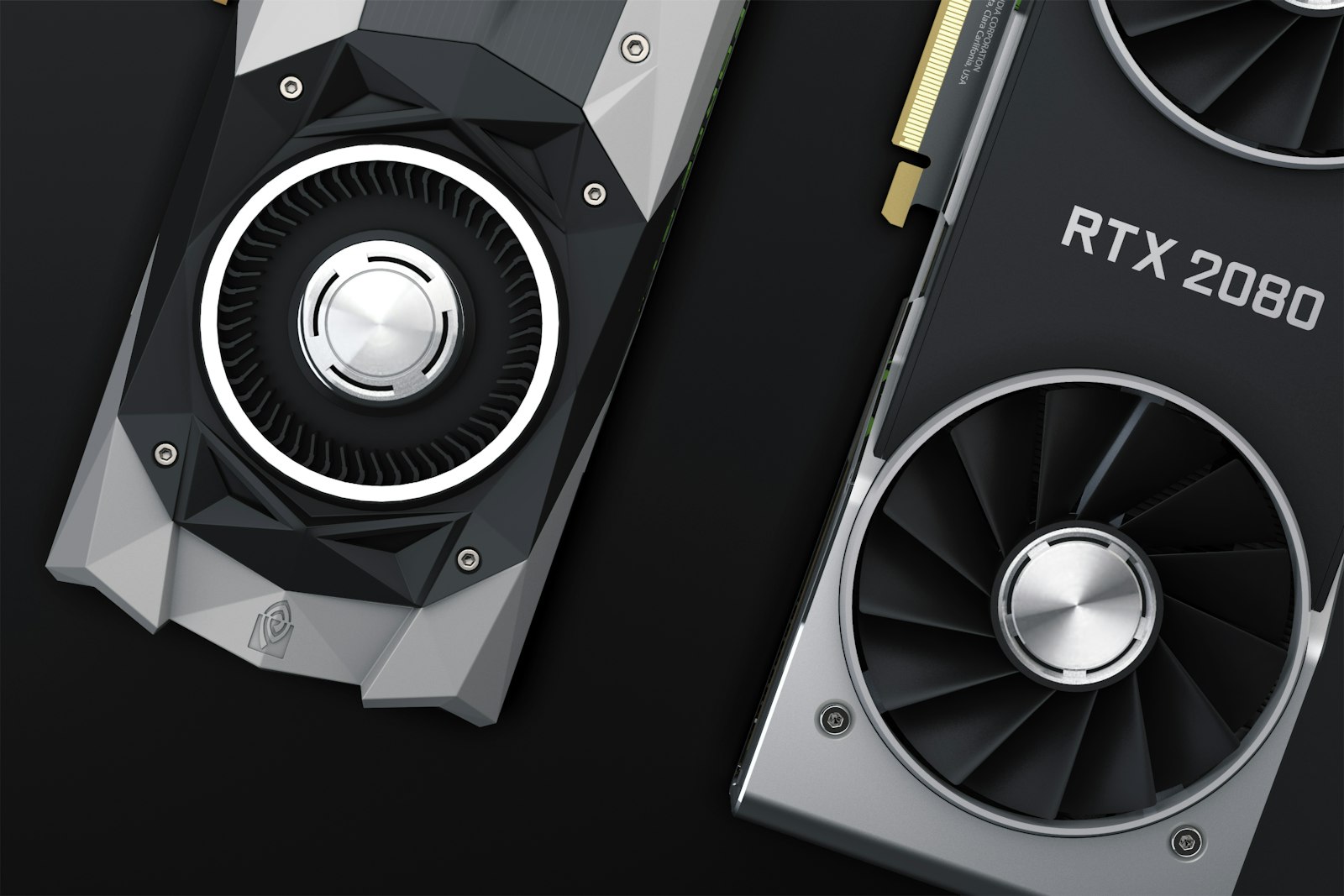
Taiwan affronta i colli di bottiglia nel testing CPO per i data center AI
Taiwan, hub globale per la produzione di semiconduttori, sta intensificando i propri sforzi per superare le sfide legate al testing delle soluzioni Co-Packaged Optics (CPO). L'obiettivo primario è accelerare la scalabilità della tecnicia Silicio Photonics (SiPh) all'interno dei data center di nuova generazione, in particolare quelli dedicati ai carichi di lavoro di intelligenza artificiale. Questa iniziativa è fondamentale per garantire che l'infrastruttura necessaria per l'addestramento e l'Inference di Large Language Models (LLM) possa evolvere in modo efficiente e sostenibile.
La crescente domanda di potenza di calcolo e di Throughput dati per l'AI ha messo in evidenza i limiti delle interconnessioni tradizionali. I colli di bottiglia nel testing dei componenti CPO e SiPh rappresentano un ostacolo significativo alla produzione di massa e all'adozione diffusa di queste tecnicie, che sono considerate cruciali per il futuro dei data center ad alte prestazioni.
Il Ruolo Cruciale di CPO e Silicio Photonics nell'AI
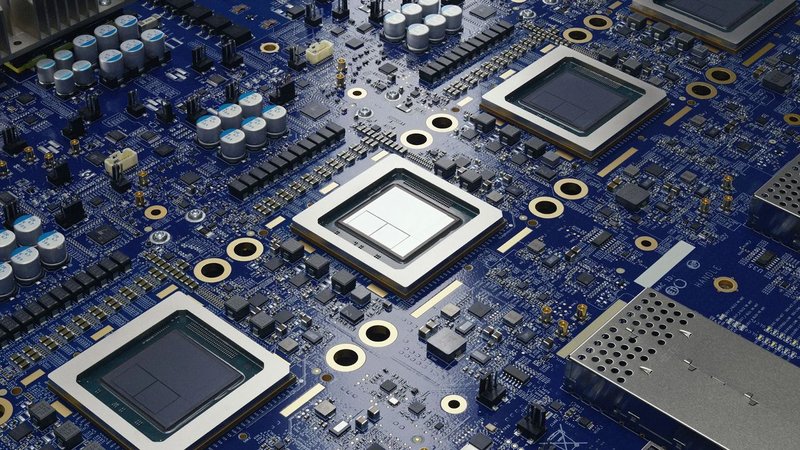
Le soluzioni Co-Packaged Optics (CPO) integrano i transceiver ottici direttamente nello stesso package del chip di elaborazione, come le GPU o gli acceleratori AI. Questo approccio riduce drasticamente la distanza che i segnali elettrici devono percorrere, minimizzando la perdita di energia e aumentando la densità di banda rispetto ai moduli ottici pluggable tradizionali. La Silicio Photonics (SiPh), d'altra parte, sfrutta il silicio come mezzo per la trasmissione di dati tramite luce, offrendo una larghezza di banda elevatissima, un consumo energetico ridotto e la compatibilità con i processi di produzione del silicio esistenti.
Per i data center AI, dove il movimento di terabyte di dati tra GPU, memoria e storage è una costante, queste tecnicie sono essenziali. Permettono di superare i limiti di banda e di latenza delle interconnessioni elettriche, che altrimenti diventerebbero un fattore limitante per le prestazioni e l'efficienza energetica dei sistemi di AI più avanzati.
Le Sfide del Testing e le Implicazioni per l'On-Premise
Il testing delle soluzioni CPO e Silicio Photonics è intrinsecamente complesso. Richiede la verifica simultanea di funzionalità elettriche e ottiche, spesso con precisioni nanometriche e metodologie completamente nuove rispetto ai test dei chip tradizionali. Questi processi di testing devono essere non solo accurati, ma anche rapidi ed economici per consentire la produzione su larga scala. I colli di bottiglia in questa fase possono ritardare l'introduzione sul mercato di hardware critico e aumentarne i costi.
Per le organizzazioni che valutano Deployment on-premise di infrastrutture AI, la disponibilità e l'affidabilità di queste tecnicie sono di primaria importanza. Un testing efficiente si traduce in componenti più affidabili e in una supply chain più robusta, elementi chiave per il controllo del Total Cost of Ownership (TCO) e per garantire la sovranità dei dati in ambienti self-hosted. La capacità di Taiwan di risolvere queste sfide avrà un impatto diretto sulla capacità delle aziende di costruire e mantenere data center AI performanti e a basso consumo energetico.
Prospettive Future e Impatto sull'Framework AI
Il superamento dei colli di bottiglia nel testing CPO e SiPh non solo faciliterà la produzione di massa, ma spianerà anche la strada a innovazioni future nell'architettura dei data center. Una maggiore integrazione ottica permetterà di progettare sistemi con densità di calcolo e di memoria ancora più elevate, riducendo al contempo l'ingombro fisico e i requisiti di raffreddamento. Questo è particolarmente rilevante per gli ambienti on-premise, dove lo spazio e l'energia sono risorse spesso limitate.
Mentre il settore continua a spingere i limiti delle capacità di calcolo per l'AI, l'attenzione si sposta sempre più sull'efficienza del trasferimento dati. Le iniziative come quella di Taiwan sono cruciali per sbloccare il pieno potenziale delle prossime generazioni di acceleratori AI. Per chi valuta i trade-off tra Deployment on-premise e soluzioni cloud per i carichi di lavoro LLM, comprendere l'evoluzione di queste tecnicie hardware è fondamentale per prendere decisioni informate sul TCO e sulle performance a lungo termine. AI-RADAR offre framework analitici su /llm-onpremise per valutare questi complessi trade-off.




💬 Commenti (0)
🔒 Accedi o registrati per commentare gli articoli.
Nessun commento ancora. Sii il primo a commentare!