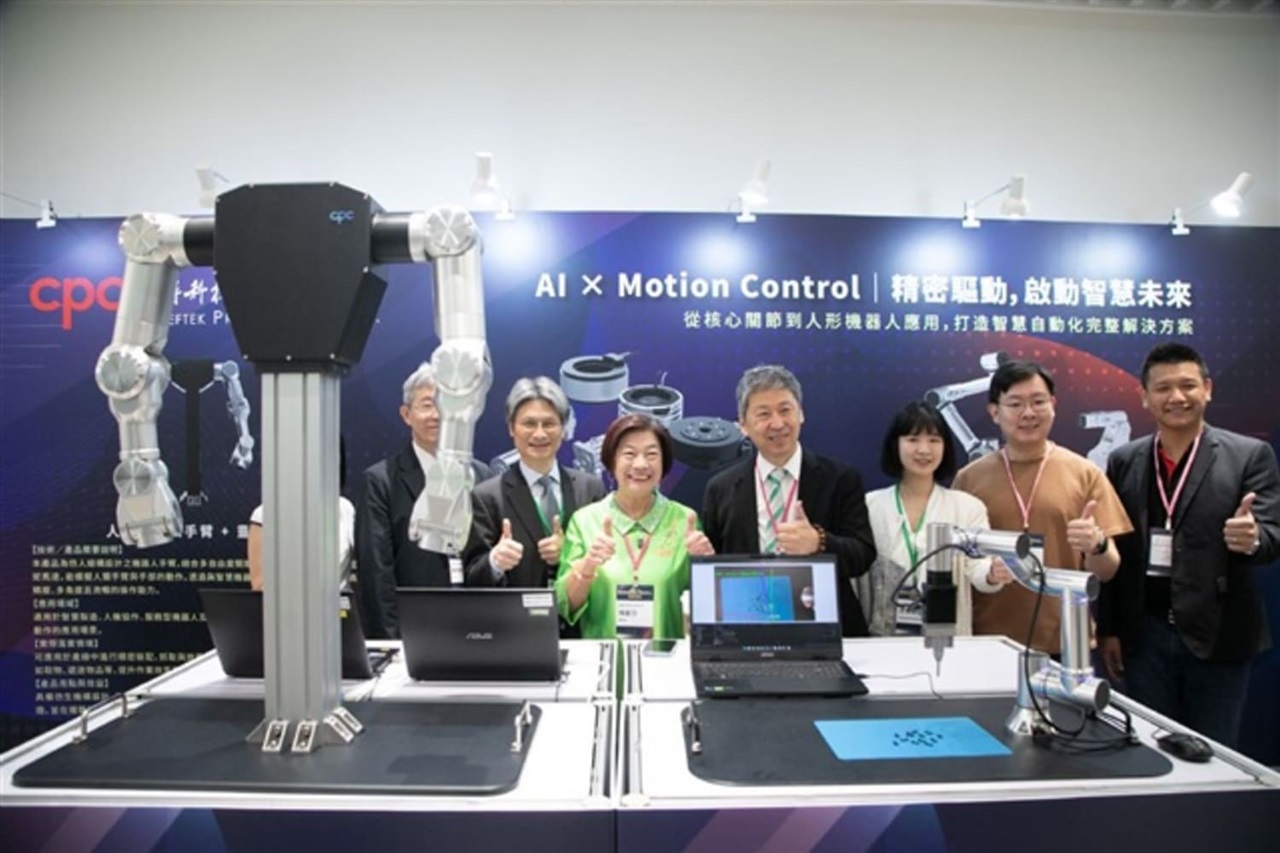
Taiwan and Japan's Strategic Role in Humanoid Robotics
Taiwan and Japan have established themselves as leading players in the market for transmission components critical to humanoid robots. This leadership is not merely an indicator of manufacturing excellence but also underscores the increasing importance of a robust and specialized supply chain for the development and deployment of advanced robotic technologies. In an era where artificial intelligence and Large Language Models (LLMs) are redefining the capabilities of autonomous systems, the availability of high-quality physical hardware remains a critical factor for their practical realization.
The ability to produce precise and reliable transmission components is fundamental to the functionality of humanoid robots. These elements, which include gears, actuators, and motion systems, are the mechanical heart that enables robots to interact with the physical world, perform complex movements, and operate with the precision required by industrial and service applications. Without a solid hardware foundation, even the most sophisticated AI algorithms could not translate into effective and reliable actions.
The Mechanical Core of Artificial Intelligence
While much of the attention in the AI sector focuses on the development of software models and algorithms, the ultimate performance of a robotic system is intrinsically dependent on the quality and reliability of its physical components. Transmission components are responsible for converting electrical energy into mechanical motion, ensuring the fluidity, strength, and precision necessary for tasks ranging from delicate manipulation to heavy industrial assembly. Their design and production require advanced engineering expertise and precision manufacturing processes.
For humanoid robots, which aim to replicate the complexity of human movement, the quality of these components is even more critical. They must support a wide range of movements, withstand high loads, and operate with minimal wear to ensure a long operational life. This reliance on specialized hardware highlights a fundamental trade-off: software innovation must always be accompanied by parallel evolution in hardware to unlock the full potential of AI applications in the physical world.
Implications for the Supply Chain and Edge Deployments
The concentration of leadership in the production of these key components in Taiwan and Japan creates significant implications for the global robotics supply chain. Companies planning large-scale deployments of humanoid robots, particularly in industrial or air-gapped contexts where data sovereignty and infrastructure control are paramount, must carefully consider the resilience and diversification of their hardware supply chain. Dependence on a limited number of suppliers can introduce risks related to production disruptions or price fluctuations.
For decision-makers evaluating self-hosted or edge AI solutions, the availability and TCO of physical components are as important as those of GPUs or servers. Humanoid robots, often designed to operate in distributed or remote environments, represent a prime example of edge AI deployment. In these scenarios, hardware robustness, energy efficiency, and ease of maintenance contribute significantly to the overall Total Cost of Ownership (TCO). For those evaluating on-premise deployments of AI workloads, AI-RADAR offers analytical frameworks on /llm-onpremise to assess the trade-offs between different architectures and vendors.
Future Prospects: Robotics, AI, and Technological Sovereignty
The increasingly deep integration of LLMs and other forms of artificial intelligence into humanoid robots promises to revolutionize sectors such as manufacturing, logistics, and assistance. However, the realization of this vision will depend not only on advances in software but also on the continuous innovation and availability of high-quality physical hardware. Taiwan and Japan's ability to maintain their leadership in transmission components will be a key factor in the speed and scale of adoption of these technologies.
In a context of growing attention to technological sovereignty, control over the production of critical components takes on strategic importance. For organizations seeking to maintain full control over their assets and data, even at a physical level, understanding and managing the hardware supply chain becomes essential. This includes evaluating options for local production or diversifying suppliers to mitigate risks and ensure operational autonomy in an increasingly robotic and AI-driven future.






💬 Comments (0)
🔒 Log in or register to comment on articles.
No comments yet. Be the first to comment!