
A New Tech Hub in Georgia
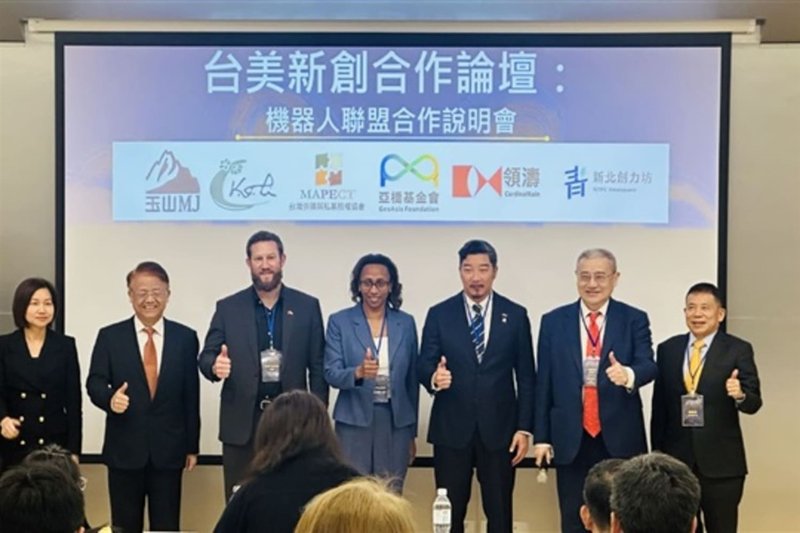
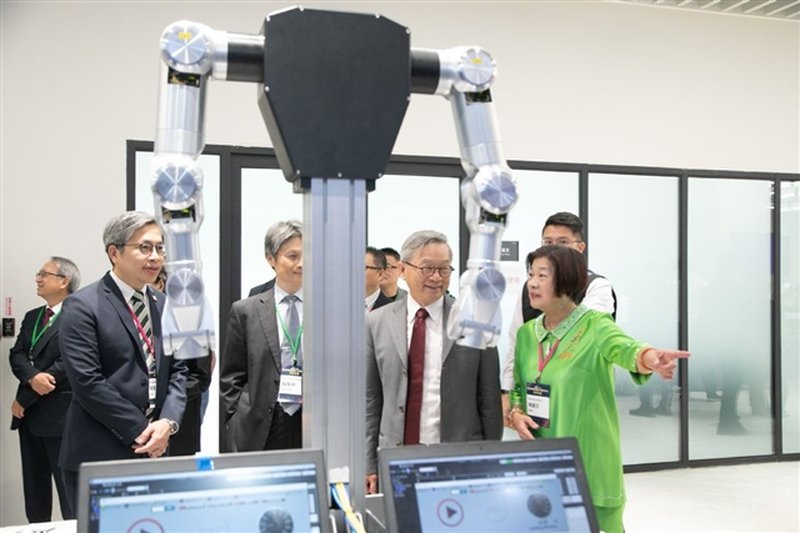
Taiwan is taking a significant strategic step to expand its technological influence in the United States, announcing the construction of a dedicated robotics hub in the state of Georgia. This initiative, reported by DIGITIMES, signals a clear intention to deepen technological ties with the US, moving beyond the established semiconductor sector where Taiwan holds a global leadership position. The move reflects a strategy of diversification and strengthening partnerships in emerging, high-value-added sectors.
The choice of robotics is not accidental. This field represents one of the most dynamic and complex applications of artificial intelligence, where the integration of Large Language Models (LLMs) can play a crucial role in human-machine interaction, task planning, and intelligent automation. A hub of this type will serve as a center for research, development, and production, laying the groundwork for future innovations that will require advanced and specific computational infrastructures.
The Importance of AI and On-Premise Deployment in Robotics
Robotic applications, especially in industrial or critical contexts, present stringent requirements in terms of latency, reliability, and security. For these reasons, the deployment of AI and LLM solutions in self-hosted or air-gapped environments is often preferred over cloud alternatives. A robotics hub, by its nature, will require a robust and locally controlled infrastructure, capable of handling intensive workloads for inference and, potentially, the fine-tuning of AI models.
The need to process data in real-time, ensure the sovereignty of operational data, and maintain full control over hardware and software makes on-premise solutions particularly attractive. This approach mitigates risks related to network connectivity, regulatory compliance, and cybersecurity, which are fundamental aspects when dealing with robotic systems that interact with the physical world. For those evaluating on-premise deployment, there are significant trade-offs between initial costs (CapEx) and operational costs (OpEx), as well as considerations regarding infrastructure management, which AI-RADAR explores in detail at /llm-onpremise.
Beyond Semiconductors: A Diversification Strategy
Taiwan's decision to invest in a robotics hub in Georgia underscores a broader strategy of economic and technological diversification. While the island remains an irreplaceable pillar in the global semiconductor supply chain, expanding into sectors like robotics and AI represents a way to strengthen its position as a leader in 360-degree technological innovation. This move can also be interpreted as an attempt to balance geopolitical risks and consolidate relationships with strategic partners such as the United States.
From a Total Cost of Ownership (TCO) perspective, building a physical infrastructure like a hub involves a considerable initial investment. However, for long-term projects requiring granular control over hardware, software, and data, a self-hosted deployment can offer significant advantages in terms of long-term operational costs and flexibility. The ability to customize the technology stack, from bare metal hardware to software frameworks, becomes an enabling factor for rapid innovation and intellectual property protection.
Future Prospects for Innovation and Sovereignty
The opening of a robotics hub in Georgia is not just a geographical expansion but an investment in the future of automation and artificial intelligence. This center could become a catalyst for the development of new generations of intelligent robots, capable of operating in complex environments and interacting more naturally with humans. Proximity to the US market and collaboration with local institutions could accelerate the adoption of these technologies.
In an era where data sovereignty and infrastructure security are absolute priorities for businesses and governments, the on-premise approach for critical AI workloads, such as those in robotics, is emerging as a strategic choice. This hub represents a concrete example of how nations are investing in local capabilities to ensure control, resilience, and continuous innovation, independent of external cloud services, especially for technologies that define the industrial future.





💬 Comments (0)
🔒 Log in or register to comment on articles.
No comments yet. Be the first to comment!