Tata Electronics e ASML: un polo per i chip in India da 11 miliardi di dollari
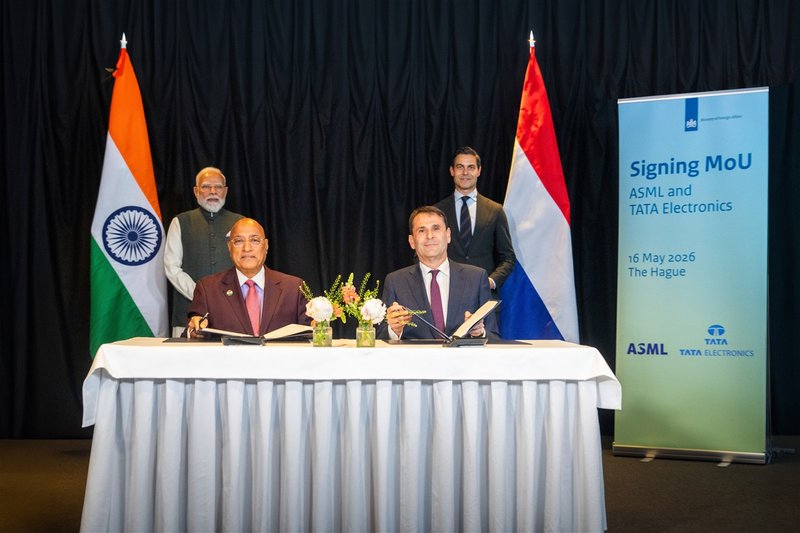
Tata Electronics ha annunciato un investimento significativo per la costruzione di un nuovo impianto di produzione di semiconduttori in India. L'iniziativa, che prevede un esborso di 11 miliardi di dollari, sarà realizzata a Dholera, e vedrà la collaborazione con ASML, fornitore chiave di attrezzature per la fabbricazione di chip. Questo progetto segna un passo importante per l'India nell'ambizione di rafforzare la propria autonomia nel settore strategico dei semiconduttori.
La creazione di un polo produttivo di questa portata è cruciale per l'ecosistema tecnicico globale. I semiconduttori sono il cuore pulsante di ogni dispositivo moderno, dai server che alimentano i Large Language Models (LLM) ai sistemi embedded per l'edge computing. La dipendenza da un numero limitato di fornitori e regioni ha evidenziato vulnerabilità nella supply chain globale, spingendo molti paesi a investire nella produzione locale.
Il Contesto della Produzione di Semiconduttori
La fabbricazione di chip è un processo estremamente complesso e ad alta intensità di capitale, che richiede tecnicie all'avanguardia e competenze specialistiche. Aziende come ASML sono fondamentali in questo ecosistema, fornendo macchinari di litografia avanzatissimi, indispensabili per incidere circuiti sempre più piccoli e potenti sui wafer di silicio. L'investimento di Tata Electronics sottolinea la volontà di Delhi di ridurre la propria vulnerabilità e di posizionarsi come attore rilevante nella catena di valore dei semiconduttori.
Questo tipo di investimento ha implicazioni a lungo termine per l'intera industria tecnicica. Una maggiore capacità produttiva globale può contribuire a stabilizzare i prezzi, migliorare la disponibilità di componenti e ridurre i tempi di consegna per una vasta gamma di prodotti, inclusi quelli necessari per l'infrastruttura AI. La diversificazione geografica della produzione è un obiettivo strategico per molte nazioni, volto a mitigare i rischi geopolitici e le interruzioni della supply chain.
Implicazioni per l'Ecosistema AI e i Deployment On-Premise
Per le aziende che valutano il deployment di LLM e carichi di lavoro AI in ambienti on-premise, la disponibilità e il costo dell'hardware sono fattori determinanti. Un aumento della produzione di semiconduttori, specialmente di chip avanzati, può tradursi in una migliore accessibilità a GPU con elevate quantità di VRAM e capacità di calcolo, essenziali per l'inference e il training di modelli complessi. Questo può influenzare direttamente il Total Cost of Ownership (TCO) delle infrastrutture self-hosted, rendendole potenzialmente più competitive rispetto alle soluzioni cloud.
La possibilità di accedere a un'offerta più ampia di hardware specifico per l'AI supporta le strategie di sovranità dei dati e di controllo. Le organizzazioni che operano in settori regolamentati o che gestiscono dati sensibili spesso preferiscono mantenere i propri stack AI all'interno dei propri data center air-gapped o self-hosted. Una supply chain di semiconduttori più robusta e diversificata può facilitare queste scelte, garantendo che l'hardware necessario sia disponibile senza dipendere eccessivamente da fornitori esterni o da catene di approvvigionamento concentrate in poche aree geografiche. Per chi valuta deployment on-premise, esistono trade-off significativi tra CapEx iniziale e OpEx a lungo termine, e la disponibilità di hardware è un fattore chiave in questa analisi.
Prospettive Future e Sfide
L'iniziativa di Tata Electronics e ASML rappresenta un passo ambizioso per l'India, ma il percorso verso una produzione di semiconduttori su larga scala è irto di sfide. La costruzione e l'avvio di un impianto di fabbricazione richiedono anni, ingenti investimenti continui in ricerca e sviluppo, e l'attrazione di talenti altamente specializzati. La capacità di integrare queste nuove fabbriche nella complessa rete globale di produzione e distribuzione sarà fondamentale per il loro successo.
Tuttavia, il potenziale impatto è enorme. Un'India più forte nella produzione di chip potrebbe non solo soddisfare la domanda interna, ma anche diventare un esportatore significativo, influenzando l'equilibrio globale del settore. Questo rafforzerebbe la resilienza della supply chain mondiale e offrirebbe nuove opportunità per l'innovazione, specialmente in settori emergenti come l'intelligenza artificiale e l'Internet of Things, dove la domanda di silicio avanzato è in costante crescita.






💬 Commenti (0)
🔒 Accedi o registrati per commentare gli articoli.
Nessun commento ancora. Sii il primo a commentare!