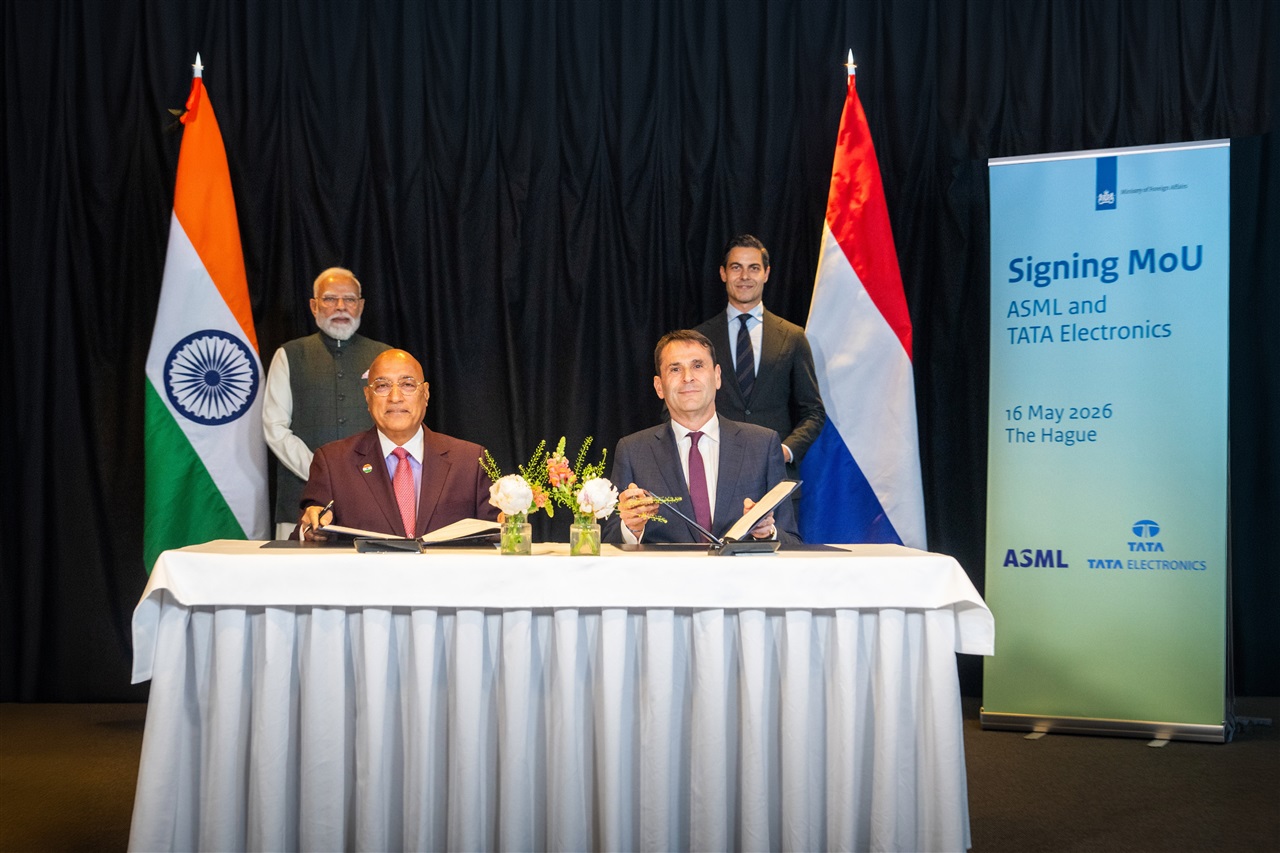
Tata Electronics e ASML: una partnership strategica per la produzione di chip in India
Tata Electronics, una delle principali realtà industriali indiane, ha annunciato una collaborazione strategica con ASML, azienda olandese leader mondiale nella produzione di sistemi per la litografia. L'obiettivo di questa partnership è supportare l'avvio e l'espansione del primo impianto di produzione di wafer da 300mm di Tata Electronics in India. Questa mossa rappresenta un passo significativo per l'India nel rafforzamento della sua filiera di semiconduttori, un settore cruciale per l'innovazione tecnicica globale e per la disponibilità di hardware avanzato.
La litografia, cuore della produzione di chip, è un campo in cui ASML detiene una posizione dominante, fornendo le macchine essenziali che permettono di stampare circuiti sempre più complessi su wafer di silicio. La scelta di Tata Electronics di affidarsi all'esperienza di ASML sottolinea l'ambizione dell'India di costruire una capacità produttiva di semiconduttori all'avanguardia, fondamentale per ridurre la dipendenza da catene di approvvigionamento esterne e per sostenere la crescita di settori ad alta tecnicia, inclusa l'intelligenza artificiale.
Il Contesto Tecnologico e Strategico della Produzione di Semiconduttori
La costruzione e l'operatività di un impianto di produzione di semiconduttori, o "fab", sono processi estremamente complessi e ad alta intensità di capitale. I wafer da 300mm sono lo standard attuale per la produzione di chip avanzati, inclusi quelli che alimentano le GPU e altri acceleratori essenziali per i carichi di lavoro di Large Language Models (LLM) e l'inference AI. La capacità di produrre questi componenti localmente può avere un impatto profondo sulla sovranità dei dati e sul Total Cost of Ownership (TCO) per le aziende che scelgono deployment on-premise.
Un'infrastruttura di produzione di chip più robusta e distribuita geograficamente può mitigare i rischi legati a interruzioni della supply chain, come quelle osservate negli ultimi anni. Per le organizzazioni che valutano l'implementazione di LLM on-premise, la disponibilità e il costo dell'hardware, come le GPU con elevata VRAM e throughput, sono fattori determinanti. Una maggiore capacità produttiva globale, supportata da iniziative come quella di Tata Electronics, può contribuire a stabilizzare i prezzi e a ridurre i tempi di consegna, elementi critici per la pianificazione e l'espansione delle infrastrutture AI.
Implicazioni per il Deployment On-Premise di LLM
La disponibilità di silicio avanzato è un prerequisito fondamentale per il deployment efficiente di LLM in ambienti self-hosted. Le aziende che optano per soluzioni on-premise per ragioni di sovranità dei dati, compliance normativa o controllo sui costi operativi, dipendono fortemente dalla capacità di procurarsi hardware specifico. Questo include GPU di ultima generazione, server bare metal e soluzioni di storage ad alte prestazioni, tutti componenti che derivano dalla produzione di semiconduttori.
Una filiera più resiliente e diversificata può tradursi in una maggiore prevedibilità per gli acquisti di capitale (CapEx) e in una migliore gestione del TCO a lungo termine. Per i CTO e gli architetti di infrastruttura, la possibilità di accedere a un flusso costante di componenti critici significa poter pianificare con maggiore certezza l'espansione dei cluster AI, l'aggiornamento delle capacità di training e inference, e la gestione di requisiti specifici come la quantization dei modelli o l'ottimizzazione del throughput. AI-RADAR, ad esempio, offre framework analitici su /llm-onpremise per valutare i trade-off tra diverse strategie di deployment, evidenziando come la disponibilità di hardware sia un fattore chiave.
Prospettive Future e Autonomia Tecnologica
La partnership tra Tata Electronics e ASML non è solo un accordo commerciale, ma un segnale della crescente ambizione dell'India di affermarsi come attore chiave nell'ecosistema globale dei semiconduttori. Costruire una capacità produttiva interna non solo supporta l'economia locale, ma rafforza anche la posizione del paese nella competizione tecnicica globale, contribuendo all'autonomia strategica in un settore vitale.
In un'era in cui l'AI sta ridefinendo interi settori industriali, la capacità di controllare la produzione dei componenti hardware sottostanti diventa un vantaggio competitivo significativo. Questa iniziativa, insieme ad altre simili a livello globale, mira a creare una rete di produzione di semiconduttori più robusta e meno concentrata, a beneficio di tutte le aziende che dipendono da questi componenti, in particolare quelle che investono in infrastrutture AI private e sicure.







💬 Commenti (0)
🔒 Accedi o registrati per commentare gli articoli.
Nessun commento ancora. Sii il primo a commentare!