
Taylor, Texas: From Public Park to Data Center, the AI Infrastructure Debate
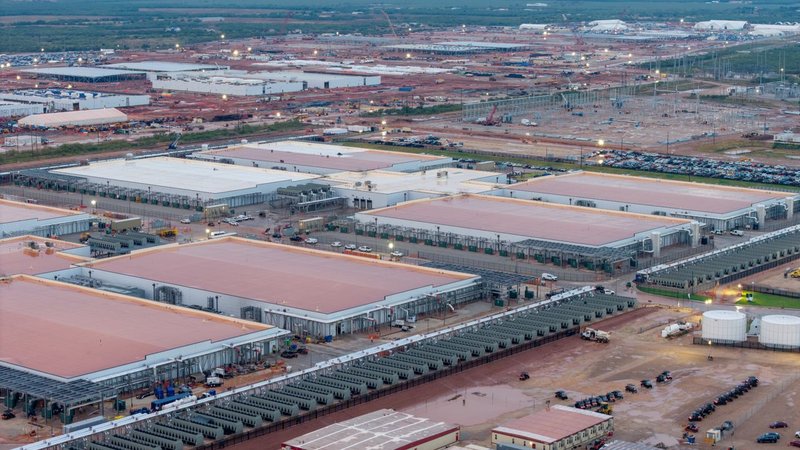
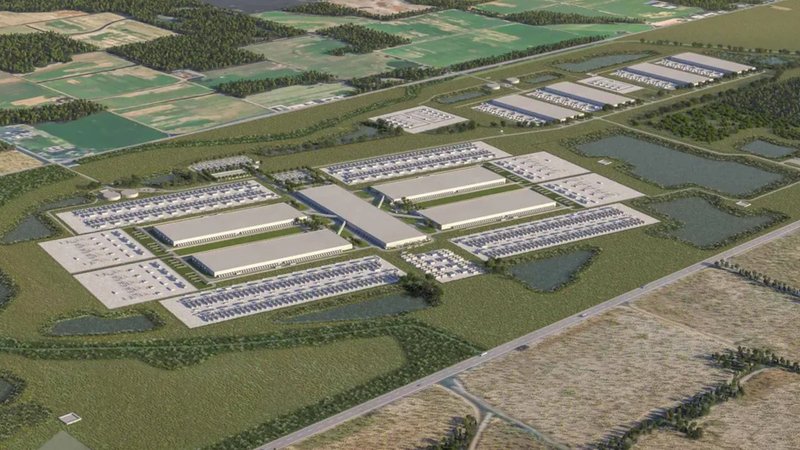
The rapid expansion of artificial intelligence and Large Language Models (LLMs) demands increasingly massive computational infrastructures, with a significant impact on local territories and communities. An emblematic case emerges from Taylor, Texas, where an 87-acre plot of land, donated almost thirty years ago by a farming family with the clear condition that it be designated as a public park, is now at the center of a controversy. The city has indeed sold the area to Blueprint, a data center developer, for $10 million, with the intention of erecting a 135,000 square foot facility there.
This incident highlights the growing tensions between the need to expand computing capabilities and the protection of green spaces and community expectations. For families like Pamela Griffin's, who have used that land for recreational activities for generations, the transformation into a data center, just 500 feet from their home, represents a radical and unexpected change to the local landscape.
The Infrastructural Implications of Data Centers for AI
Data centers are the backbone of the digital age, and particularly of the AI ecosystem. To host intensive workloads such as LLM training and inference, these facilities require enormous amounts of power, advanced cooling systems, and extensive physical space. The decision to build a 135,000 square foot data center in Taylor, Texas, near a power substation and railroad tracks, is not accidental: proximity to reliable power sources and logistical hubs is a critical factor in site selection.
However, the size and nature of these infrastructures also generate significant challenges. The environmental impact, from water consumption for cooling to the carbon footprint, is an increasingly relevant issue. For companies evaluating on-premise LLM deployments, the availability of suitable land, access to sufficient energy, and managing relationships with local communities become central elements in planning the Total Cost of Ownership (TCO) and long-term sustainability.
Data Sovereignty and Local Impact: A Delicate Balance
The Taylor, Texas, case raises issues that go beyond a simple land dispute. Data sovereignty and control over infrastructure are fundamental pillars for many organizations, especially in regulated sectors. The choice of an on-premise deployment is often driven by the need to keep data within specific boundaries, ensuring compliance and security. However, the physical realization of these infrastructures involves a direct interaction with the local social and environmental fabric.
The sale of public land, designated for a park, for a private project of such magnitude, highlights the complexity of development decisions. While the arrival of a data center can bring investment and jobs, it can also alter the character of a community, raising concerns about noise, traffic, and access to public spaces. This balance between technological development and local well-being is a constant challenge for administrations and companies seeking to expand their computational capacity.
The Challenge of Infrastructural Planning in the AI Era
The Taylor, Texas, incident serves as a warning about the need for careful and transparent infrastructural planning in the age of artificial intelligence. The demand for computational resources for LLMs and other AI applications will only grow, making the construction of new data centers a strategic priority. However, how these facilities are integrated into the landscape and communities is equally crucial.
For those evaluating on-premise deployments, the lesson is clear: site selection is not just about hardware specifications or connectivity, but also about the socio-environmental context. Considerations such as the availability of renewable energy, the impact on water consumption, and community involvement are integral to a responsible and sustainable deployment strategy. AI-RADAR offers analytical frameworks on /llm-onpremise to evaluate these complex trade-offs, emphasizing how successful planning requires a holistic vision that extends beyond mere technical aspects.







💬 Comments (0)
🔒 Log in or register to comment on articles.
No comments yet. Be the first to comment!