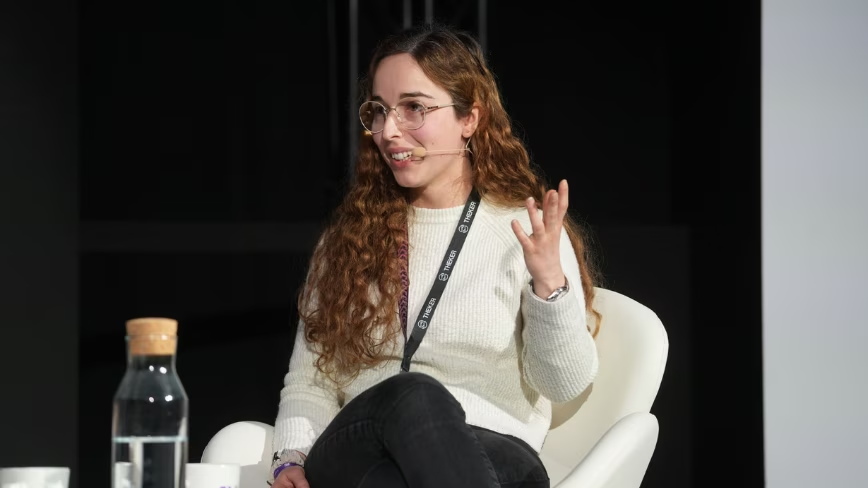
THEKER: €73 Million for AI Industrial Robots That Learn On The Job
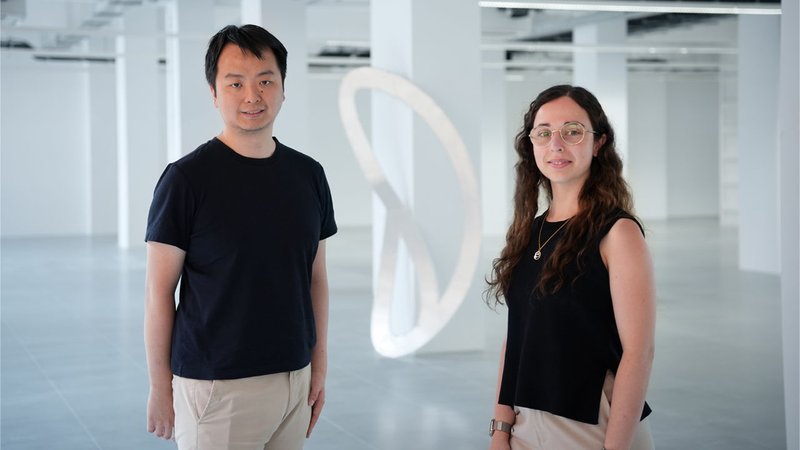
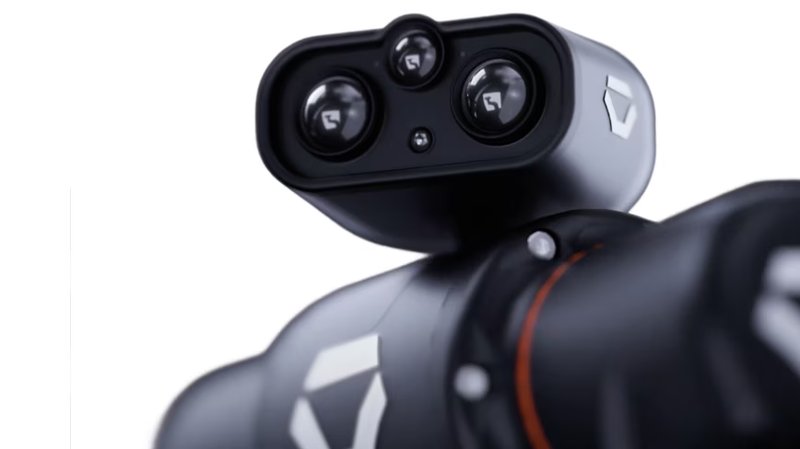
THEKER, the Barcelona-based robotics company, has announced the closing of a Series A funding round totaling €73 million. This significant investment is earmarked to support the expansion of its "generalist" robots into industrial production environments. A key feature of these systems is their ability to learn directly on the job, promising a new paradigm for factory automation.
The round was led by CRV, with participation from a consortium of high-profile investors including Samsung, LVMH, Cathay Innovation, 20VC, Henkel Ventures, Korelya, and Bright Pixel Capital. Samsung's investment, in particular, marks its first foray into the Spanish startup landscape, underscoring the growing interest of tech giants in AI-powered automation solutions.
THEKER's Vision and Technological Implications
The promise of "generalist" industrial robots that learn on the job represents a potential breakthrough for production efficiency and flexibility. Traditionally, industrial robots are programmed for specific, repetitive tasks. THEKER's systems, however, aim to overcome this limitation by adapting to new assignments and environments without the need for extensive reprogramming. This continuous learning capability implies the use of advanced artificial intelligence models, which require robust computational infrastructure for Inference and, potentially, for local Fine-tuning.
For companies considering the Deployment of such technologies, several critical considerations emerge. The need to process large volumes of data generated by robot sensors in real-time, combined with the requirement for low latency for operational decisions, drives towards distributed or on-premise computing solutions. This approach ensures not only data sovereignty but also tighter control over performance and security, which are fundamental aspects in sensitive industrial contexts.
Market Context and Strategic Investors
The capital injection from such a diverse group of investors highlights confidence in THEKER's potential to redefine industrial automation. The presence of Samsung, an electronics and manufacturing giant, and LVMH, a leader in the luxury sector with complex production chains, suggests a strategic interest in solutions that can improve operational efficiency and flexibility in their respective industries.
This trend reflects a broader market shift towards adopting AI-native solutions to address the challenges of modern production, from mass customization to supply chain management. The investment in THEKER fits into a landscape where advanced robotics and artificial intelligence are seen as fundamental levers for maintaining competitiveness and innovating production processes.
Future Prospects and On-Premise Deployment Challenges
THEKER's goal of scaling its robots across industrial production environments implies addressing significant challenges, particularly regarding the Deployment of the underlying AI infrastructure. Implementing systems that learn on the job requires not only advanced robotic hardware but also distributed computing capabilities, often at the "edge" of the network or directly on-premise, to manage Inference and data processing close to the source.
For companies evaluating the adoption of these solutions, the Total Cost of Ownership (TCO) of the AI infrastructure becomes a key factor. This includes not only the initial cost of hardware (such as GPUs with sufficient VRAM for AI models) but also operational expenses for power, cooling, and maintenance. The choice between an on-premise Deployment, which offers greater control and data sovereignty, and cloud solutions, which can provide scalability but with different implications for latency and security, will be crucial. AI-RADAR specifically focuses on analyzing these trade-offs, providing frameworks to evaluate on-premise Deployment decisions for AI/LLM workloads.





💬 Comments (0)
🔒 Log in or register to comment on articles.
No comments yet. Be the first to comment!