
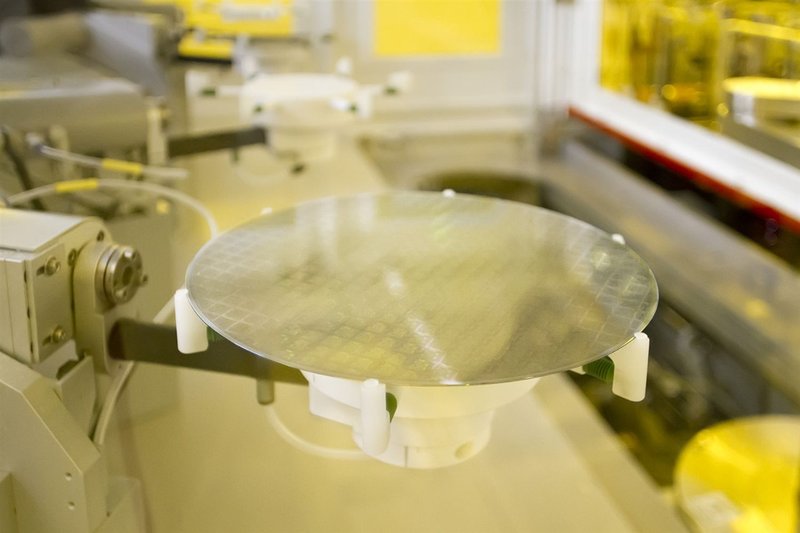
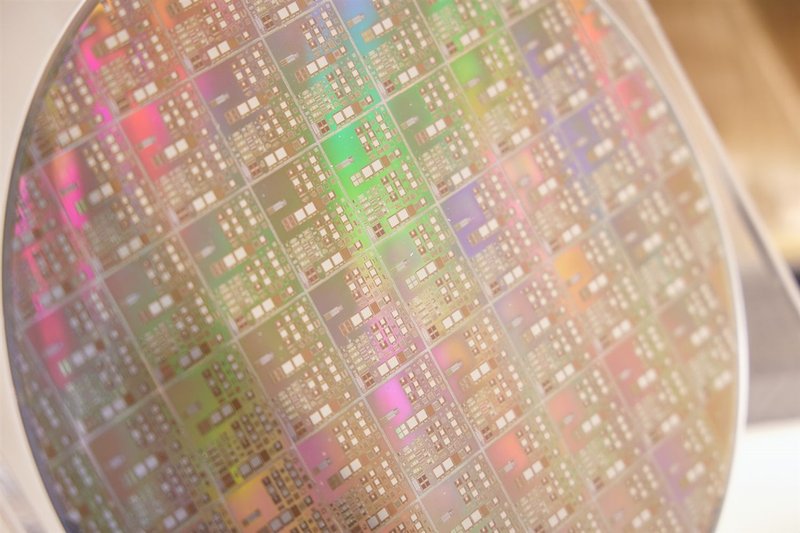
Tower Semiconductor has laid a $3 billion bet on Japan — and Tokyo, in a move that speaks volumes about the country’s industrial priorities, will cover roughly a third of it through state grants. The stated goal is to expand 300mm wafer production for a class of optical components that AI data centers are consuming faster than supply can keep up. This insatiable demand threatens to become the next bottleneck for anyone scaling compute infrastructure — in the cloud or on-premise.
The announcement, made on Tuesday, is light on operational details but clear in its target: a two-track build‑out (two lines or two phases) aimed at churning out optical modules, transceivers, and silicon photonics components critical for the high‑speed interconnects that hold GPU clusters together. Without these parts, the NVLink, InfiniBand, or fiber‑optic links that allow hundreds of accelerators to talk at hundreds of gigabytes per second simply can’t keep pace. And when AI training and inference demand skyrockets, the weak link is no longer just the silicon inside the chips — it’s the capacity to make them talk.
The timing and location are no accident. Tower, the Israeli foundry that remained independent after Intel’s takeover fell through, is picking Japan at a moment when geopolitical tension is reshuffling global supply chains. Tokyo is aggressively funding a domestic semiconductor manufacturing revival, even for components that get less attention than cutting‑edge logic nodes. The logic is blunt: reduce dependency on Taiwan and Korea, and carve out a high‑value niche precisely where cloud and AI are generating unprecedented demand. For Tower, the billion‑dollar public injection lowers financial risk and speeds up time‑to‑market; for Japan, it means anchoring a strategic slice of the AI supply chain on home soil.
Those tracking on‑premise deployment trends should read between the lines. Optical supply shortages don’t hurt only hyperscalers: when components are scarce, big buyers (Amazon, Microsoft, Google) wield purchasing power that leaves crumbs for smaller operators or anyone assembling self‑hosted clusters. If the announced expansion eventually delivers enough volume, it could ease the squeeze and make sizable on‑prem builds more attainable. But the deeper signal is different: enterprises that are serious about data sovereignty and low latency will need to start mapping the origin of optical components, not just GPUs. Japan is positioning itself as a trusted supplier for Europe and for any party seeking alternatives to Asia’s manufacturing concentration.
This isn’t the first time a government has dangled public money to court a foundry, but the game here isn’t measured in transistor nanometers — it’s about the ability to modulate light. It’s a piece of deep infrastructure, often overlooked, on which AI acceleration rests. And if Tower and Tokyo’s wager pays off, it could reshape the power balance in the AI hardware supply chain for years to come.



💬 Comments (0)
🔒 Log in or register to comment on articles.
No comments yet. Be the first to comment!