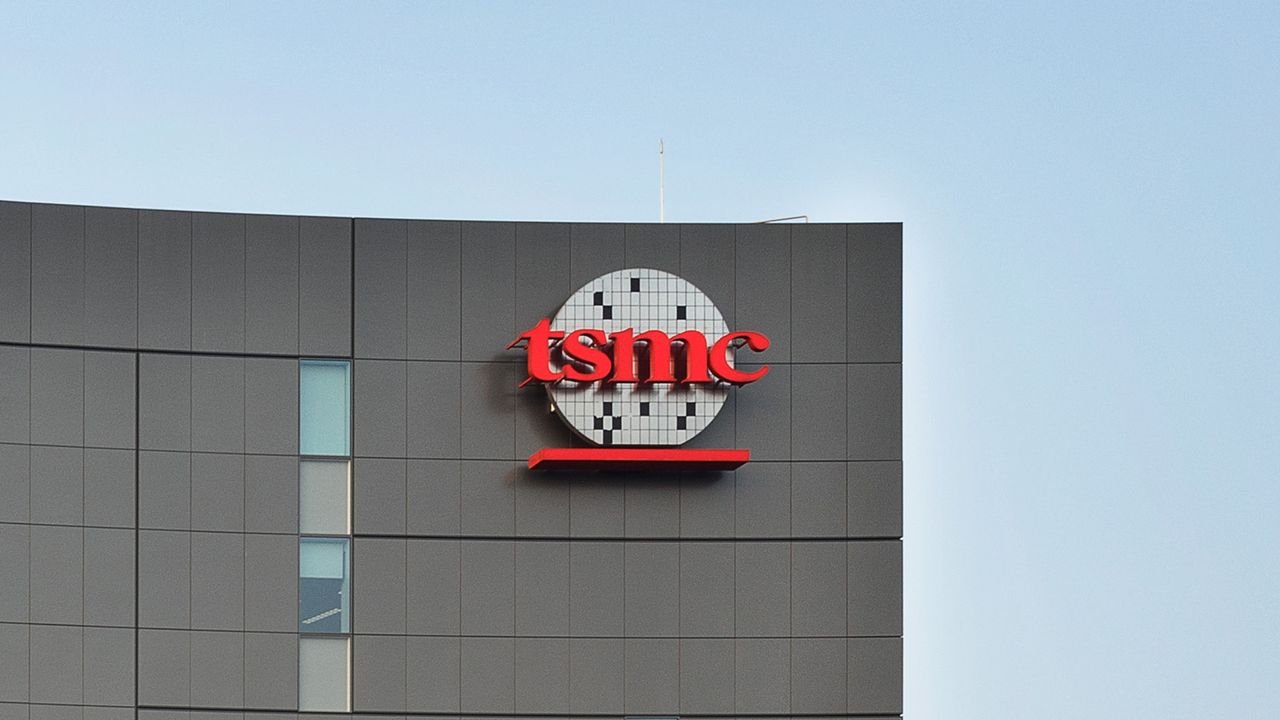
TSMC e la Spinta del Megatrend AI
Taiwan Semiconductor Manufacturing Company (TSMC), il più grande produttore di chip a contratto al mondo, ha annunciato un significativo aumento delle sue previsioni di ricavo e di spesa in conto capitale (CapEx). Questa revisione al rialzo è attribuita principalmente a quello che l'azienda definisce un "megatrend AI" pluriennale, sottolineando la crescente e sostenuta domanda di silicio specializzato per l'intelligenza artificiale.
L'annuncio di TSMC riflette una fiducia robusta nel futuro del settore AI, che continua a espandersi rapidamente, alimentando la necessità di processori sempre più potenti e complessi. La posizione dominante di TSMC nella produzione di chip avanzati la rende un barometro cruciale per la salute e la direzione dell'industria tecnicica globale, in particolare per i settori che dipendono da hardware all'avanguardia per carichi di lavoro intensivi come quelli degli LLM.
Il Ruolo Critico del Silicio AI e le Implicazioni per il Deployment On-Premise
La domanda di chip AI, in particolare GPU e acceleratori personalizzati, è in costante crescita, spinta dall'esigenza di eseguire training e inference di Large Language Models (LLM) con efficienza e a bassa latenza. TSMC è un fornitore chiave per molte delle aziende che progettano questi chip, rendendo le sue capacità produttive e i suoi investimenti in CapEx direttamente correlati alla disponibilità di hardware per il mercato.
Per le aziende che valutano deployment on-premise di soluzioni AI, la disponibilità e il costo del silicio sono fattori determinanti. La capacità di TSMC di aumentare la produzione e investire in nuove fabbriche è fondamentale per soddisfare questa domanda. Un aumento del CapEx suggerisce che l'azienda sta pianificando di espandere le proprie capacità per supportare la crescita futura, il che è una buona notizia per chi cerca di costruire infrastrutture AI locali e sovrane.
Sfide Geopolitiche e Impatto sul TCO
Nonostante le prospettive positive legate all'AI, TSMC ha anche lanciato un avvertimento significativo: il conflitto in Medio Oriente potrebbe avere un impatto sulla sua redditività a causa dell'aumento dei costi. Questo fattore geopolitico introduce un elemento di incertezza nella supply chain globale, che è già sotto pressione per soddisfare la domanda di chip avanzati.
L'aumento dei costi operativi, che possono derivare da interruzioni logistiche, prezzi energetici più elevati o altre dinamiche regionali, può tradursi in prezzi più alti per i chip. Questo ha un impatto diretto sul Total Cost of Ownership (TCO) per le aziende che investono in hardware AI, sia per il cloud che per il self-hosted. La stabilità della supply chain e la prevedibilità dei costi sono essenziali per una pianificazione infrastrutturale a lungo termine, specialmente per chi prioritizza la sovranità dei dati e ambienti air-gapped.
Prospettive Future e Decisioni Strategiche per l'AI
Il duplice annuncio di TSMC – crescita guidata dall'AI e avvertimenti sui costi – sottolinea la complessità del panorama attuale. Da un lato, il "megatrend AI" è una forza inarrestabile che spinge l'innovazione e la domanda di capacità computazionale. Dall'altro, le tensioni geopolitiche e l'aumento dei costi rappresentano sfide concrete che i decision-maker tecnicici devono affrontare.
Per CTO, DevOps lead e architetti di infrastrutture, comprendere queste dinamiche è cruciale. La scelta tra deployment on-premise e soluzioni cloud non è solo una questione di performance o funzionalità, ma anche di resilienza della supply chain, TCO a lungo termine e gestione del rischio. Per chi valuta deployment on-premise, la disponibilità e il costo del silicio sono fattori critici che influenzano il TCO e la scalabilità. AI-RADAR offre framework analitici su /llm-onpremise per valutare questi trade-off, fornendo strumenti per prendere decisioni informate in un mercato in continua evoluzione.





💬 Commenti (0)
🔒 Accedi o registrati per commentare gli articoli.
Nessun commento ancora. Sii il primo a commentare!