Introduzione: La Centralità di TSMC nel Panorama AI
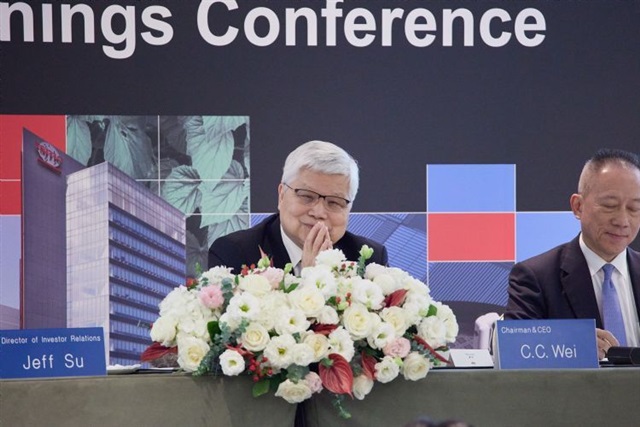
TSMC (Taiwan Semiconductor Manufacturing Company) è un pilastro fondamentale dell'industria tecnicica globale, in particolare per il settore dell'intelligenza artificiale. La sua capacità di produrre chip avanzati è cruciale per la realizzazione di GPU e acceleratori AI, componenti indispensabili per il training e l'Inference dei Large Language Models. In questo contesto di crescente domanda, le dichiarazioni del presidente C.C. Wei assumono un'importanza strategica.
Wei ha recentemente affrontato le preoccupazioni relative a possibili favoritismi nella distribuzione della capacità produttiva, smentendo categoricamente tali accuse. La questione emerge in previsione di una capacità produttiva limitata per il primo trimestre del 2026, un periodo che si preannuncia ancora teso per l'approvvigionamento di silicio di ultima generazione. Questa situazione solleva interrogativi significativi per le aziende che pianificano investimenti in infrastrutture AI, specialmente quelle orientate a soluzioni self-hosted.
Il Contesto della Scarsità di Silicio Avanzato
La produzione di semiconduttori all'avanguardia, come quelli realizzati con processi a 3nm o 2nm, richiede investimenti massicci in ricerca e sviluppo, oltre a impianti di fabbricazione estremamente complessi e costosi. TSMC è leader in questo campo, fornendo i chip che alimentano le GPU più performanti, essenziali per i carichi di lavoro intensivi degli LLM. La domanda per queste componenti è esplosa, superando l'offerta disponibile e creando colli di bottiglia nella supply chain globale.
La scarsità di capacità produttiva non è un fenomeno nuovo, ma la sua persistenza fino al 2026 evidenzia una sfida strutturale. Le aziende che sviluppano e implementano LLM necessitano di hardware con specifiche elevate, come grandi quantità di VRAM e alta capacità di calcolo, per gestire modelli sempre più complessi e dataset voluminosi. La difficoltà nell'ottenere questi componenti in tempi rapidi e a costi prevedibili impatta direttamente la pianificazione e l'esecuzione dei progetti AI.
Implicazioni per il Deployment On-Premise
Per le organizzazioni che valutano il deployment on-premise di LLM, la disponibilità e il costo dell'hardware rappresentano fattori critici. La dichiarazione di TSMC sulla capacità limitata per il 1Q26 suggerisce che le sfide nell'approvvigionamento di GPU e altri acceleratori AI persisteranno. Questo si traduce in tempi di consegna più lunghi, prezzi potenzialmente più elevati e una maggiore incertezza nella pianificazione del Total Cost of Ownership (TCO) per le infrastrutture self-hosted.
Le decisioni relative alla sovranità dei dati, alla compliance e alla necessità di ambienti air-gapped spesso spingono le aziende verso soluzioni on-premise. Tuttavia, la dipendenza da una supply chain di silicio tesa può complicare notevolmente questi obiettivi. Le aziende devono considerare attentamente questi vincoli nella loro strategia, bilanciando i benefici del controllo e della sicurezza con le sfide logistiche ed economiche imposte dalla scarsità di hardware. Per chi valuta deployment on-premise, AI-RADAR offre framework analitici su /llm-onpremise per valutare trade-off complessi tra CapEx, OpEx e performance.
Prospettive e Strategie Future
La situazione attuale sottolinea l'importanza di una pianificazione strategica a lungo termine per l'acquisizione di hardware AI. Le aziende dovranno continuare a esplorare diverse opzioni, inclusi accordi diretti con i fornitori, l'ottimizzazione dell'utilizzo delle risorse esistenti tramite tecniche come la Quantization, o la valutazione di architetture ibride che combinano risorse on-premise con capacità cloud per carichi di lavoro specifici.
La trasparenza e la gestione delle aspettative da parte di attori chiave come TSMC sono fondamentali per il mercato. Sebbene la negazione di favoritismi possa rassicurare sulla parità di trattamento, la realtà di una capacità limitata rimane una sfida ineludibile per l'intera industria dell'AI. Le decisioni di investimento in infrastrutture AI richiederanno sempre più un'analisi approfondita dei vincoli di supply chain, oltre che delle specifiche tecniche e dei requisiti di sicurezza.









💬 Commenti (0)
🔒 Accedi o registrati per commentare gli articoli.
Nessun commento ancora. Sii il primo a commentare!