
Two speeds in the semiconductor supply chain. As TSMC accelerates US manufacturing, Taiwanese chip designers remain cautious, creating a short circuit that anyone choosing on-premise infrastructure for AI must interpret with clear eyes.
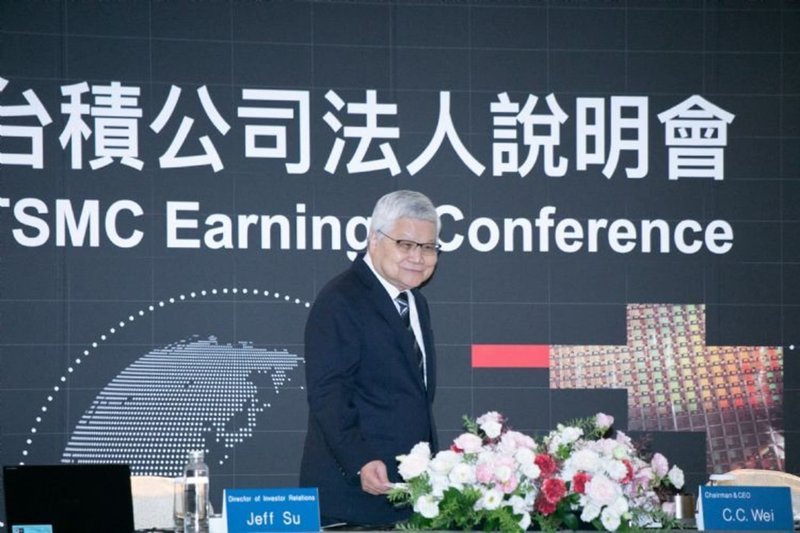
The news, echoed by DIGITIMES, is as dry as it is revealing: TSMC is boosting US production just as local foundries see domestic orders cool down, a sign that design migration is not following the machinery. A misalignment with deep roots.
Moving lithography tools and clean rooms to Arizona is not the same as relocating design teams that work hand-in-glove with global customers – Nvidia, AMD, Apple, but also the dozens of startups pushing on-device inference and compact models. Physical proximity between designers and fabricators remains a silent but formidable competitive edge: rapid iterations, overnight prototyping, constant yield feedback. That’s why Taiwanese designers are waiting: they know the value chain doesn’t relocate on the back of government incentives alone.
Those betting on local AI – servers packed with H100 GPUs or future B200s, racked in corporate data centers to run LLMs, RAG pipelines, or fine-tuning with full data sovereignty – have a concrete stake in this match. Availability of advanced silicon remains the bottleneck in any TCO calculation. Less dependency on a single geographic pole means lower geopolitical risk premiums baked into compute node costs. Yet, if the design ecosystem doesn’t follow, the advantage of local manufacturing risks remaining partial: the most innovative chips, the ones that squeeze every watt of compute power through aggressive quantization techniques, emerge from a dialogue that is currently hard to replicate outside Hsinchu.
The paradox is that the push for technological sovereignty – a central theme for those moving sensitive workloads from public clouds to self-hosted data centers – here creates a dual track. On one side, TSMC builds production capacity on friendly soil, reducing the risk that strait tensions halt deliveries. On the other, the creative heart of the industry stays anchored in Taiwan, and every procurement evaluation for an on-premise cluster must reckon with this asymmetry.
The structural signal is clear: the AI semiconductor supply chain is not yet truly redundant. The hardware on which today’s inference models run, the software libraries optimized for specific GPUs, the foundry roadmaps – all of this depends on an integrated ecosystem that TSMC’s US expansion serves, for now, more as a relief valve than a functional replica. Those planning long-term deployments, selecting multi-GPU server configurations and investing in frameworks like vLLM or TensorRT, would do well to monitor not just wafer deliveries, but also where designers are headed. Because without them, the furnaces produce only silicon, not innovation.







💬 Comments (0)
🔒 Log in or register to comment on articles.
No comments yet. Be the first to comment!