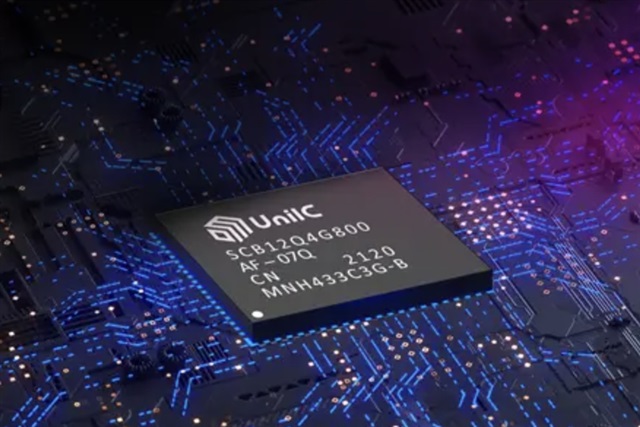
Unigroup Guoxin Targets Beijing IPO as China's DRAM Pipeline Gains Another Contender
Unigroup Guoxin, an emerging player in the Chinese technology landscape, has announced its intention to proceed with an initial public offering (IPO) in Beijing. This strategic move positions the company as a new and significant contender in China's Dynamic Random-Access Memory (DRAM) market. The initiative underscores the country's ambition to strengthen its semiconductor production supply chain, a sector of crucial strategic importance globally.
Unigroup Guoxin's entry into the DRAM segment, coupled with its listing plans, reflects a broader trend towards technological self-sufficiency and supply chain diversification. For companies operating in the artificial intelligence sector and evaluating on-premise deployments, the availability of key components like DRAM is a decisive factor. Competition and innovation in this field can directly influence the Total Cost of Ownership (TCO) and the resilience of AI infrastructures.
The Strategic Role of DRAM in AI
DRAM is a fundamental component for any modern computing system, but it takes on even greater importance in the context of artificial intelligence and Large Language Model (LLM) workloads. Memory capacity and bandwidth are critical factors for the efficiency of inference and training of complex AI models. Increasingly larger models require vast amounts of VRAM and rapid data accessibility, making DRAM performance a potential bottleneck.
For self-hosted AI architectures, the choice and availability of high-performance DRAM modules can significantly impact throughput and latency. A robust domestic supply, such as what Unigroup Guoxin aims to strengthen, can help stabilize prices and ensure more predictable procurement, essential elements for long-term planning of large-scale AI infrastructures. This is particularly true for air-gapped environments or those with stringent data sovereignty requirements, where reliance on external suppliers can present risks.
Implications for Data Sovereignty and TCO
The drive towards increased domestic semiconductor production, including DRAM, has profound implications for data sovereignty and the security of critical infrastructures. For organizations handling sensitive data or operating in regulated sectors, the ability to control the entire supply chain, from chip production to final deployment, is a significant advantage. Reducing dependence on single sources or geopolitically unstable regions can mitigate risks related to supply chain disruptions or security vulnerabilities.
From a TCO perspective, the emergence of new players in the DRAM market can stimulate competition and potentially lead to cost reductions for companies building and maintaining on-premise AI infrastructures. While the initial investment (CapEx) in hardware can be high, stable component costs and increased availability can optimize operational expenses (OpEx) in the long run. Evaluating these trade-offs is crucial for CTOs and infrastructure architects who must balance performance, cost, and control.
Future Prospects and Trade-offs in the Memory Market
The global DRAM market is characterized by volatile supply and demand cycles and intense competition among a few large manufacturers. The entry of new contenders, especially from regions with ambitions for technological self-sufficiency, can alter existing balances. For companies designing and implementing AI solutions, diversifying DRAM sourcing becomes a key strategy to mitigate risks.
The choice between different memory options, which vary in density, speed, and cost, requires careful analysis of trade-offs. There is no single “best” solution; the decision depends on the specific requirements of the AI workload, the available budget, and priorities regarding sovereignty and resilience. AI-RADAR, for example, offers analytical frameworks on /llm-onpremise to help evaluate these complex trade-offs, providing tools to compare on-premise deployment options against cloud alternatives, always with a focus on neutrality and technical constraints.








💬 Comments (0)
🔒 Log in or register to comment on articles.
No comments yet. Be the first to comment!