The New Frontier of Undersea Security
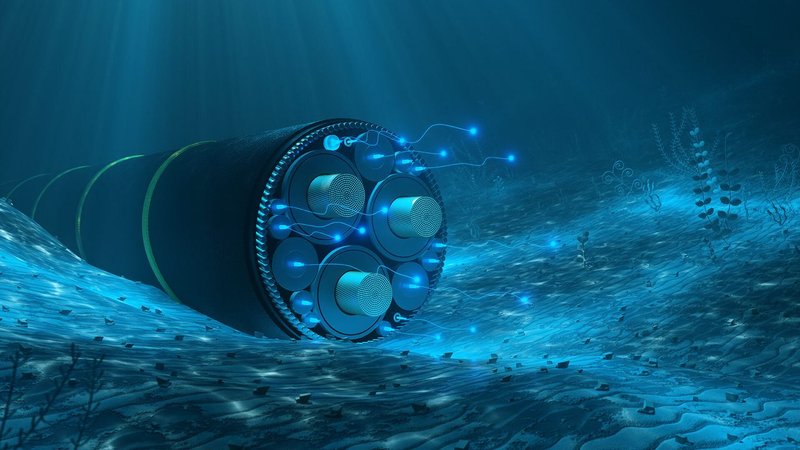
The protection of critical undersea infrastructure is emerging as a global strategic priority in an increasingly complex geopolitical landscape. Undersea cables, vital arteries for the global digital economy, daily carry an estimated $1.8 trillion in transactions. Their vulnerability to potential acts of sabotage, such as those attributed to state actors, has prompted the formation of new defensive alliances.
A recent defense pact, with the United States as one of three key partners, focuses on developing innovative technologies to counter these threats. The objective is to safeguard global connectivity and economic stability by ensuring the integrity of these essential networks.
The Role of Autonomous Underwater Vehicles (AUVs)
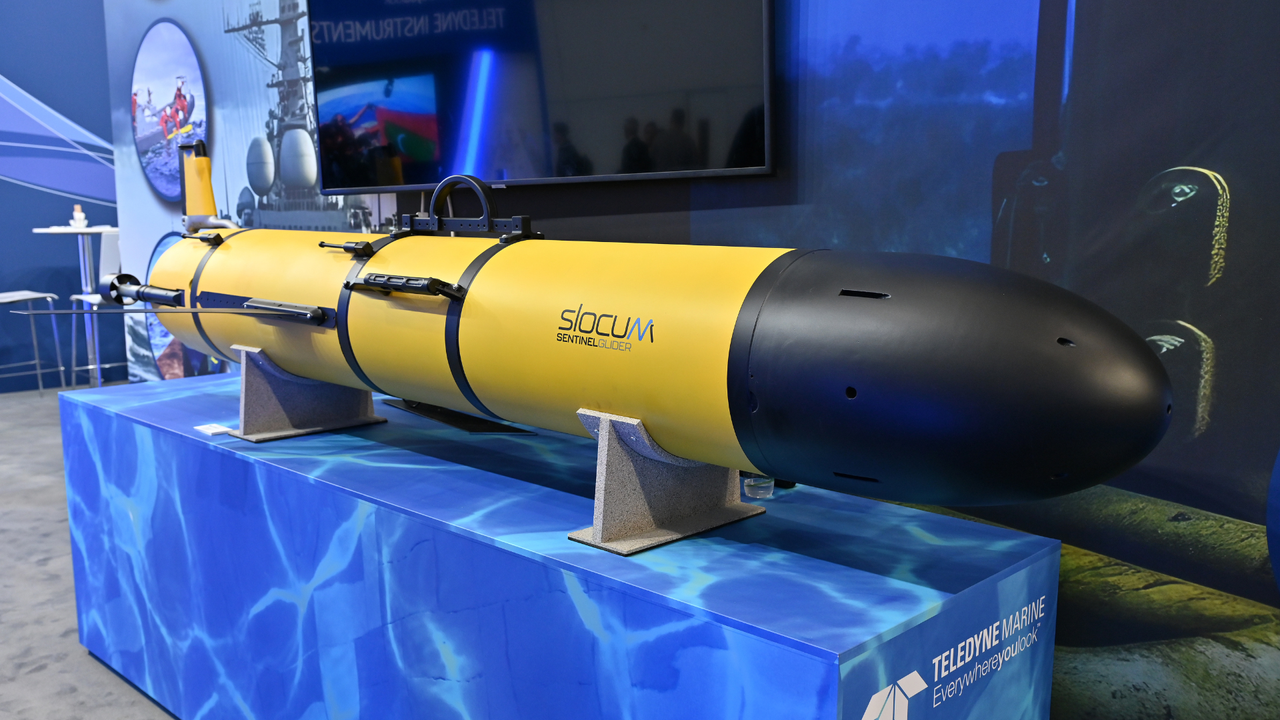
At the heart of this technological initiative is the deployment of autonomous underwater vehicles (AUVs), such as those manufactured by Teledyne. These advanced systems represent a promising solution for the proactive monitoring and protection of cables. AUVs are equipped with sophisticated sensors capable of detecting anomalies, structural damage, or suspicious activities along cable routes.
To operate effectively in complex and unpredictable underwater environments, these vehicles require significant on-board data processing capabilities. This includes the use of artificial intelligence algorithms for autonomous navigation, real-time analysis of acoustic and visual data, and immediate decision-making without constant reliance on a human operator. Implementing AI at the edge, directly on the AUV, is crucial for minimizing latency and ensuring rapid responses in critical situations.
Implications for Data Sovereignty and On-Premise Deployment
The sensitive nature of defense operations and the protection of critical infrastructure make data sovereignty a fundamental aspect. Data collected by AUVs, which may include detailed geospatial information, acoustic profiles, and high-resolution images, must be managed with the utmost security and compliance. This often implies adopting deployment strategies that prioritize direct control over data and infrastructure.
For teams developing and managing these technologies, the choice between cloud and self-hosted solutions becomes crucial. Processing and storing sensitive data in on-premise or air-gapped environments, especially for the training and fine-tuning phases of AI models, offers a superior level of control and security. This approach reduces risks related to data residency and dependence on external providers, vital aspects for applications with high compliance and national security requirements.
Technological Challenges and Future Prospects
The development and large-scale deployment of AUVs for undersea cable protection present several technical and operational challenges. These include the energy autonomy of the vehicles, the robustness of hardware systems in hostile marine environments, and the ability to communicate effectively in underwater conditions. From an infrastructure perspective, the Total Cost of Ownership (TCO) for managing AUV fleets must be considered, including maintenance, software updates, and recharging costs.
The need to process large volumes of data in real-time, often with limited on-board computational resources, drives the optimization of AI models through techniques like Quantization. For those evaluating on-premise deployment for AI/LLM workloads in similar contexts, AI-RADAR offers analytical frameworks on /llm-onpremise to assess trade-offs between performance, security, and costs. The future of undersea security will depend on the ability to integrate robust hardware, intelligent software, and deployment strategies that ensure maximum control and resilience.






💬 Comments (0)
🔒 Log in or register to comment on articles.
No comments yet. Be the first to comment!