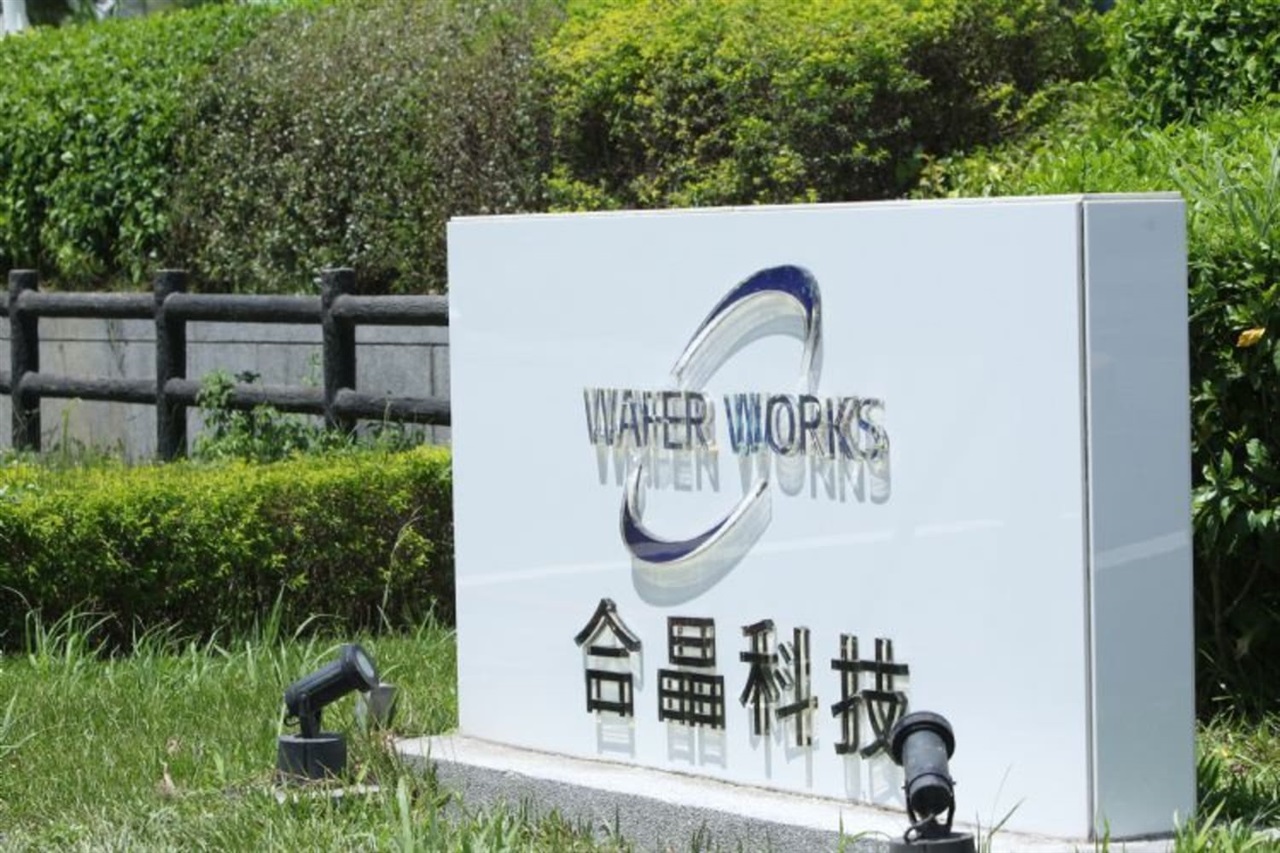
In a move that resonates directly within the AI hardware supply chain, Wafer Works has unveiled expansion plans it calls the ‘golden triangle’. The company, specializing in silicon wafer and advanced material production, aims to boost capacity across three strategic directions: artificial intelligence, optical components, and silicon carbide (SiC).
The trifold push: AI, photonics, and power
AI wafers are not only about GPU logic; they also include specialized substrates for high-bandwidth memory and chips handling inference. Increasing capacity in this area translates to greater availability of components for accelerator cards and server systems. In parallel, optical wafers are critical for fiber interconnects and transceivers that enable low-latency communication between compute nodes—essential when training or serving LLMs on distributed clusters. Finally, silicon carbide—known for its energy efficiency—is used in power modules and inverters, cutting overall data center consumption.
Why the expansion matters for on-premise adopters
Those managing self-hosted LLM infrastructure know that accelerator lead times and price volatility largely depend on upstream production capacity. An increase in wafer supply, if confirmed, could ease inventory pressure and support more stable hardware investment planning. Moreover, integrating advanced optical components promises to make high-speed networking architectures more accessible—a well-known bottleneck for distributed inference workloads.
The sovereignty angle
The announcement comes at a time when geopolitical tensions push governments and enterprises to seek diversified semiconductor sources. Wafer Works, based in Taiwan, represents a piece of a supply chain that many Western organizations scrutinize when designing deployments that require compliance with regulations such as GDPR or on-premise data residency. Access to components manufactured in regions with clear trade policies can simplify risk management.
Trade-offs and time horizons
Capacity expansion is not immediate: building production lines takes months, if not years. For those evaluating on-premise deployment in the short term, the stabilizing effect may only materialize later. It remains to be seen how AI wafer demand will split between cloud giants and enterprise players: if supply gets absorbed by large-scale contracts, benefits for smaller projects could be limited. AI-RADAR will continue to monitor the impact of these dynamics on dedicated hardware availability and cost.
Wafer Works’ initiative nonetheless signals an encouraging direction: the recognition that AI growth cannot ignore solid physical foundations. For those building local stacks, every expansion of the production chain is a step toward greater predictability.






💬 Comments (0)
🔒 Log in or register to comment on articles.
No comments yet. Be the first to comment!