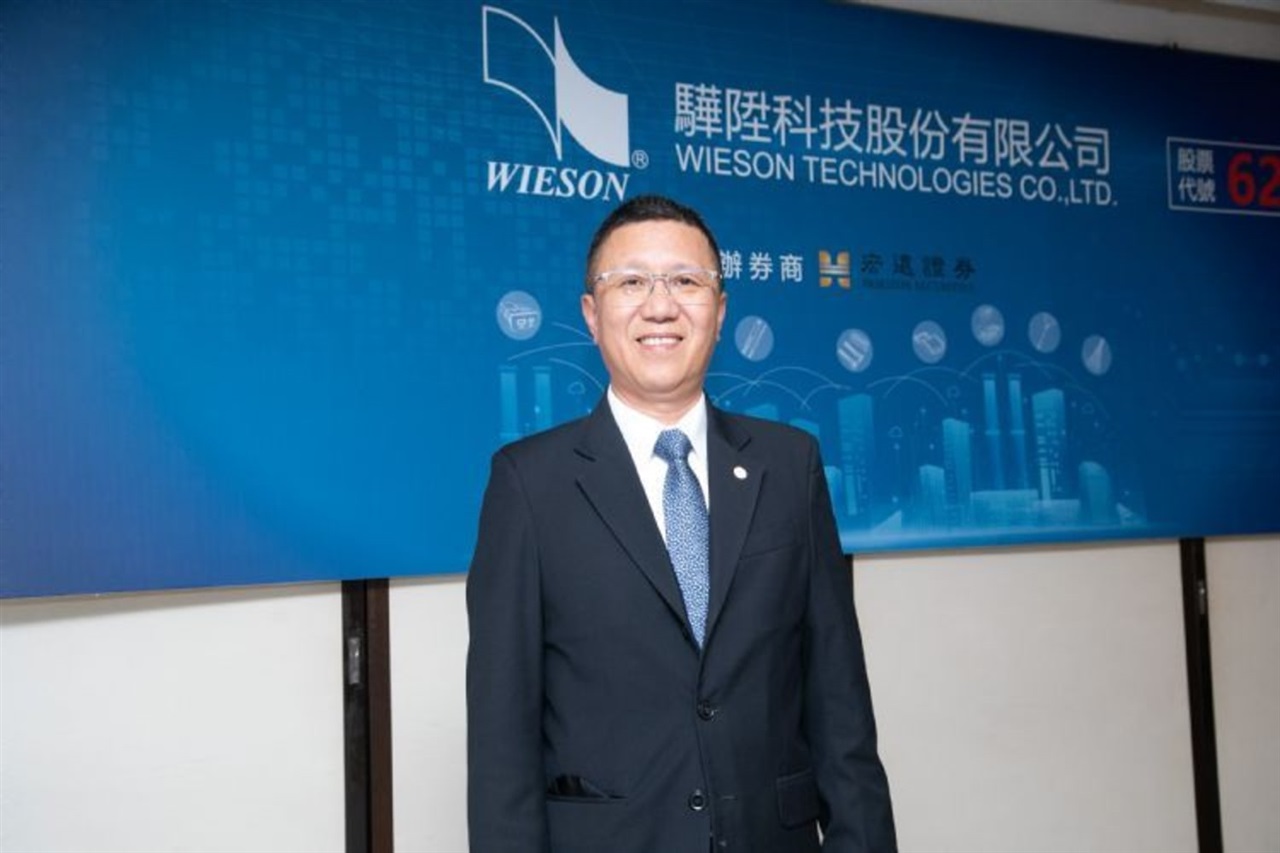
Recovery Outlook and New Directions for Wieson
Wieson, a recognized name in the technology sector, has outlined a recovery forecast for the second quarter of 2026. This optimistic outlook is primarily fueled by the growing traction of its new business lines. In a continuously evolving market, focusing on new strategic areas is a key indicator of a company's ability to adapt and innovate.
For technical decision-makers, such as CTOs, DevOps leads, and infrastructure architects, monitoring these market dynamics is fundamental. Growth forecasts from players like Wieson can signal broader industry trends, influencing decisions related to hardware, software, and infrastructure investments. Understanding where capital and innovation flows are moving is crucial for planning long-term deployments, especially for demanding workloads like those of Large Language Models (LLMs).
New Initiatives and Their Technical Implications
While the source does not specify the exact nature of Wieson's "new businesses," in the current technology market context, these often gravitate around rapidly expanding sectors such as artificial intelligence, edge computing, or the development of specialized hardware components. The demand for high-performance silicon, advanced VRAM memory modules, and high-throughput interconnects is constantly growing, driven by the need to run increasingly complex LLM models.
These new business directions may include the production of components for servers dedicated to LLM Inference and training, data center solutions, or modules for integration into self-hosted systems. The availability of such components is a critical factor for companies choosing an on-premise approach, where supply chain management and access to specific hardware determine the overall feasibility and Total Cost of Ownership (TCO) of the deployment.
A provider's ability to meet the demand for specific hardware, such as GPUs with high VRAM or high-speed storage solutions, is directly related to a company's ability to build and scale its local AI infrastructures. This aspect is particularly relevant for those seeking to maintain control over their data and operate in air-gapped environments, where reliance on external suppliers for critical components must be carefully managed.
Deployment Context and Data Sovereignty
The recovery prospects and expansion into new business areas by companies like Wieson have direct implications for deployment strategies. For organizations prioritizing data sovereignty and regulatory compliance, the option of an on-premise or hybrid deployment for AI/LLM workloads remains a priority. The availability of hardware and services from suppliers expanding into these sectors can simplify the construction of robust local stacks.
The choice between self-hosted and cloud-based solutions for LLMs is never trivial and involves a careful evaluation of TCO, latency, throughput, and security requirements. A recovering market, with new players or expansions of existing ones, can offer more options and potentially reduce costs or improve the availability of critical components, positively influencing the feasibility of on-premise projects.
A company's ability to innovate and gain traction in new markets is often a reflection of the underlying demand for specific solutions. For those evaluating on-premise deployment, analytical frameworks are available on /llm-onpremise that can help assess the trade-offs between control, cost, and performance, also considering the availability of hardware and services from growing suppliers.
Final Perspective on the Tech Market
Wieson's forecast of a recovery in 2Q26, supported by new initiatives, underscores the dynamism of the technology sector. This type of market signal is fundamental for professionals who must make strategic infrastructure decisions. The ability to anticipate trends and understand the impact of new business directions on component and service markets is essential for optimizing investments.
In an era where LLMs are redefining many aspects of enterprise IT, the choice of a robust and controllable deployment infrastructure is more critical than ever. Companies preparing to implement large-scale AI solutions must consider not only immediate technical specifications but also the stability and evolution of the hardware and software vendor market. Monitoring the growth of companies like Wieson offers valuable insight into the forces shaping the future of AI deployment.






💬 Comments (0)
🔒 Log in or register to comment on articles.
No comments yet. Be the first to comment!