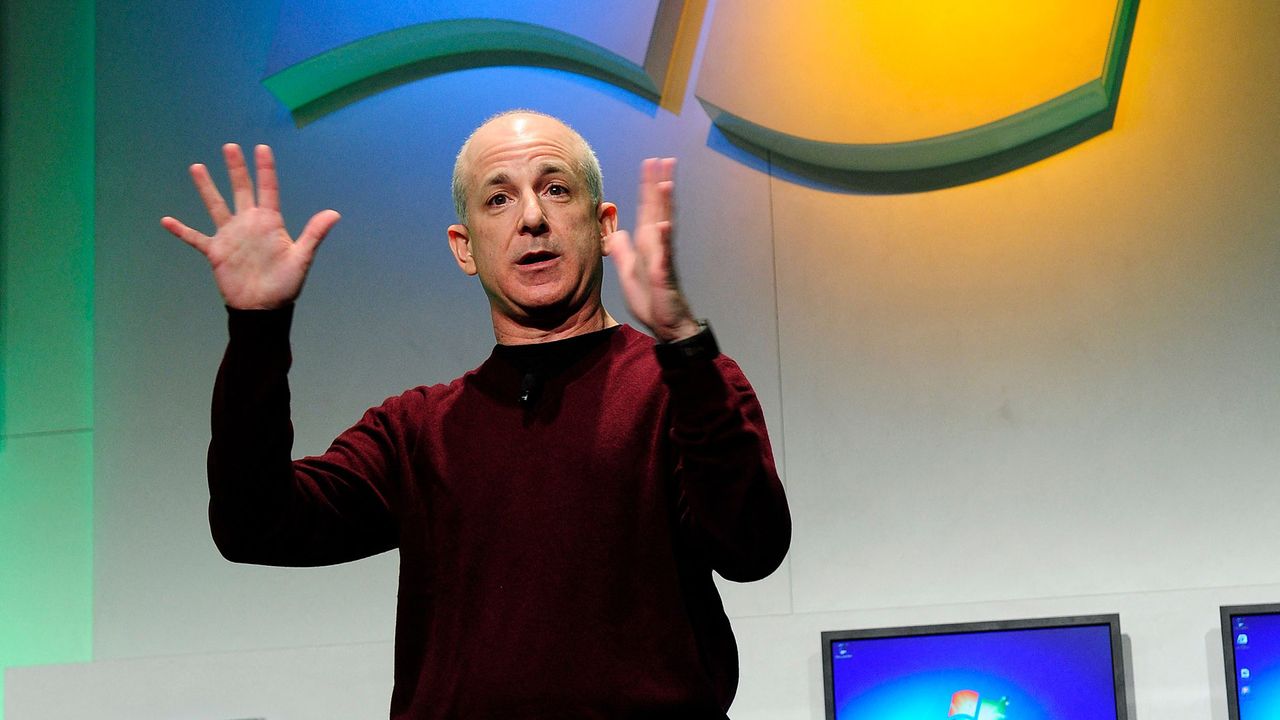
A Look Back: Windows on Arm and Nvidia Tegra
Steven Sinofsky, a prominent figure and former president of Microsoft's Windows division, recently recalled a pivotal moment in the operating system's development history. By sharing a video from 2010, Sinofsky highlighted the first time Windows was executed on an Arm architecture, specifically on a system equipped with an Nvidia Tegra processor. This episode, which occurred over a decade ago, represents a milestone in Microsoft's exploration of hardware platforms alternative to the ubiquitous x86 architecture.
Sinofsky's account is not merely a historical anecdote but a reminder of the visions and challenges that have driven computing's evolution. As early as 2010, the idea of a more energy-efficient Windows, potentially better suited for mobile devices, was a strategic objective, although the path to achieving it would prove long and complex.
The Technological Context of 2010: A Transforming World
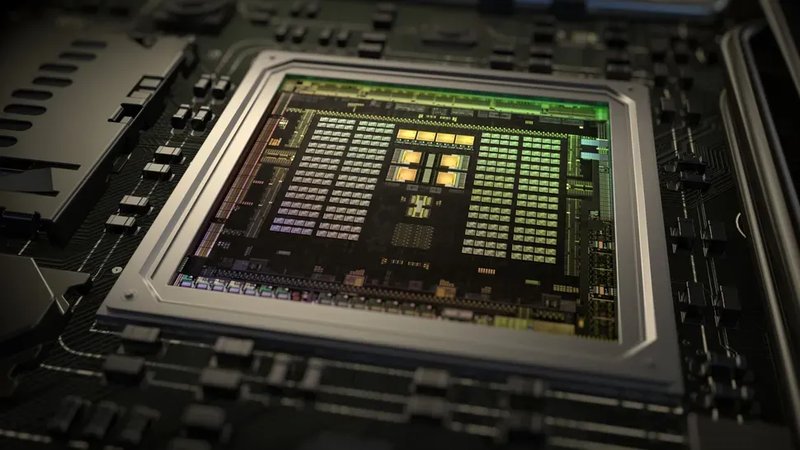
In the early 2010s, the technological landscape was rapidly evolving. Arm processors were gaining traction in the mobile sector, powering smartphones and tablets with their remarkable energy efficiency. Nvidia, at the time, was pushing its Tegra System-on-Chip (SoC) line, aiming to extend its influence beyond the discrete graphics card market into embedded and mobile devices. The idea of bringing Windows to Arm was ambitious, as the operating system had historically been tied to Intel and AMD's x86 architecture.
This transition implied not only a recompilation of Windows' kernel and core components but also the need for an entirely new software and driver ecosystem. The challenges were considerable, ranging from legacy application compatibility to peripheral management. However, the promise of extended battery life and more compact form factors made the investment in research and development an attractive option for Microsoft, which sought not to lose ground in the nascent portable device market.
Implications and the Journey of Windows on Arm
While the 2010 experiment with Nvidia Tegra did not lead to immediate commercial success for Windows on Arm, it laid the groundwork for future attempts. The Windows RT project, launched with Windows 8, was a first concrete step, albeit with significant limitations, such as the inability to run traditional x86 applications. Only years later, with the advent of more powerful Arm processors and software optimization, Windows on Arm began to show its true potential, thanks in part to the efforts of companies like Qualcomm.
Apple's success with its M-series chips, based on the Arm architecture, has unequivocally demonstrated that Arm processors can deliver high-level performance with superior energy efficiency, even for complex workloads. This has reignited interest in diversifying hardware architectures in the PC world, prompting Microsoft to further invest in developing a native Windows ecosystem for Arm.
Future Prospects and Relevance for On-Premise AI
The history of Windows on Arm and Nvidia Tegra is particularly relevant today, in an era dominated by artificial intelligence and the growing demand for efficient computing solutions. For enterprises evaluating the deployment of Large Language Models (LLM) and other AI workloads, hardware choice is crucial. The exploration of alternative architectures, such as Arm, for on-premise or edge AI Inference, is driven by the pursuit of optimized TCO, greater energy efficiency, and the need to ensure data sovereignty.
The adoption of AI-specific silicon, which includes not only traditional GPUs but also accelerators based on Arm or other architectures, can offer significant advantages in terms of throughput and latency for specific workloads. For those evaluating on-premise deployments, complex trade-offs exist between performance, operational costs, and flexibility. AI-RADAR offers analytical frameworks on /llm-onpremise to evaluate these options, emphasizing how hardware diversification, once an operating system experiment, is now a key strategy for AI infrastructure.






💬 Comments (0)
🔒 Log in or register to comment on articles.
No comments yet. Be the first to comment!