
Nvidia e Microsoft annunciano una "nuova era del PC"
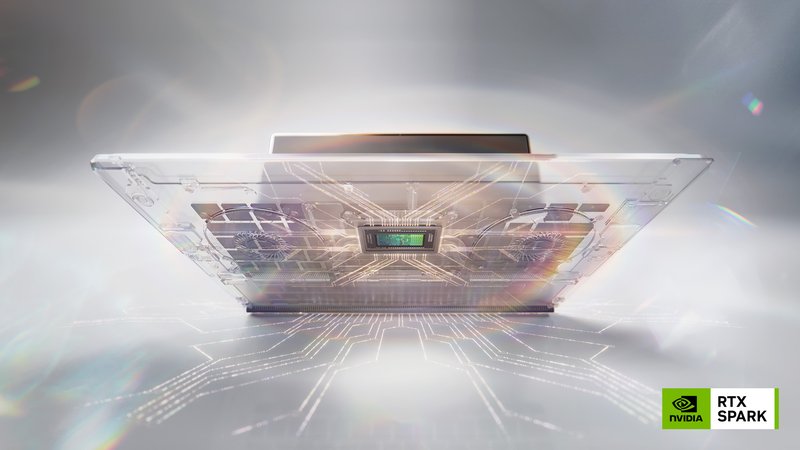
Nvidia e Microsoft hanno avviato una campagna coordinata sui social media, generando attesa per quella che definiscono una "nuova era del PC". L'iniziativa precede il Computex 2026, suggerendo che l'evento sarà il palcoscenico per rivelazioni significative. Al centro delle speculazioni vi è l'introduzione di nuovi laptop, noti come N1X, che dovrebbero integrare un System-on-Chip (SoC) basato su architettura ARM sviluppato da Nvidia.
Questa mossa segna un potenziale punto di svolta nel panorama dei personal computer, con implicazioni che vanno oltre il semplice aggiornamento hardware. L'adozione di un SoC ARM da parte di un attore come Nvidia, in collaborazione con Microsoft per il supporto di Windows on Arm, indica una chiara direzione verso sistemi più efficienti e potenzialmente più performanti per carichi di lavoro specifici, inclusa l'intelligenza artificiale.
Il cuore tecnicico: Nvidia ARM SoC e Windows on Arm
Il fulcro di questa "nuova era" è l'Nvidia ARM SoC. L'architettura ARM è rinomata per la sua efficienza energetica, un fattore cruciale per i dispositivi portatili. L'integrazione di un SoC Nvidia in un laptop Windows on Arm potrebbe sbloccare nuove capacità, specialmente nel campo dell'intelligenza artificiale e del machine learning direttamente sul dispositivo. Tradizionalmente, i PC Windows hanno fatto affidamento sull'architettura x86, ma la transizione verso ARM, già vista con successo in altri ecosistemi, promette vantaggi in termini di autonomia della batteria e gestione termica.
Per le aziende e i professionisti, la disponibilità di hardware più potente ed efficiente a livello di client può significare la possibilità di eseguire modelli di intelligenza artificiale più complessi localmente. Questo include l'inference di Large Language Models (LLM) di dimensioni contenute o l'elaborazione di dati sensibili senza la necessità di inviarli al cloud, rafforzando la sovranità dei dati e la compliance normativa.
Implicazioni per il mercato e il deployment on-premise
L'introduzione di laptop Windows on Arm con SoC Nvidia potrebbe avere un impatto significativo sul mercato enterprise. Per le organizzazioni che gestiscono flotte di dispositivi, l'efficienza energetica si traduce in un TCO (Total Cost of Ownership) inferiore nel lungo periodo, grazie a minori consumi e potenzialmente a una maggiore durata del ciclo di vita del prodotto. Inoltre, la capacità di eseguire carichi di lavoro AI direttamente sui dispositivi edge offre nuove opportunità per scenari di deployment che richiedono bassa latenza e massima sicurezza dei dati.
Questo approccio si allinea con la crescente domanda di soluzioni self-hosted e air-gapped, dove i dati non lasciano mai l'ambiente controllato dell'utente. Sebbene si parli di PC, il principio è lo stesso che guida le decisioni di deployment on-premise per i server: massimizzare il controllo, la sicurezza e l'efficienza. La possibilità di eseguire inference AI localmente riduce la dipendenza dai servizi cloud, offrendo maggiore flessibilità e controllo sulle operazioni.
Prospettive future e il ruolo di AI-RADAR
L'annuncio di Nvidia e Microsoft, in vista del Computex 2026, suggerisce un futuro in cui i PC saranno non solo più efficienti, ma anche intrinsecamente più capaci nell'elaborazione AI. Questo scenario apre nuove frontiere per lo sviluppo di applicazioni che sfruttano la potenza computazionale locale, dal miglioramento della produttività personale alla gestione avanzata dei dati aziendali.
Per i CTO, i responsabili DevOps e gli architetti di infrastrutture, la valutazione di questi nuovi sistemi richiederà un'analisi attenta dei trade-off tra performance, consumo energetico e costi. AI-RADAR continua a monitorare l'evoluzione dell'hardware e delle strategie di deployment, fornendo analisi approfondite sui requisiti per l'inference e il training di LLM, sia in ambienti on-premise che edge. La capacità di un SoC ARM di Nvidia di gestire carichi AI complessi su un PC rappresenta un passo avanti verso un ecosistema più distribuito e sovrano per l'intelligenza artificiale.





💬 Commenti (0)
🔒 Accedi o registrati per commentare gli articoli.
Nessun commento ancora. Sii il primo a commentare!