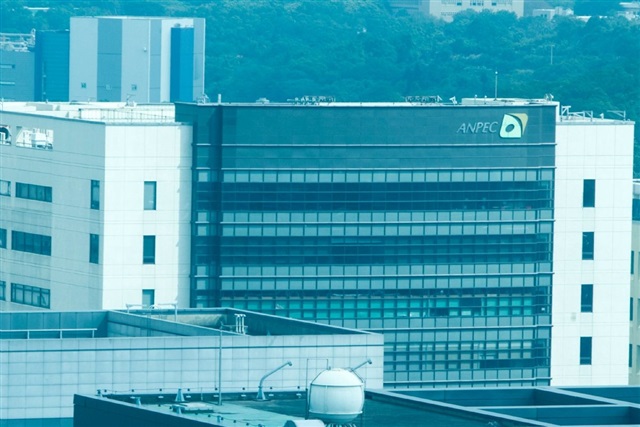
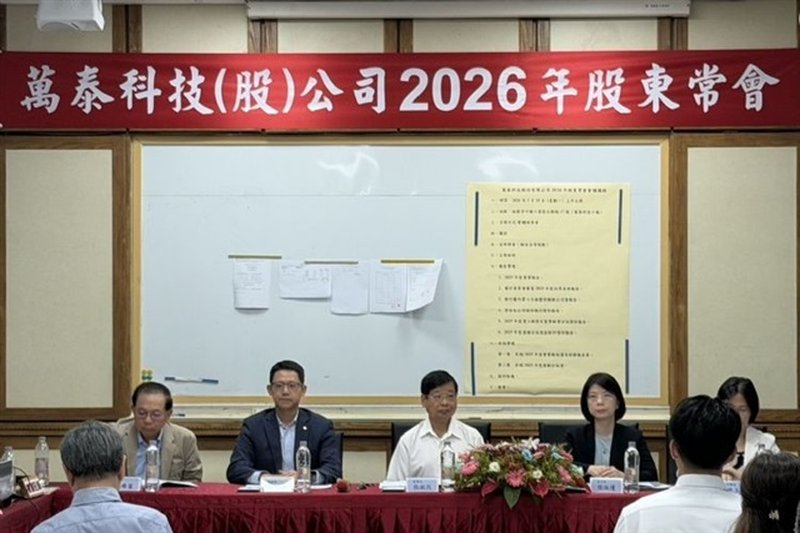
Pierre Chen, chairman of Yageo Corporation, has taken control of the board of Anpec Electronics, a Taiwan-based power management IC design house. The move, reported by DIGITIMES, does not necessarily change ownership structures but strengthens the influence of a passive component giant over a significant player in active components.
The power delivery crunch in LLM workloads
Workloads centered on Large Language Models and GPU Inference produce high power consumption and sudden spikes. PMICs ensure regulation, efficiency, and board-level protection. In on-premise and data center setups, the quality of power components directly impacts reliability and TCO. The surge in training and Inference servers is pushing manufacturers to tighten ties with capacitor and power silicon suppliers.
What changes for self-hosted deployments
Our analysis at AI-RADAR shows that, when sizing TCO for on-premise clusters, the availability and cost of secondary hardware can create bottlenecks. Vertical integration between Yageo and Anpec could bring more stable supply to system integrators, but also reduce price competition. At a time of GPU export restrictions, supply chain security becomes a tangible resilience factor for European deployers.
A link in the chain worth watching
Chen’s move is part of a broader consolidation trend, from passive components to power semiconductors. For those running their own AI infrastructure, the structure of the supply chain is not a trivial detail — it underpins the ability to run complex models without energy bottlenecks. A signal to monitor closely in a market where every link can tip the balance.



💬 Comments (0)
🔒 Log in or register to comment on articles.
No comments yet. Be the first to comment!