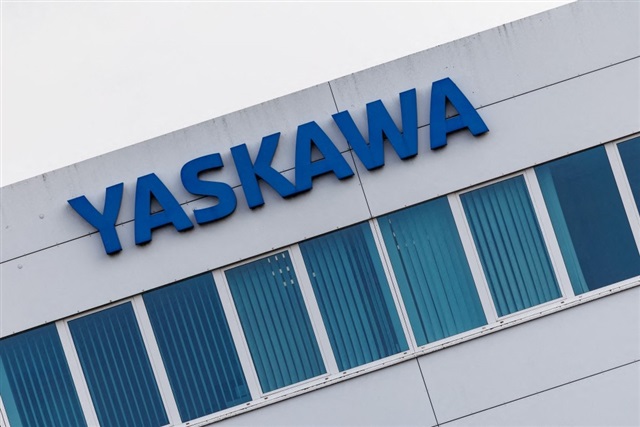
L'onda dell'automazione intelligente
Yaskawa Electric, azienda leader nel settore dell'automazione industriale e della robotica, ha registrato un incremento dei profitti, trainato principalmente dalla crescente domanda di robot basati su intelligenza artificiale e di semiconduttori. Questo trend riflette una tendenza più ampia nel panorama tecnicico globale, dove l'adozione dell'AI sta rivoluzionando diversi settori, dall'industria manifatturiera ai data center.
La spinta verso l'automazione intelligente e l'integrazione dell'AI nei processi produttivi sta generando una richiesta senza precedenti di componenti hardware avanzati. Le aziende, infatti, cercano soluzioni che possano migliorare l'efficienza operativa, ridurre i costi e accelerare l'innovazione, e i robot AI rappresentano una componente chiave di questa trasformazione.
Il ruolo cruciale dei semiconduttori nell'era AI
Al centro di questa rivoluzione tecnicica vi è la domanda esponenziale di chip, in particolare quelli ottimizzati per i carichi di lavoro di intelligenza artificiale. Processori grafici (GPU) con elevate capacità di VRAM e throughput sono diventati essenziali per l'addestramento (training) e l'esecuzione (inference) di Large Language Models (LLM) e altri modelli di AI complessi. La disponibilità di silicio all'avanguardia è quindi un fattore critico per lo sviluppo e il deployment di sistemi AI, sia in ambienti cloud che self-hosted.
Per le imprese che valutano il deployment di LLM on-premise, la scelta dell'hardware giusto è fondamentale. Fattori come la quantità di VRAM disponibile per GPU, la latenza, il throughput e la scalabilità dell'infrastruttura sono decisivi. Un'infrastruttura robusta, spesso basata su server bare metal, è necessaria per gestire carichi di lavoro intensivi, garantendo al contempo la sovranità dei dati e la compliance normativa, aspetti sempre più rilevanti per settori come la finanza o la sanità che operano in ambienti air-gapped.
Implicazioni per l'infrastruttura e il TCO
L'aumento della domanda di robot AI e chip non si traduce solo in maggiori profitti per i produttori, ma ha anche profonde implicazioni per la pianificazione dell'infrastruttura IT aziendale. Le decisioni relative al deployment di carichi di lavoro AI, che siano on-premise o in cloud, richiedono un'attenta analisi del Total Cost of Ownership (TCO). Questo include non solo i costi iniziali di acquisto dell'hardware, ma anche le spese operative legate all'energia, al raffreddamento, alla manutenzione e alla gestione del software.
Le aziende devono bilanciare le esigenze di performance con i vincoli di budget e le policy interne. Ad esempio, il fine-tuning di LLM proprietari o l'esecuzione di inference su larga scala possono richiedere un investimento significativo in GPU ad alte prestazioni, come le serie A100 o H100, con configurazioni specifiche di VRAM. Per chi valuta deployment on-premise, AI-RADAR offre framework analitici su /llm-onpremise per valutare i trade-off tra costi, performance e controllo dei dati, evidenziando come la scelta dell'architettura hardware e software influenzi direttamente l'efficienza e la sicurezza.
Prospettive future nel panorama AI
Il successo di aziende come Yaskawa Electric sottolinea la maturità e l'espansione del mercato dell'intelligenza artificiale e della robotica. La continua innovazione nel campo dei semiconduttori e lo sviluppo di nuovi framework e modelli LLM stanno accelerando ulteriormente questa crescita. La capacità di integrare l'AI in prodotti e servizi, dalla robotica industriale ai sistemi di elaborazione dati, diventerà un fattore sempre più distintivo per la competitività aziendale.
Guardando al futuro, la domanda di soluzioni AI continuerà a plasmare il mercato dell'hardware e del software. Le imprese saranno chiamate a investire in infrastrutture resilienti e scalabili, capaci di supportare le esigenze in evoluzione dell'intelligenza artificiale, mantenendo al contempo un focus sulla sicurezza, la privacy e il controllo dei dati. La sinergia tra produttori di componenti e sviluppatori di soluzioni AI sarà cruciale per sbloccare il pieno potenziale di questa tecnicia.







💬 Commenti (0)
🔒 Accedi o registrati per commentare gli articoli.
Nessun commento ancora. Sii il primo a commentare!