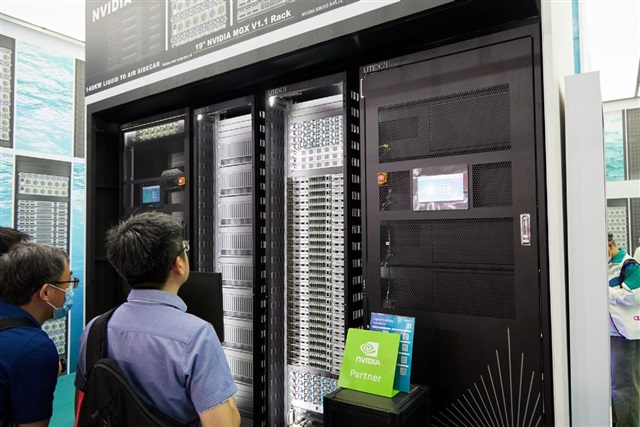
L'Avvento dell'800VDC nei Data Center: Una Nuova Era per l'Alimentazione
L'industria dei data center è in costante evoluzione, spinta dalla crescente domanda di potenza computazionale, in particolare per i carichi di lavoro legati all'intelligenza artificiale e ai Large Language Models (LLM). In questo scenario, l'adozione di sistemi di alimentazione a corrente continua (DC) a 800 Volt (800VDC) emerge come una potenziale innovazione in grado di ridefinire il mercato dell'energia per queste infrastrutture critiche. Sebbene la tecnicia prometta significativi vantaggi in termini di efficienza e densità, la sua piena integrazione è attualmente frenata da sfide normative e da ritardi nelle catene di approvvigionamento, come evidenziato da DIGITIMES.
Questa transizione verso tensioni più elevate e la corrente continua rappresenta un passo fondamentale per affrontare le crescenti esigenze energetiche dei moderni data center, dove ogni punto percentuale di efficienza può tradursi in risparmi operativi sostanziali e in una riduzione dell'impronta ambientale.
I Vantaggi dell'800VDC per i Carichi AI
L'incremento della densità di potenza nei rack, spinto dall'adozione massiva di GPU ad alte prestazioni per il training e l'inference di LLM, rende i sistemi di alimentazione tradizionali sempre meno efficienti. L'800VDC offre un percorso promettente per superare queste limitazioni. Utilizzando la corrente continua direttamente, si eliminano diverse fasi di conversione AC/DC e DC/AC che introducono perdite di energia e generano calore. Questo si traduce in una maggiore efficienza complessiva, riducendo il consumo energetico e i costi di raffreddamento.
Inoltre, tensioni più elevate permettono di trasportare la stessa quantità di potenza con correnti inferiori, il che significa cavi più sottili e meno ingombranti. Questo non solo libera spazio prezioso all'interno dei data center, ma può anche semplificare la distribuzione dell'energia e ridurre i costi di installazione. Per le architetture on-premise, dove lo spazio e l'efficienza sono parametri critici per il TCO, questi vantaggi sono particolarmente rilevanti.
Ostacoli all'Adozione: Normative e Supply Chain
Nonostante i chiari benefici tecnici, l'adozione diffusa dell'800VDC nei data center incontra significative resistenze. La principale sfida risiede nella mancanza di standard normativi consolidati. L'industria è abituata a infrastrutture basate su corrente alternata (AC) e la transizione a un nuovo standard DC richiede un'ampia revisione delle normative di sicurezza, delle certificazioni e delle pratiche di installazione. Questa lacuna normativa crea incertezza per i produttori e gli operatori, rallentando gli investimenti e l'innovazione.
Parallelamente, le catene di approvvigionamento non sono ancora pronte a supportare una transizione su larga scala. La disponibilità di componenti, apparecchiature e sistemi di distribuzione specifici per l'800VDC è limitata. Questo si traduce in costi più elevati per i primi adottanti e in tempi di consegna più lunghi, rendendo difficile la pianificazione e il deployment di nuove infrastrutture. Per le aziende che valutano soluzioni self-hosted, la dipendenza da un ecosistema di fornitori ancora immaturo può rappresentare un rischio significativo e un fattore che incide sul TCO iniziale.
Prospettive Future e Considerazioni per il Deployment
Il potenziale dell'800VDC per migliorare l'efficienza e la densità dei data center è innegabile, soprattutto in un'era dominata dai requisiti energetici degli LLM. Tuttavia, la sua piena realizzazione dipenderà dalla capacità dell'industria di superare le attuali sfide normative e di filiera. La standardizzazione e lo sviluppo di un ecosistema di fornitori robusto saranno cruciali per accelerare l'adozione e rendere la tecnicia economicamente vantaggiosa su larga scala.
Per i CTO e gli architetti di infrastrutture che considerano il deployment di carichi di lavoro AI on-premise, l'800VDC rappresenta una tecnicia da monitorare attentamente. Sebbene i benefici a lungo termine in termini di efficienza operativa e TCO siano allettanti, è fondamentale valutare i trade-off legati ai costi iniziali più elevati, alla complessità di integrazione e alla disponibilità limitata di soluzioni. AI-RADAR continua a fornire analisi approfondite sui framework e le infrastrutture necessarie per valutare questi trade-off, supportando le decisioni strategiche nel panorama in evoluzione dei data center.









💬 Commenti (0)
🔒 Accedi o registrati per commentare gli articoli.
Nessun commento ancora. Sii il primo a commentare!