
L'Ascesa dell'AI Fisica e il Tech Forum 2026
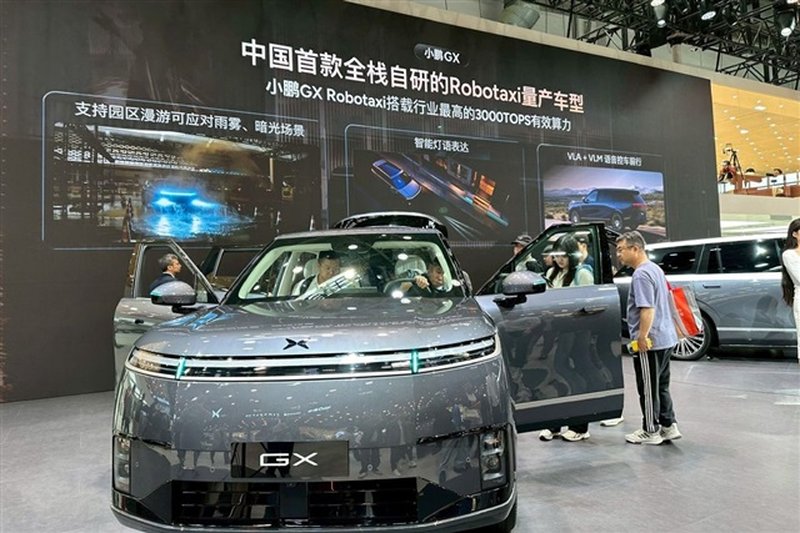
Il panorama tecnicico è in costante evoluzione, e il Tech Forum 2026 ha puntato i riflettori su un'area di sviluppo particolarmente promettente: l'AI Fisica. Secondo le analisi presentate all'evento, questa branca dell'intelligenza artificiale è destinata a rivoluzionare settori chiave come la guida autonoma e la robotica, promettendo un'accelerazione senza precedenti nell'adozione e nell'efficacia di queste tecnicie. L'AI Fisica si distingue per la sua capacità di interagire direttamente con il mondo reale, non limitandosi all'elaborazione di dati digitali, ma influenzando e percependo l'ambiente fisico attraverso sensori e attuatori.
Questa evoluzione segna un passaggio cruciale dall'AI puramente software a sistemi che integrano profondamente componenti hardware e software per operare in contesti dinamici e imprevedibili. Le implicazioni per le aziende sono vaste, richiedendo un ripensamento delle architetture di sistema e delle strategie di deployment per supportare carichi di lavoro AI sempre più complessi e sensibili al contesto.
Le Sfide Tecniche e i Requisiti Frameworkli
L'implementazione dell'AI Fisica in applicazioni come la guida autonoma e la robotica presenta sfide tecniche significative. Questi sistemi richiedono capacità di elaborazione in tempo reale, latenza estremamente bassa e un'elevata affidabilità per prendere decisioni critiche in frazioni di secondo. La fusione di dati provenienti da molteplici sensori (telecamere, LiDAR, radar) e l'esecuzione di modelli complessi (come Large Language Models o modelli di visione) richiedono risorse computazionali ingenti.
Per supportare queste esigenze, l'infrastruttura sottostante deve essere robusta. Si parla di GPU con elevate quantità di VRAM e capacità di calcolo, ottimizzate per l'Inference a bassa latenza. La scelta tra deployment on-premise, edge o cloud diventa cruciale. Le soluzioni edge, in particolare, sono spesso preferite per l'AI Fisica, poiché riducono la latenza di rete e garantiscono la sovranità dei dati, aspetti fondamentali per applicazioni critiche e sensibili alla privacy.
Deployment On-Premise vs. Cloud: Un Bilancio Strategico
La decisione su dove deployare i carichi di lavoro di AI Fisica è complessa e dipende da una serie di fattori, tra cui il Total Cost of Ownership (TCO), i requisiti di latenza, la sovranità dei dati e la compliance normativa. Le soluzioni cloud offrono scalabilità e flessibilità, ma possono introdurre latenza inaccettabile per applicazioni in tempo reale e sollevare preoccupazioni sulla localizzazione e il controllo dei dati.
Al contrario, un deployment self-hosted o bare metal on-premise offre controllo completo sull'hardware, sui dati e sull'ambiente operativo. Questo approccio è spesso preferito per scenari air-gapped o per aziende con stringenti requisiti di sicurezza e compliance. Sebbene l'investimento iniziale (CapEx) possa essere maggiore, il TCO a lungo termine può risultare più vantaggioso, specialmente per carichi di lavoro prevedibili e ad alto volume. Per chi valuta i trade-off tra deployment on-premise e cloud, AI-RADAR offre framework analitici su /llm-onpremise per supportare decisioni informate.
Prospettive Future e Decisioni Strategiche
L'accelerazione dell'AI Fisica nella guida autonoma e nella robotica, come evidenziato al Tech Forum 2026, promette un futuro in cui macchine intelligenti interagiranno con il nostro ambiente in modi sempre più sofisticati. Tuttavia, la realizzazione di questa visione dipende da decisioni strategiche oculate in merito all'infrastruttura e al deployment. Le aziende dovranno bilanciare innovazione tecnicica, sostenibilità economica e conformità normativa.
La capacità di gestire e processare grandi volumi di dati in modo efficiente e sicuro, sia a livello di edge che di data center on-premise, sarà un fattore determinante per il successo. La scelta di architetture hardware e software adeguate, insieme a una chiara strategia di governance dei dati, permetterà di sfruttare appieno il potenziale dell'AI Fisica, garantendo al contempo controllo e resilienza operativa.








💬 Commenti (0)
🔒 Accedi o registrati per commentare gli articoli.
Nessun commento ancora. Sii il primo a commentare!