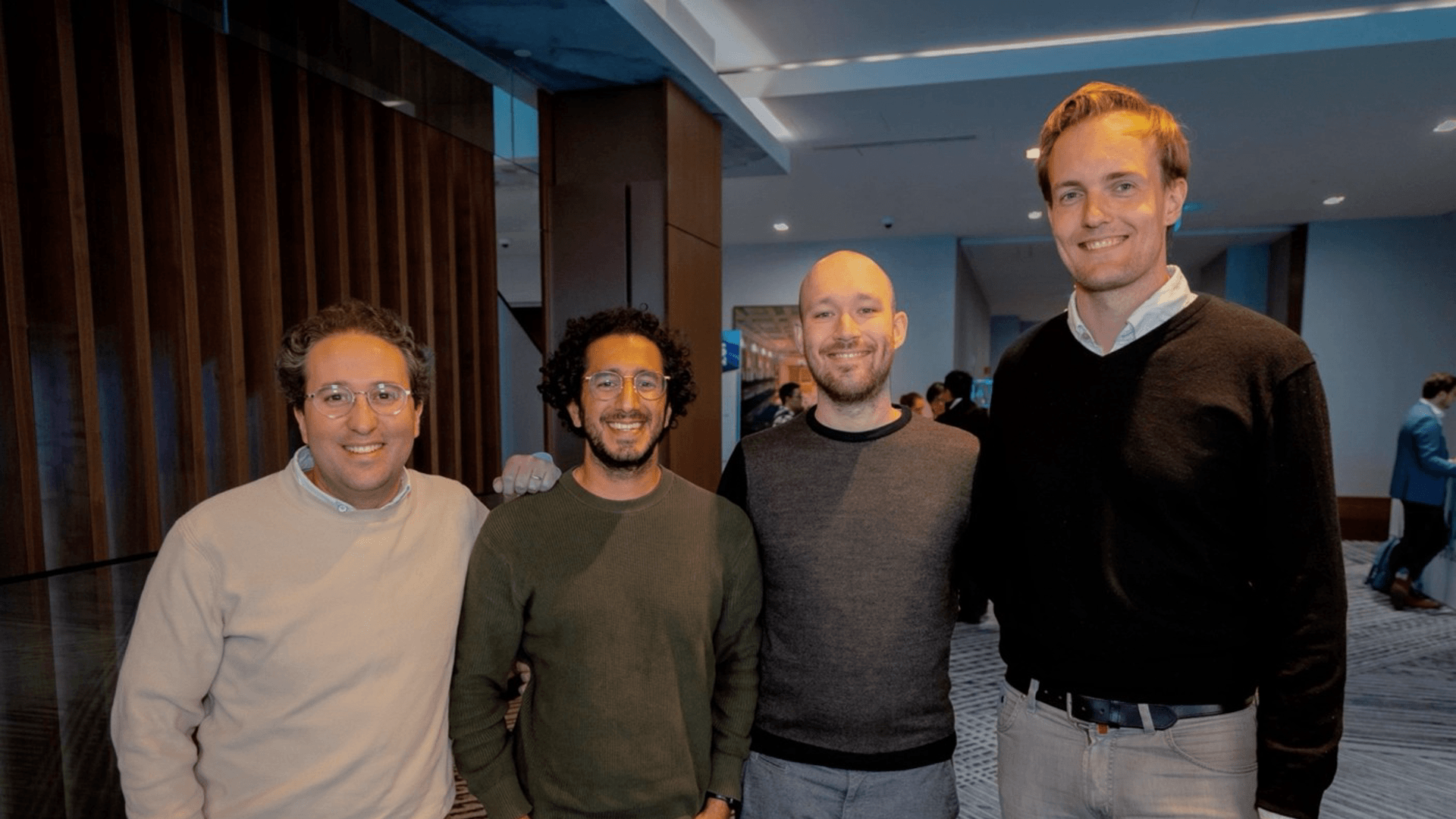
The race to bring new biologic drugs to market often runs into an unpredictable obstacle: the patient’s immune response. Promising therapies like monoclonal antibodies can trigger adverse reactions that nullify their effectiveness, halting late-stage clinical trials and causing massive financial losses. It is in this space that ALP Bio, a Swiss spin-off, has just raised €161,000 from Venture Kick to push forward a strategy that aims to anticipate these risks by combining human biological models and artificial intelligence.
The funding will support the launch of initial pilot projects with pharmaceutical companies, a crucial step to validate the platform in real-world settings and accelerate adoption. This is not a mere incremental improvement: current methods for predicting immunogenicity – the tendency of a drug to provoke unwanted immune reactions – often provide partial insights, relying on animal models or in vitro tests that struggle to capture the complexity of human biology. ALP Bio flips the perspective by using tonsil-derived human immune tissues, integrated with AI-driven protein computational models. In this way, when a company is designing a new therapeutic antibody, it can simulate how the immune system will react to the molecule, identifying potential issues already in the preclinical phase.
The team leading the initiative – Christian Vahlensiek (CEO), Lucas Schaus (CSO), Anatol Ehrlich (CTO), and Punit Mehra (CBO) – brings together expertise in immunology, protein engineering, and predictive model development. Their vision is clear: shift risk assessment to the left, reducing the failure rates that today plague more than a third of biologic development programs. No details are mentioned about the hardware or computing infrastructure used for the AI models, nor whether training or inference occurs in cloud, on-premise, or hybrid modes. But the project’s logic signals a broader trend: the integration of experimental biological data and machine learning is becoming an indispensable tool to de-risk increasingly expensive R&D paths.
For those observing the sector from a technology deployment perspective, the ALP Bio case reminds us that artificial intelligence in life science does not live by GPU and VRAM alone, but by a deep symbiosis between domain expertise and computational models. This is not about LLM fine-tuning or network quantization, but about a very concrete use of AI as a knowledge accelerator in a field where patient safety is the ultimate stake. The coming months, with the launch of pilot collaborations, will tell whether the platform can turn seed funding into a solid competitive advantage.






💬 Comments (0)
🔒 Log in or register to comment on articles.
No comments yet. Be the first to comment!