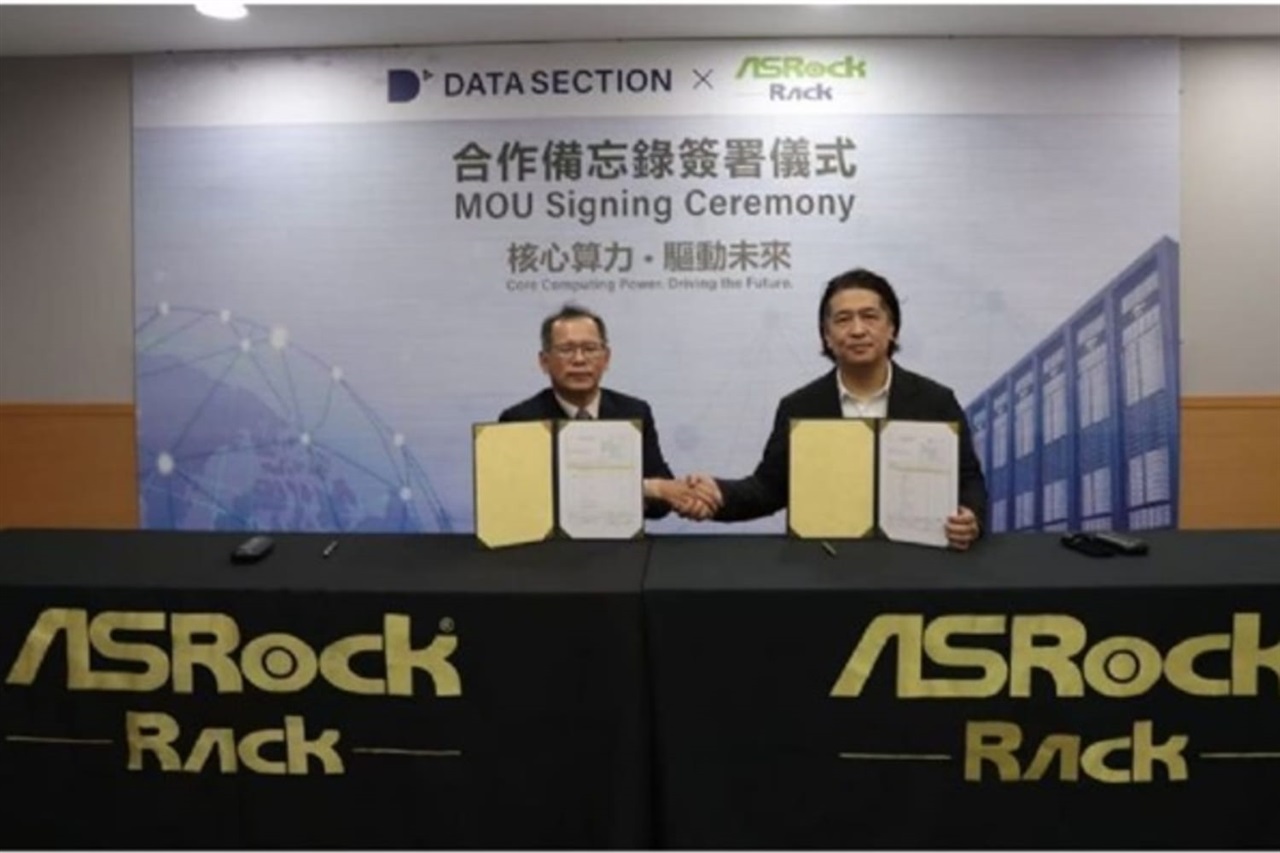
ASRock Rack to Supply GPU Servers for Thailand AI Data Center
ASRock Rack, a division of the Taiwanese giant Pegatron, has announced that it has secured a significant order to supply 587 GPU servers. These systems are destined for a new artificial intelligence data center to be built in Thailand. The news, reported by DIGITIMES, highlights the rapid expansion of AI infrastructure globally, with increasing focus on creating local computational capabilities.
The agreement with ASRock Rack underscores how the demand for specialized AI hardware is driving significant investments across various regions. The choice of an on-premise deployment for a data center of this size often reflects a strategy aimed at direct control over hardware and data, crucial aspects for many organizations and governments operating with sensitive workloads.
The Strategic Role of GPU Servers in On-Premise Deployments
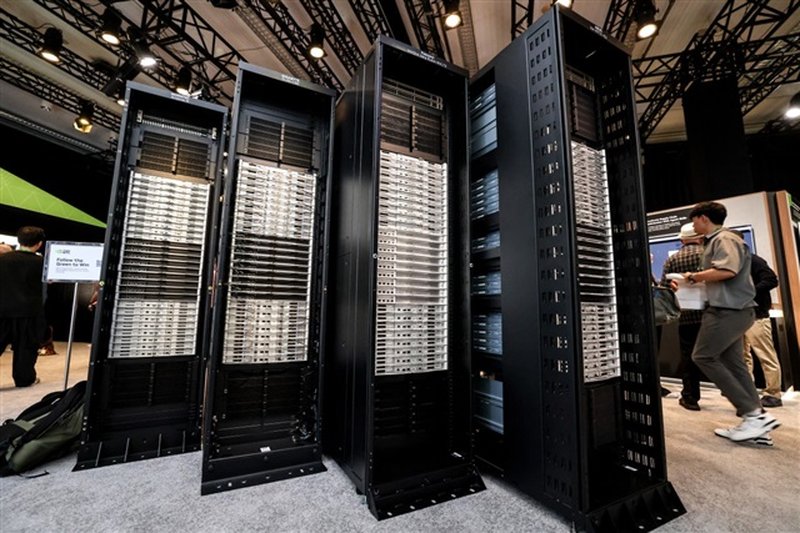
GPU servers represent the backbone of modern AI infrastructures, essential for both intensive Large Language Models (LLM) training and high-Throughput Inference. Their parallel architecture and ability to handle enormous data volumes make them indispensable for accelerating complex computations, from computer vision to natural language processing.
For companies and institutions evaluating an on-premise deployment, the choice of GPU servers is a decisive factor. It directly influences performance, scalability, and the long-term Total Cost of Ownership (TCO). The availability of sufficient VRAM and adequate computational power is critical for running increasingly larger and more complex AI models, while ensuring low latency and high operational efficiency. Opting for a self-hosted infrastructure allows for granular control over these parameters, enabling specific optimizations for anticipated workloads.
Implications for Data Sovereignty and Compliance
The decision to build an AI data center in Thailand with on-premise GPU servers has significant implications for data sovereignty and regulatory compliance. Many nations and industries require sensitive data to remain within national borders or be managed under specific jurisdictions for privacy and security reasons. A self-hosted infrastructure offers the highest guarantee in this regard, allowing organizations to maintain full control over the operating environment and data flows.
This approach contrasts with public cloud models, where the physical location of data can be more variable and subject to provider policies. For CTOs, DevOps leads, and infrastructure architects, the evaluation between CapEx (for purchasing hardware like GPU servers) and OpEx (for cloud services) is crucial. An on-premise deployment, while requiring a larger initial investment, can offer advantages in terms of TCO and operational flexibility in the long run, in addition to meeting stringent security and air-gapped environments requirements.
Future Outlook and Strategic Considerations
ASRock Rack's order for the AI data center in Thailand is a clear indicator of a global trend: investment in local and dedicated AI computational capabilities. This phenomenon is not limited to major economic powers but also includes emerging economies aiming to develop their own expertise and infrastructure in artificial intelligence. The availability of robust infrastructure is a prerequisite for innovation and competitiveness in key sectors.
For those evaluating on-premise deployments for LLM workloads, numerous trade-offs must be considered, ranging from hardware selection (such as the amount of VRAM per GPU and the type of interconnection) to deployment pipeline management and Inference optimization. AI-RADAR offers analytical frameworks on /llm-onpremise to help navigate these complexities, providing tools to evaluate different options and their impacts on performance, costs, and control.










💬 Comments (0)
🔒 Log in or register to comment on articles.
No comments yet. Be the first to comment!