
China Resources Microelectronics and the AI Push
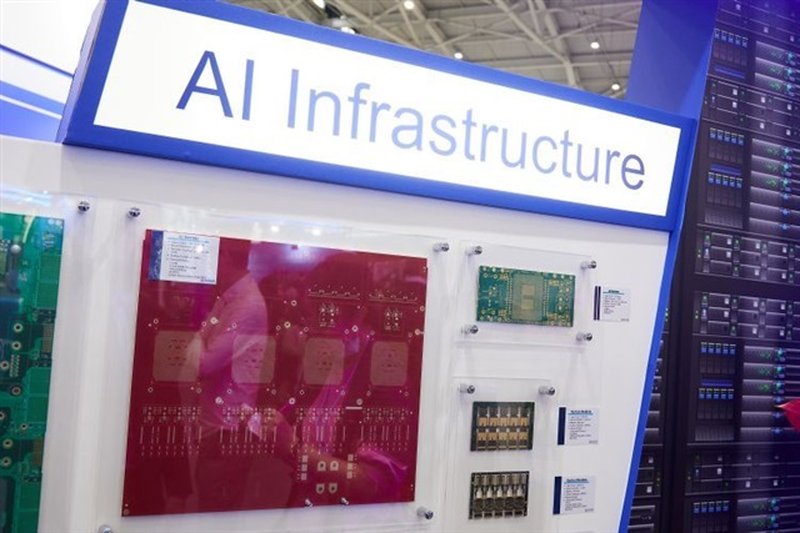
China Resources Microelectronics (CR Micro), a significant player in the Chinese semiconductor landscape, has announced a strategic focus on the artificial intelligence server market. This decision reflects the growing demand for specialized hardware capable of handling the complex workloads required by Large Language Models (LLM) and other advanced AI applications. The company intends to position itself in this critical sector through the adoption of innovative packaging technologies, specifically Panel Level Packaging (PLP).
The AI server market is rapidly expanding, driven by the need for ever-increasing computing power for training and inference of complex models. For companies evaluating on-premise deployments, selecting the right hardware is fundamental, directly influencing the Total Cost of Ownership (TCO), energy efficiency, and rack density. The entry of new players and innovation in chip manufacturing technologies are key elements for the evolution of this ecosystem.
The Advantage of Panel Level Packaging (PLP)
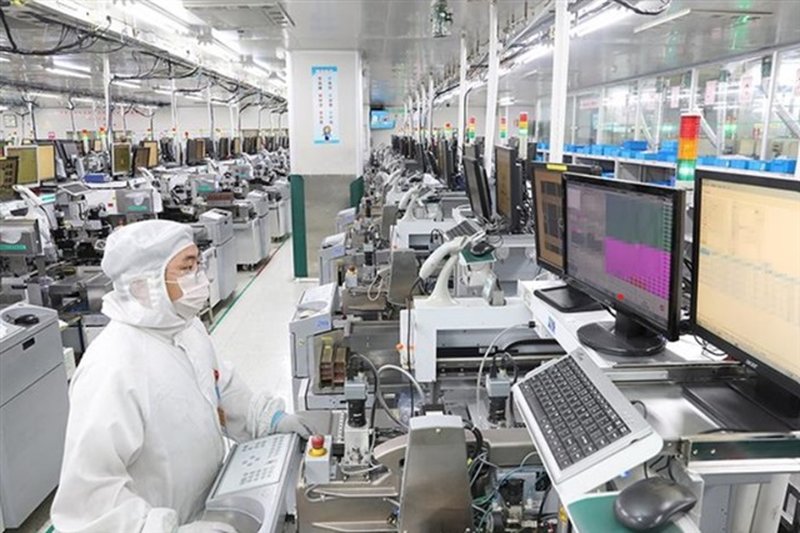
At the core of CR Micro's strategy is the use of Panel Level Packaging (PLP). This technology represents an evolution from traditional wafer-based packaging methods (Wafer Level Packaging, WLP). While WLP processes chips on circular wafers, PLP utilizes rectangular substrates or "panels," similar to those used in display manufacturing. This approach allows for maximum material utilization, reducing waste and potentially lowering per-unit production costs.
For AI chips, which often feature larger sizes and complex interconnection requirements, PLP offers several advantages. It enables higher integration density, facilitating the creation of multi-chip modules and improving heat dissipation, which are crucial aspects for the performance and reliability of AI accelerators. More efficient packaging can translate into greater computing power per unit volume and improved energy efficiency, both critical factors for AI server infrastructure.
Implications for On-Premise Deployments
Innovation in packaging, such as that proposed by CR Micro with PLP, has direct implications for organizations opting for on-premise AI deployments. The ability to obtain denser and more performant chips at potentially lower costs can reduce the overall TCO of a self-hosted AI infrastructure. More compact servers with better thermal management mean less data center space occupied, lower energy consumption, and consequently, reduced operational costs.
For companies prioritizing data sovereignty, regulatory compliance, or the need for air-gapped environments, optimized hardware is a fundamental pillar. The availability of efficient components from various suppliers, including those innovating in packaging, expands options for CTOs and infrastructure architects. This enables the construction of robust and scalable local stacks, maintaining full control over data and the inference and training processes of their LLMs. For those evaluating the trade-offs between on-premise and cloud solutions, AI-RADAR offers analytical frameworks on /llm-onpremise to support these strategic decisions.
Future Prospects in the AI Semiconductor Market
CR Micro's commitment to PLP packaging for AI servers underscores a broader trend in the semiconductor industry: innovation is no longer limited solely to silicon design but extends significantly to manufacturing and packaging processes. As performance requirements for AI continue to grow, the ability to integrate more transistors into smaller spaces and effectively manage heat will become increasingly critical.
This evolution brings with it a series of trade-offs. While PLP promises greater efficiency and potentially lower costs at scale, the adoption of new packaging technologies can present initial challenges in terms of manufacturing complexity and integration into existing pipelines. However, competition in this segment is a powerful driver for innovation, offering tech decision-makers an ever-expanding range of hardware solutions to address the challenges of modern AI workloads.




💬 Comments (0)
🔒 Log in or register to comment on articles.
No comments yet. Be the first to comment!