The latest casualty of the shortage: DDR2
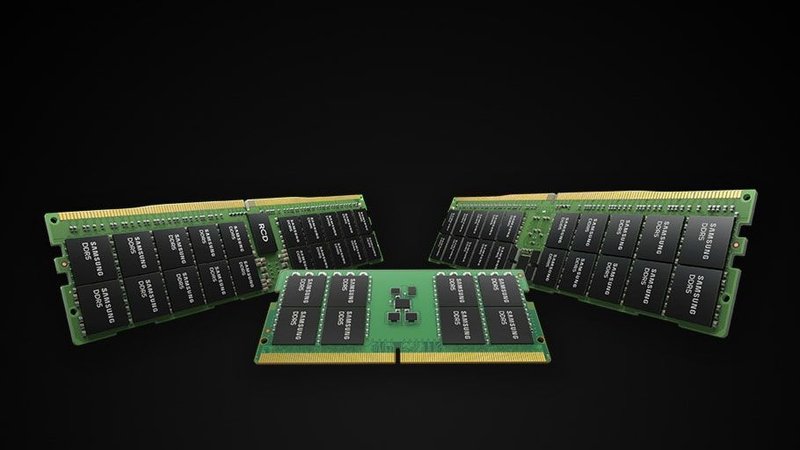
When we talk about memory and artificial intelligence, attention is inevitably captured by HBM, GDDR6X, and the memory stacks powering the most powerful GPUs. Yet, the global DRAM shortage triggered by AI has just struck an unexpected target: DDR2 modules, a standard introduced in 2003 and astonishingly still in production. According to market readings, prices for these memories have jumped by up to 60% in recent weeks, dragged by the wafer hunger of the most advanced manufacturing lines.
A memory that refuses to age
DDR2 was for years the backbone of desktop PCs and entry-level servers, but today it survives in very specific niches: industrial controllers, network appliances, medical embedded systems and — critically for those managing on-premise infrastructure — legacy servers that continue to run non-critical workloads. Replacing these machines is not always straightforward: they are often paired with certified software or hardware interfaces that are difficult to migrate. As a result, DDR2 production, although limited to a few lines, was never abandoned.
The deadly embrace of HBM
The root of the price hike lies in the massive reallocation of manufacturing capacity by the major DRAM makers. Samsung, SK hynix, and Micron are converting production lines to meet demand for high-bandwidth memory (HBM3e and beyond), essential for training and inference GPUs. Wafers destined for legacy DRAM, such as DDR2 and partially DDR3, become marginal, creating bottlenecks and price spikes. This is not just a matter of raw material costs: it is a domino effect starting from AI data centers and propagating to the shelves of industrial spare parts.
Practical impact for on-premise managers
For companies maintaining on-prem servers with DDR2 memory, the message is clear: maintenance costs are rising fast. A 2GB module that until a few months ago cost a handful of dollars may now demand an unexpected outlay. From a Total Cost of Ownership (TCO) perspective, the price increase might tip the balance toward a hardware refresh, but even newer platforms are not immune: DDR5, now the standard for AI-ready servers, is feeling the overall semiconductor pressure. Those considering the switch to more modern systems must factor in longer lead times and still high prices for next-generation DRAM.
This is not simply a problem of “old” versus “new”. The real issue is the fragility of a supply chain in which AI acts like a magnet, draining resources from every other segment. For IT managers, the signal is to closely monitor supply contracts and, where possible, diversify sourcing to avoid being trapped in a crisis that, starting from GPUs, is now redrawing the entire geography of memory.





💬 Comments (0)
🔒 Log in or register to comment on articles.
No comments yet. Be the first to comment!