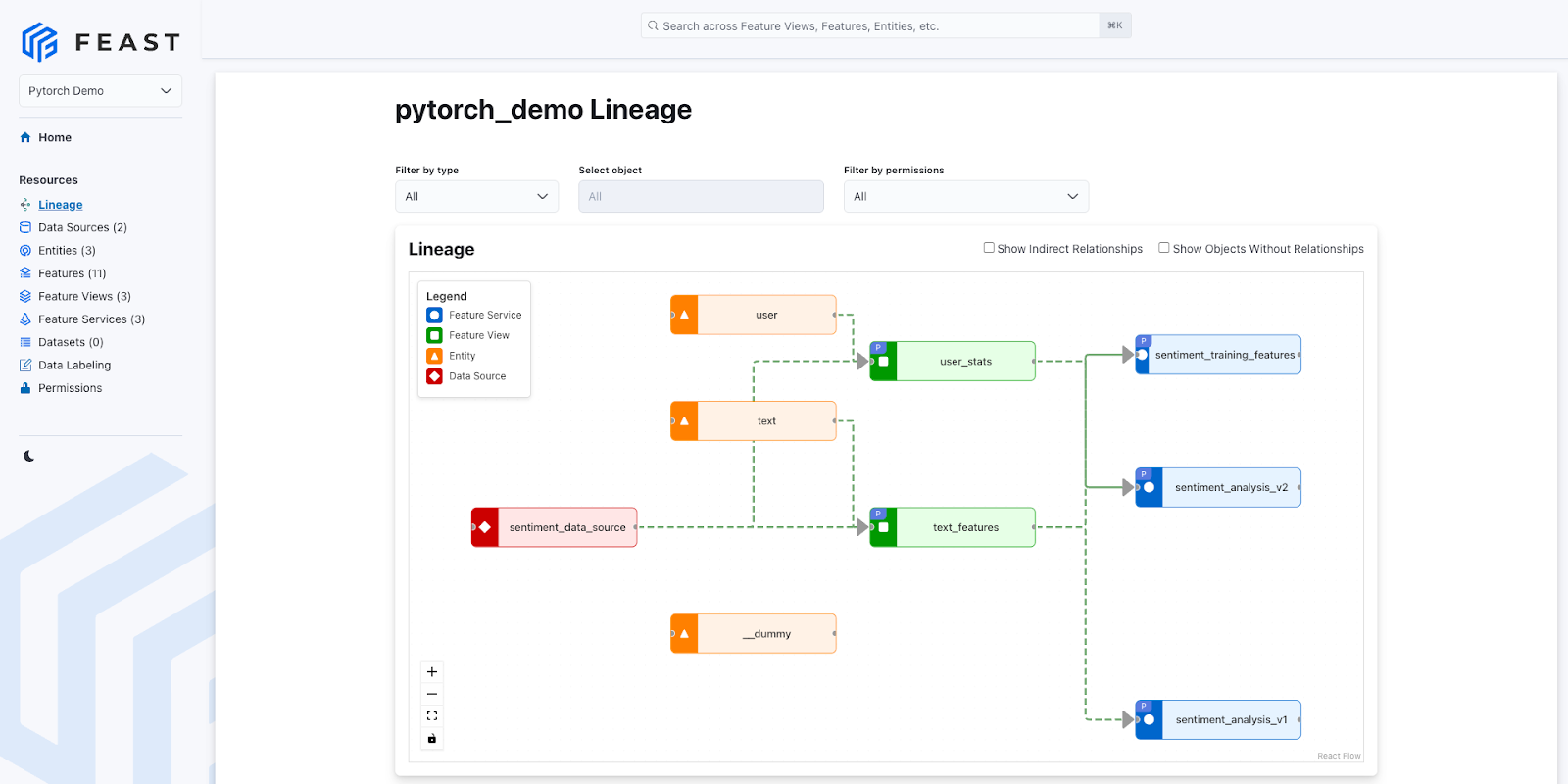
L'integrazione di Feast nell'ecosistema PyTorch promette di semplificare notevolmente il passaggio dei modelli di intelligenza artificiale dalla fase di sviluppo all'implementazione in produzione. Feast, una piattaforma open source per la gestione dei dati (feature store), si unisce ufficialmente all'ecosistema PyTorch, con l'obiettivo di colmare il divario tra la modellazione avanzata e le infrastrutture dati robuste.
Eliminare le incongruenze nei dati
Uno dei problemi principali nell'implementazione dei modelli AI è la cosiddetta "training-serving skew", ovvero l'incongruenza dei dati tra l'ambiente di training e quello di produzione. Feast punta a risolvere questo problema, assicurando che i modelli ricevano le stesse trasformazioni dei dati sia in fase di training che di utilizzo reale.
Funzionalità chiave di Feast
Feast offre un'API unificata per definire, archiviare e servire i dati, facilitando la transizione tra offline (training) e online (serving). Tra le sue caratteristiche principali:
- Definizioni dichiarative delle feature: definizione unica, utilizzo coerente.
- Correttezza temporale: previene la perdita di dati gestendo lo storico delle feature.
- Architettura modulare: si adatta all'infrastruttura esistente.
- Serving a bassa latenza: feature pre-calcolate per un recupero rapidissimo.
- API Python-first: integrazione fluida con PyTorch e pipeline MLOps.
Esempio pratico: analisi del sentiment
Per dimostrare l'integrazione, viene fornito un esempio di analisi del sentiment che utilizza Hugging Face Transformers, dati di testo sintetici e Feast. La demo mostra come Feast gestisce le feature in modo coerente dal training all'inferenza in tempo reale.
Vantaggi dell'integrazione
L'integrazione di Feast nell'ecosistema PyTorch offre numerosi vantaggi:
- Elimina la training-serving skew.
- Accelera il rilascio dei modelli.
- Abilita il riutilizzo delle feature tra team.
- Supporta workflow AI avanzati (RAG).
- Fornisce governance di livello enterprise.
Adozione e impatto
Feast è già utilizzato da aziende come NVIDIA e Shopify per applicazioni AI in diversi settori, dall'e-commerce ai servizi finanziari. I casi d'uso includono la personalizzazione in tempo reale, l'AI finanziaria e le applicazioni RAG.
Primi passi
Per iniziare a utilizzare Feast con PyTorch:
- Visita il sito web di Feast.
- Consulta la documentazione.
- Esplora il repository GitHub.
- Unisciti alla community.




💬 Commenti (0)
🔒 Accedi o registrati per commentare gli articoli.
Nessun commento ancora. Sii il primo a commentare!