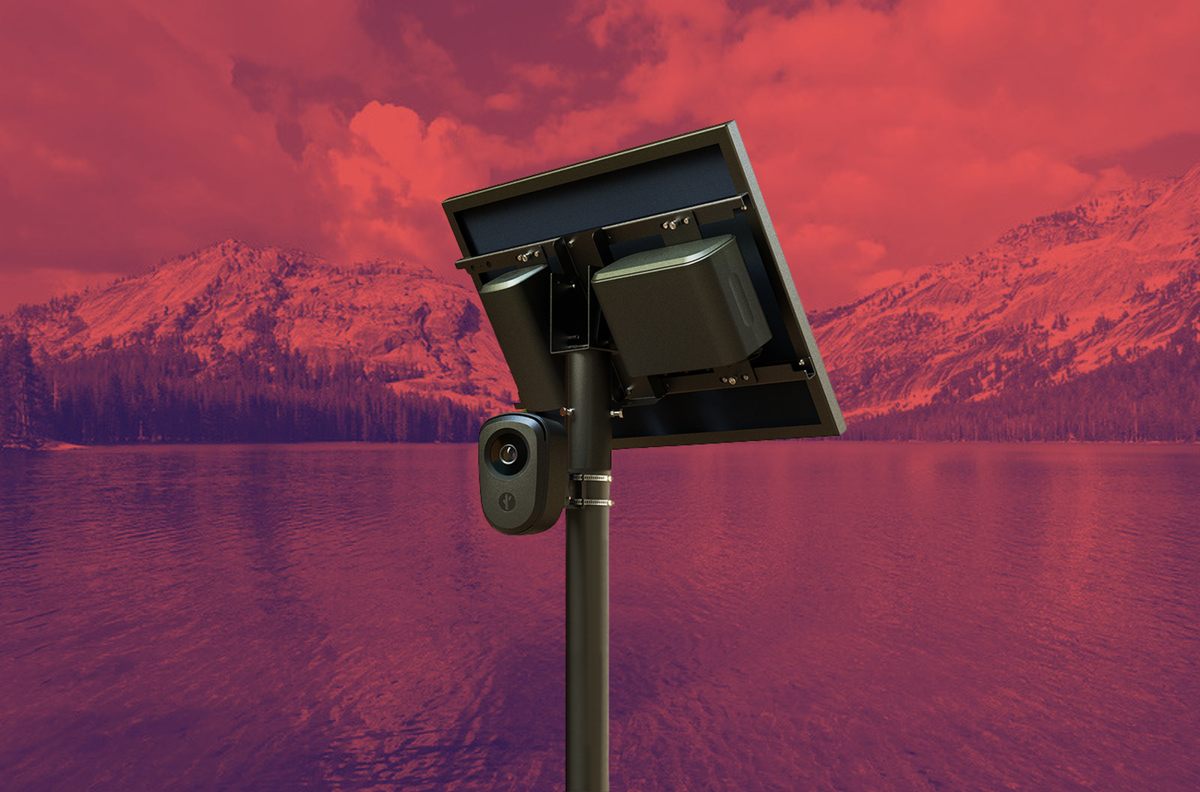
Yosemite is no longer just a problem of managing visitor flows. It has become the place where automated license plate surveillance, presented as a tool for estimating entrance wait times, meets Flock’s national network and its queries by law enforcement. Some current and former National Park Service rangers are blunt: they see the infrastructure as an invasion of privacy and a betrayal of the public nature of the parks.
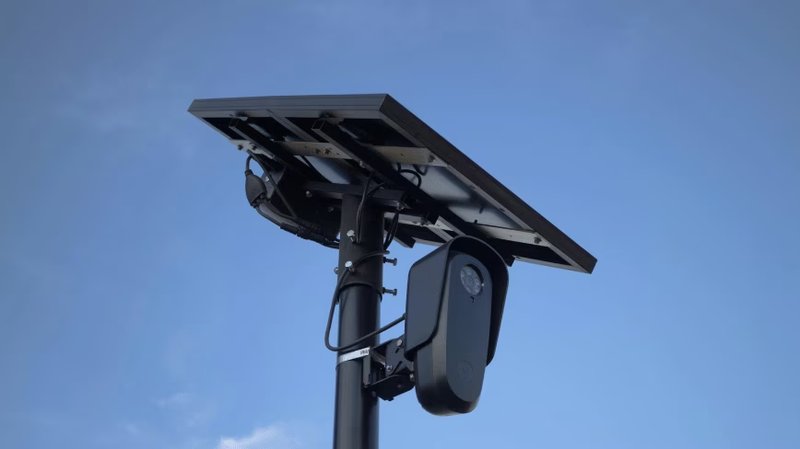
Flock cameras do more than read plates. They continuously scan the license plate, color, model, make and other identifying features of every passing vehicle, creating a timestamped record of where a vehicle was at a given time — and, by extension, where a person was. That data flows into the company’s platform and is usually queried by police without a warrant. Many cameras are part of a national network: an officer in Texas can search for a vehicle and pull footage from across the country.
One current NPS ranger told 404 Media anonymously because they weren’t permitted to speak to the press: “Flock protects property, not people or parks. People should be free to recreate in ways that are respectful to the ecosystem — but the surveillance is a disrespectful invasion of privacy.” Another current ranger said: “Every American should be free to visit our national parks without their location being traced and tracked by the federal government.” A former ranger added that if the public knew public lands were being surveilled, they would push back.
The National Park Service rejects that framing. In a statement to 404 Media, the agency says Yosemite uses a traffic-monitoring system to measure vehicle counts, travel times and entrance-station wait times. The cameras, it says, are not connected to law enforcement or DMV databases. That is precisely the unresolved point: in Flock’s architecture, the line between traffic counting and surveillance is set by access policies and integrations, not by the sensor in the field. The same camera that counts cars can produce a queryable archive of movement.
The picture extends beyond Flock. A letter from Michael Donato, acting deputy superintendent of National Capital Parks - East, indicates the NPS plans to install Verkada cameras, a controversial company with a history of abusing its own products and whose devices sometimes include facial detection capabilities. The letter says some parks already have United States Park Police Flock cameras for license plate recognition, while Verkada cameras will provide LPR where they don’t. That shifts the story from a single park to a broader normalization of multiple vendors and multiple layers of collection.
The Flock story in national parks is not only about visitor privacy. It shows how a public agency can adopt sensor networks in which the boundary between operational analytics and investigative surveillance is decided by contracts and configurations rather than hardware. That lesson applies to anyone evaluating on-premise or cloud data platforms: without control over queries, retention and audit, data ownership becomes an illusion. AI-RADAR examines similar trade-offs in its /llm-onpremise analysis because the underlying question is the same — who can query the system and for what purpose.
According to the open source map DeFlock, another Flock camera sits on a road toward the Golden Gate National Recreation Area. So this is not only Yosemite. The Verkada plan adds another layer: systems with facial detection capabilities enter the same decision-making perimeter where rangers fear even a plate-reading error could turn into an armed stop.
One ranger points to the El Capitan flag rule change at Yosemite, saying the park tried to backdate the change to make people appear to have committed a crime. “What happens when that sort of malfeasance is combined with the ability to track any park visitor's location, anywhere in the country?” The question is not rhetorical. It introduces a third-order risk: traffic infrastructure becomes a base for police decisions and creates a chilling effect on access to public land.
The ranger adds a concrete fear: the day a visitor is pulled over and held at gunpoint because a license plate reader misread their plate. No need to imagine scenarios: reported abuses of Flock access, including lookups for ICE, are already part of the national debate. For parks, the issue is trust. If vehicle counting cannot be separated from federal surveillance, the cost will be not only privacy but the meaning of public space.






💬 Comments (0)
🔒 Log in or register to comment on articles.
No comments yet. Be the first to comment!