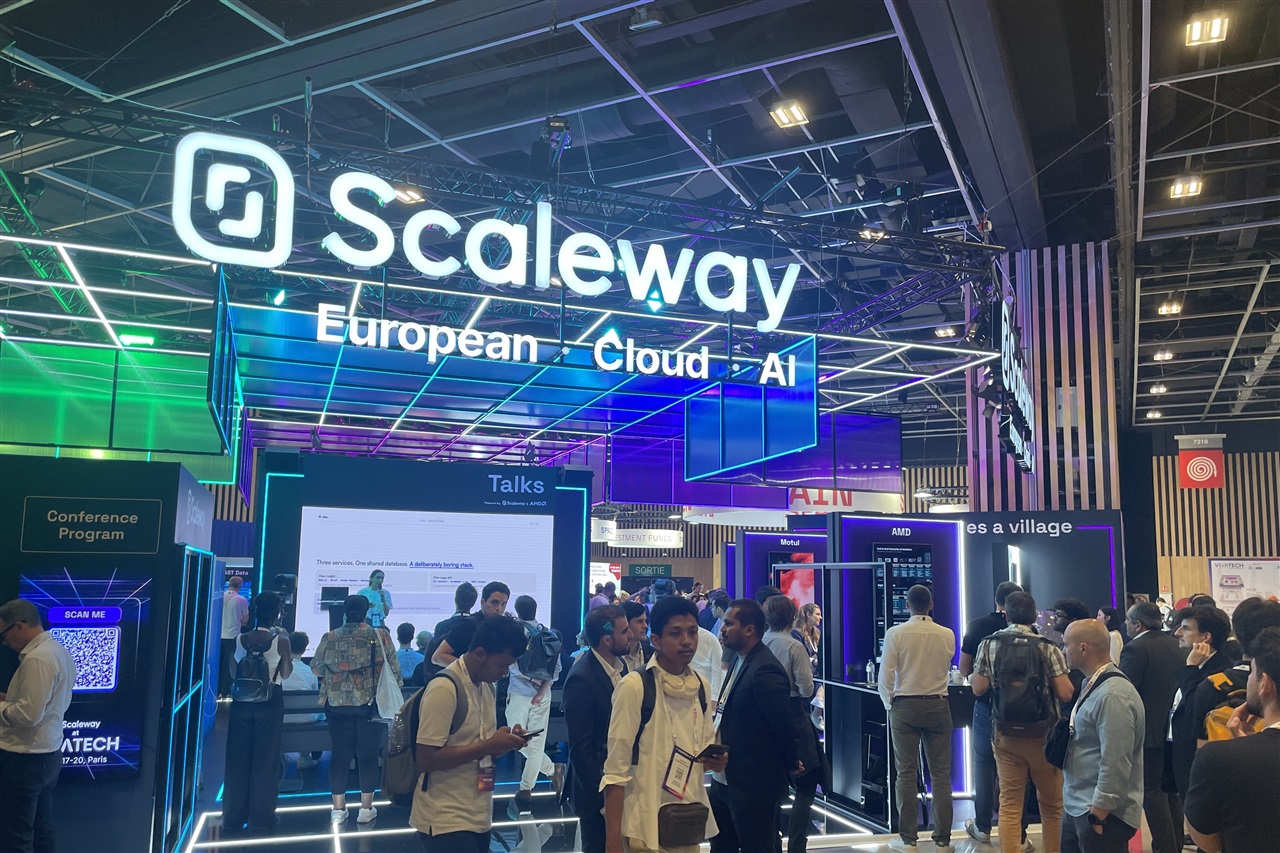
Behind the rhetoric of digital sovereignty, Europe is discovering that writing rules is easier than finding silicon. The AI infrastructure gap cannot be bridged by legislation alone, because the real cost of hardware – GPUs, interconnects, cooling – remains a multiplier of inequality that political discourse struggles to acknowledge.
When supply dictates pace
At the core of the problem is the availability of advanced compute units. The GPUs needed to train and run LLMs at scale are concentrated among a few suppliers, largely outside the continent. This creates a supply chain dependency that translates into inflated prices and long lead times, especially for organizations trying to build on-premises clusters. In such a scenario, the choice between cloud and self-hosted is not merely architectural: it is financial. The CapEx for a node capable of low-latency inference can become unsustainable for research centers or SMEs, pushing them toward external services and thus relinquishing direct control over data.
Policies that barely touch the iron
The EU has produced an imposing body of regulations, from the AI Act to data residency guidelines. Yet these norms operate on the legal plane, not the physical one. They define what is permissible, not how many teraflops are available. For those in regulated sectors – healthcare, defense, finance – the requirement to keep data local demands on-site machines, and there the cost gap becomes an abyss. The challenge is not just buying hardware: powering it requires energy density and cooling systems often absent in edge data centers, adding further pressure on TCO.
The view for those who cannot delegate
For teams evaluating on-premise deployment, the math is straightforward. On one side, a local cluster promises granular control over latency, privacy, and fine-tuning flexibility. On the other, the cost per tens of GPUs with enough VRAM to load models in FP16 precision shows no sign of dropping. This tension is reflected in quantization choices: moving to INT8 or INT4 saves memory but sacrifices accuracy in critical contexts. There is no single yardstick for the trade-off; each organization must map its workload, compliance, and budget requirements, knowing that Europe offers no shortcuts on this front.
Beyond the rhetoric: which path for infrastructure
The lack of a continental supply chain for key components cannot be solved with horizontal funding calls. The concrete risk is that the continent remains an AI consumer rather than a producer, with repercussions ranging from public research to industrial competitiveness. Those building on-premise stacks today must navigate non-EU suppliers and strict regulations, often with compliance costs that exceed hardware prices. In this landscape, the debate shifts from pure compute capacity to ecosystem resilience: building skills, aggregating demand, investing in shared infrastructure. Policy can support, but without acknowledging the real costs, the gap will remain unbridgeable.









💬 Comments (0)
🔒 Log in or register to comment on articles.
No comments yet. Be the first to comment!