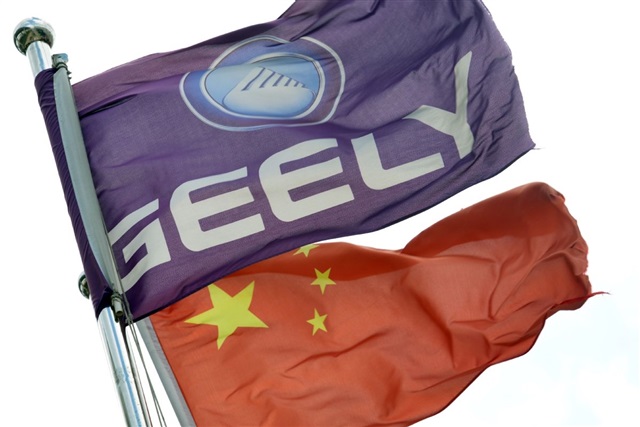
Geely sfida Toyota nel mercato ibrido con la sua tecnicia i-HEV basata su AI
Il panorama automobilistico globale è in continua evoluzione, con i costruttori che cercano costantemente nuove vie per innovare e guadagnare quote di mercato. In questo contesto, Geely, un attore di spicco nell'industria automobilistica, ha annunciato il lancio del suo sistema i-HEV, una tecnicia ibrida che integra l'intelligenza artificiale. L'obiettivo dichiarato è quello di affrontare direttamente la leadership di lunga data di Toyota nel segmento dei veicoli ibridi, un settore in cui il colosso giapponese ha stabilito standard elevati per efficienza e affidabilità.
Questa mossa di Geely non è solo un tentativo di competere sul fronte dell'efficienza del carburante, ma rappresenta anche un'indicazione chiara della crescente importanza dell'AI come fattore differenziante nei veicoli moderni. L'integrazione dell'AI promette di portare nuove capacità di ottimizzazione e gestione, elementi cruciali per il successo nel mercato ibrido.
L'intelligenza artificiale nei sistemi ibridi: implicazioni tecniche
Quando si parla di un sistema "AI-powered" in un veicolo ibrido, si fa riferimento a un'ampia gamma di possibili applicazioni. L'AI può essere impiegata per ottimizzare in tempo reale la transizione tra motore a combustione interna ed elettrico, gestire in modo più efficiente la ricarica e lo scaricamento della batteria, o persino prevedere le condizioni di guida e il traffico per massimizzare l'efficienza energetica. Algoritmi di machine learning possono analizzare i dati di guida per adattare il comportamento del sistema ibrido alle abitudini del conducente e alle condizioni ambientali.
L'implementazione di tali capacità richiede un'infrastruttura di inference AI a bordo veicolo, spesso definita "edge AI". Questo significa che i modelli di intelligenza artificiale devono essere eseguiti direttamente sull'hardware del veicolo, piuttosto che affidarsi a connessioni cloud costanti. I requisiti per l'hardware in questo contesto sono stringenti: processori efficienti, memoria sufficiente per i modelli (anche con tecniche di Quantization), bassa latenza per risposte in tempo reale e robustezza per operare in ambienti difficili. Per i produttori, la scelta tra diverse architetture di silicio e l'ottimizzazione del software sono decisioni chiave che impattano il TCO e le prestazioni finali.
Contesto competitivo e sfide di deployment
La sfida di Geely a Toyota nel mercato ibrido è significativa, data la profonda esperienza e la vasta base installata del produttore giapponese. Tuttavia, l'introduzione dell'AI potrebbe offrire a Geely un vantaggio competitivo, permettendo di superare le prestazioni tradizionali attraverso una gestione più intelligente delle risorse. Per i team di ingegneria e DevOps che lavorano su questi sistemi, le decisioni di deployment diventano cruciali.
L'adozione di soluzioni AI self-hosted o edge nei veicoli comporta considerazioni importanti. La sovranità dei dati, ad esempio, è un aspetto fondamentale, specialmente quando si raccolgono e si elaborano dati di guida o personali. Assicurare che i dati rimangano all'interno del veicolo o siano gestiti secondo normative specifiche (come il GDPR) è una priorità. Inoltre, la gestione degli aggiornamenti dei modelli AI e del software in un parco veicoli distribuito richiede pipeline di deployment robuste e sicure. Per chi valuta deployment on-premise o edge, esistono framework analitici che possono aiutare a valutare i trade-off tra costi iniziali (CapEx), costi operativi (OpEx), consumo energetico e requisiti di performance, come quelli discussi su /llm-onpremise.
Prospettive future per l'AI nel settore automobilistico
L'iniziativa di Geely sottolinea una tendenza più ampia nel settore automobilistico: l'AI non è più limitata ai sistemi di guida autonoma, ma sta permeando ogni aspetto del design e della funzionalità del veicolo. Dalla gestione del powertrain all'interfaccia utente, l'intelligenza artificiale promette di rendere i veicoli più efficienti, sicuri e personalizzati.
La capacità di eseguire inference AI in modo efficiente a bordo veicolo sarà un fattore determinante per il successo futuro. Questo spinge l'innovazione nell'hardware dedicato (come i chip specifici per l'AI) e nello sviluppo di modelli più compatti e ottimizzati. Mentre Geely cerca di ritagliarsi una fetta del mercato ibrido con la sua tecnicia AI-powered i-HEV, il settore nel suo complesso si prepara a un'era in cui l'intelligenza artificiale sarà un componente indispensabile, ridefinendo le aspettative dei consumatori e le strategie dei produttori.






💬 Commenti (0)
🔒 Accedi o registrati per commentare gli articoli.
Nessun commento ancora. Sii il primo a commentare!