
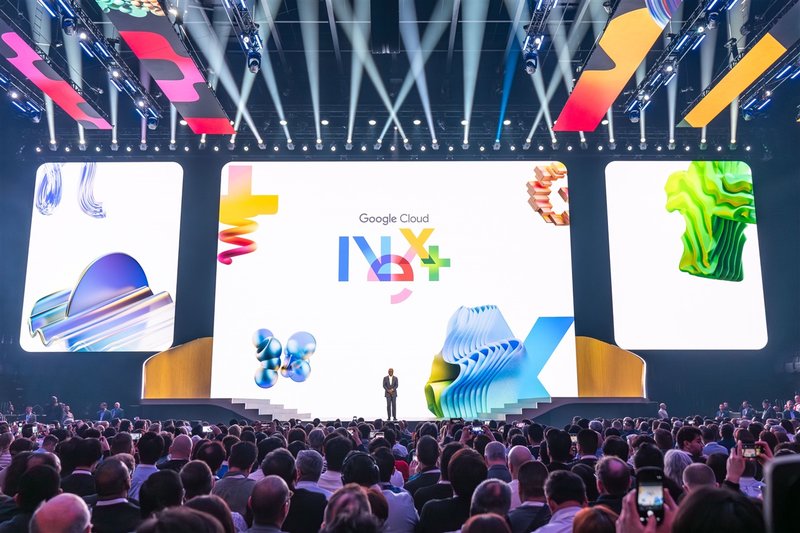
I Large Language Models che dominano il mercato dell’intelligenza artificiale sono bravissimi con le parole e sorprendentemente inaffidabili con i numeri. Chiunque abbia provato a fargli risolvere un’equazione differenziale o un problema di ottimizzazione numerica lo sa: la statistica del linguaggio non basta quando servono precisione e rigore matematico. Google Cloud, con l’ultima mossa, lo ammette apertamente, decidendo di vendere sul proprio marketplace modelli specialistici costruiti apposta per la scienza.
Fuori dal dominio delle parole
L’azienda ha annunciato l’integrazione dei “large quantitative models” (LQM) sviluppati da SandboxAQ, realtà nata da uno spin-off di Alphabet. Questi modelli non sono semplici varianti degli LLM, ma architetture progettate per digerire equazioni, dati di laboratorio e simulazioni fisiche. L’obiettivo è affiancarli a Gemini, il modello generalista di Google, per coprire quei domini dove la sola comprensione del linguaggio non basta. Si tratta di un segnale importante: la corsa all’AI generativa sta spingendo verso una specializzazione verticale, in cui il “one model to rule them all” cede il passo a famiglie di modelli ottimizzati per compiti specifici.
I LQM non sono modelli linguistici mascherati: lavorano su rappresentazioni quantitative, sono addestrati su dataset numerici eterogenei e possono affrontare problemi di chimica computazionale, scienza dei materiali o fluidodinamica. Non generano testo, ma previsioni quantitative. Questo cambia radicalmente il profilo di carico computazionale: non si parla più soltanto di token al secondo, ma di operazioni in virgola mobile ad alta precisione, spesso con requisiti di memoria e banda che ricordano più i supercomputer che i server per inference di LLM.
Il nodo del deployment: cloud vs on-premise
L’ingresso di questi modelli nel marketplace di Google Cloud rende immediatamente disponibile una capacità computazionale prima accessibile solo a laboratori con infrastrutture HPC dedicate. Ma per molte organizzazioni scientifiche, l’elaborazione cloud solleva questioni irrisolte. Dati sperimentali, proprietà intellettuale su nuovi materiali, simulazioni legate a progetti sensibili: in questi contesti, la sovranità dei dati non è negoziabile. Il regolamento GDPR e normative simili impongono vincoli stringenti sulla localizzazione, mentre i costi di trasferimento e storage possono far lievitare il TCO in modo imprevedibile.
Chi valuta un deployment on-premise per modelli scientifici deve però fare i conti con un hardware non convenzionale. Non bastano le GPU consumer o le workstation standard: servono acceleratori con FP64 nativa, ampia VRAM, interconnessioni veloci e spesso storage parallelo per dataset da terabyte. Il divario tra il costo di una licenza cloud e quello di un cluster locale è tutto da calcolare, considerando CapEx iniziali, consumi energetici e competenze necessarie per orchestrare pipeline complesse. La decisione non è mai solo tecnicica, ma strategica.
Un mercato che si articola
La mossa di Google Cloud e SandboxAQ mostra che l’ecosistema AI sta maturando oltre la bolla dei chatbot. La richiesta di strumenti per la ricerca scientifica spinge i vendor a offrire modelli alternativi, integrabili con API standard ma fondati su matematica diversa. Per i team che lavorano su simulazione, drug discovery o modellazione climatica, l’arrivo dei LQM su un marketplace cloud rappresenta un’opzione in più, ma non elimina la necessità di valutare con attenzione dove far girare i carichi di lavoro. Il dibattito tra flessibilità del cloud e controllo on-premise, qui più che altrove, è destinato a rimanere aperto.






💬 Commenti (0)
🔒 Accedi o registrati per commentare gli articoli.
Nessun commento ancora. Sii il primo a commentare!