
L'annuncio di Google a IO 2026
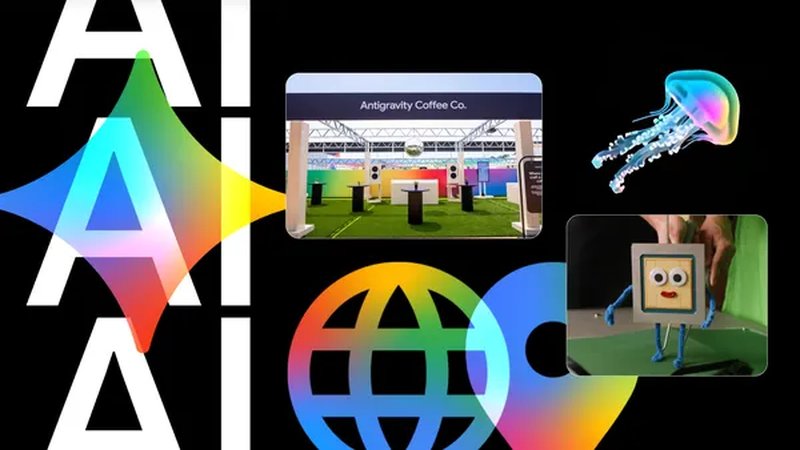
Durante la conferenza IO 2026, Google ha dichiarato la propria intenzione di affermarsi come un attore di primo piano nel campo del design di soluzioni basate sull'intelligenza artificiale. Questo annuncio segna un passo significativo nella strategia dell'azienda, che mira a consolidare la propria posizione in un settore in rapida evoluzione e sempre più competitivo.
La mossa di Google riflette una chiara ambizione di non limitarsi allo sviluppo di modelli e Framework, ma di estendere la propria influenza anche alla creazione di esperienze utente intuitive e funzionali, capaci di portare il valore dell'AI direttamente nelle mani degli utenti finali. Tale approccio evidenzia una visione che va oltre la mera potenza computazionale, concentrandosi sull'usabilità e sull'impatto pratico delle tecnicie AI.
Un'applicazione AI per un pubblico ampio
Al centro dell'annuncio vi è la presentazione di un'applicazione progettata per essere accessibile a un'ampia platea di utenti. Google ha specificato che lo strumento è pensato per soddisfare le esigenze di diverse categorie professionali e personali, inclusi docenti e piccoli imprenditori. Questa enfasi sull'accessibilità universale suggerisce un tentativo di superare le barriere tecniche che spesso limitano l'adozione di soluzioni AI avanzate.
La sfida di rendere l'intelligenza artificiale comprensibile e utilizzabile da chiunque, indipendentemente dalle proprie competenze tecniche, è complessa. Richiede un'attenta progettazione dell'interfaccia utente, una semplificazione dei processi sottostanti e la capacità di tradurre funzionalità complesse in azioni intuitive. L'obiettivo è permettere a un pubblico non specialistico di sfruttare il potenziale dell'AI per migliorare la produttività, l'apprendimento o la gestione aziendale, senza la necessità di conoscenze approfondite di machine learning o programmazione.
Implicazioni per l'infrastruttura e il deployment
La promessa di un'AI accessibile a tutti comporta requisiti infrastrutturali notevoli. Per supportare un'applicazione destinata a un pubblico così vasto, è essenziale disporre di un'infrastruttura di backend estremamente scalabile e robusta, capace di gestire carichi di lavoro di Inference elevati e garantire un Throughput costante. Questo implica investimenti significativi in risorse computazionali, che possono spaziare da data center cloud distribuiti a soluzioni ibride.
Per le aziende che valutano l'adozione di soluzioni AI su larga scala, la scelta tra deployment cloud e self-hosted on-premise presenta trade-off distinti. Mentre il cloud offre scalabilità e flessibilità, le implementazioni on-premise possono garantire maggiore controllo sulla sovranità dei dati, sulla compliance normativa e, in alcuni scenari, un TCO più vantaggioso a lungo termine per carichi di lavoro prevedibili e intensivi. AI-RADAR si concentra proprio sull'analisi di questi vincoli e opportunità per chi valuta stack locali e hardware per l'inference e il training, fornendo Framework analitici per decisioni informate.
La visione di Google per l'AI
L'iniziativa di Google a IO 2026 si inserisce in una tendenza più ampia di democratizzazione dell'intelligenza artificiale. Rendere l'AI uno strumento quotidiano per un pubblico non tecnico può accelerare l'innovazione in settori diversi, dalla didattica alla gestione delle piccole imprese, dove l'automazione e l'analisi intelligente possono generare un impatto significativo.
Questa strategia non solo mira a espandere la base utenti di Google, ma anche a plasmare la percezione pubblica dell'AI, presentandola come una tecnicia abilitante e inclusiva. Il successo di tali applicazioni dipenderà dalla loro effettiva utilità e dalla capacità di Google di mantenere un equilibrio tra funzionalità avanzate e semplicità d'uso, elementi cruciali per l'adozione di massa nel panorama tecnicico futuro.







💬 Commenti (0)
🔒 Accedi o registrati per commentare gli articoli.
Nessun commento ancora. Sii il primo a commentare!