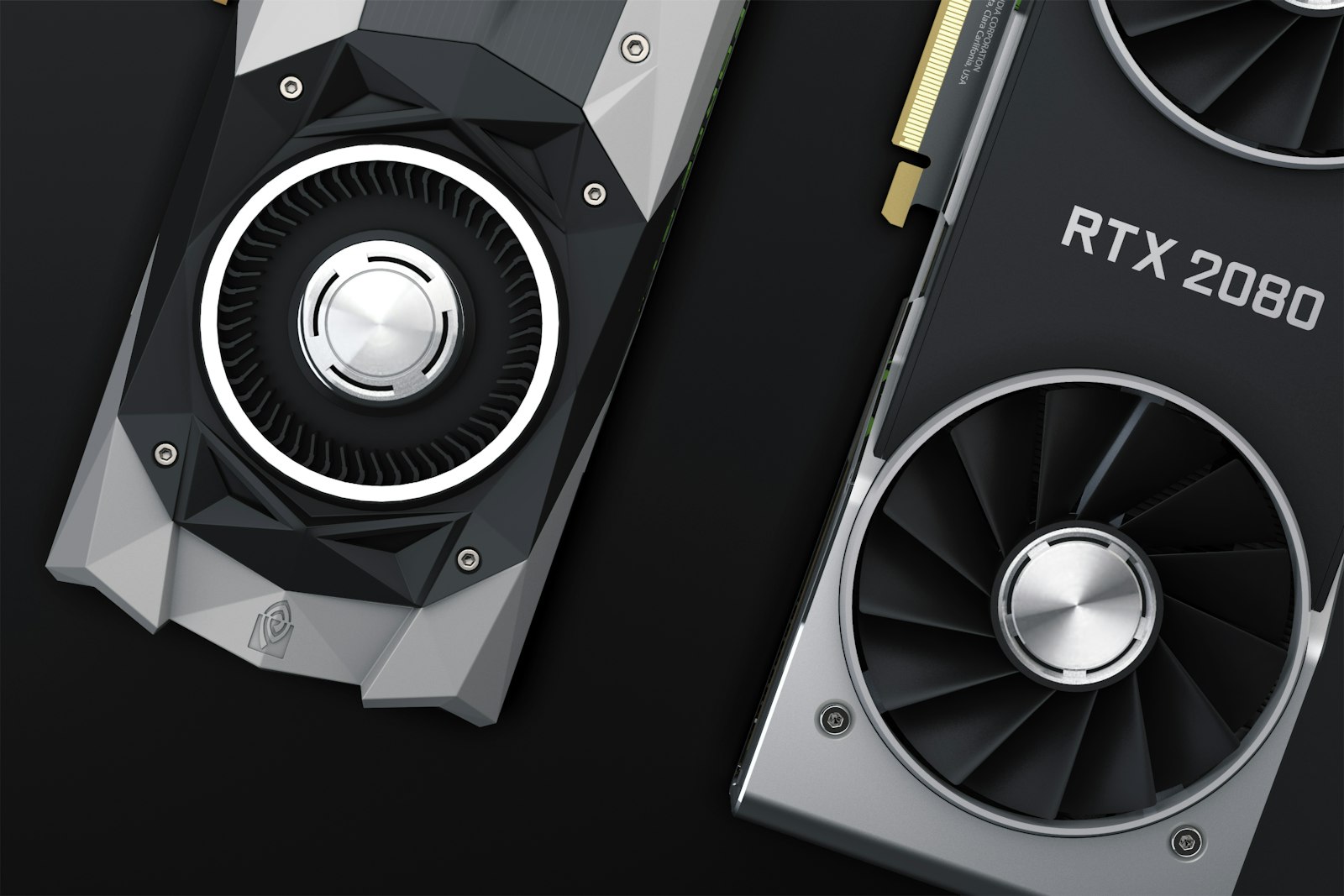
Hygon: 68% Revenue Jump Driven by AI and CPU-GPGPU Platform Expansion
The global technology landscape continues to be profoundly shaped by the rapid ascent of artificial intelligence, particularly Large Language Models (LLMs). In this context, Hygon, an emerging player in the hardware sector, has announced a significant increase in its revenues, with a 68% jump. This result is directly attributable to the growing and insatiable demand for AI-dedicated compute capacity, an unequivocal sign of the ongoing transformation in enterprise IT infrastructures.
Hygon's growth is not merely a financial statistic; it reflects a broader trend: companies are investing heavily in hardware capable of handling the intensive workloads required by AI. Whether it's training complex models or performing large-scale inference, the need for performant and specialized silicio has become a strategic priority for many organizations aiming to integrate AI into their operations.
Expanding the CPU-GPGPU Platform: An Integrated Approach
In response to this demand, Hygon is actively expanding its integrated CPU-GPGPU platform. This approach, which combines the general processing capabilities of Central Processing Units (CPUs) with the parallel computing power of General-Purpose Graphics Processing Units (GPGPUs), represents an increasingly relevant architectural solution for AI workloads. GPGPUs, in particular, are fundamental for accelerating operations like matrix multiplication, which are essential for training and executing LLMs.
An integrated platform offers several advantages, including greater efficiency in communication between CPUs and GPGPUs, reducing latencies and improving overall throughput. This is particularly critical for AI applications that require real-time responses or the processing of large volumes of data. Hygon's expansion of such an offering suggests a strategic vision aimed at providing comprehensive hardware solutions optimized for the specific needs of AI.
Implications for On-Premise Deployments and Data Sovereignty
Hygon's emphasis on an integrated CPU-GPGPU platform has significant implications for companies considering on-premise AI deployments. Opting for self-hosted solutions offers unprecedented control over infrastructure, data, and security. In an era where data sovereignty and regulatory compliance (such as GDPR) are absolute priorities, the ability to keep AI workloads within one's own data centers, potentially even in air-gapped environments, becomes a distinguishing factor.
Dedicated hardware platforms, like Hygon's, allow organizations to optimize the Total Cost of Ownership (TCO) in the long term, balancing initial investment (CapEx) with operational costs. Furthermore, they enable deep customization of the compute environment, adapting it to the specific VRAM, throughput, and latency requirements of the AI models used. For those evaluating on-premise deployments, AI-RADAR offers analytical frameworks on /llm-onpremise to assess the trade-offs between self-hosted and cloud solutions, considering aspects like performance, costs, and control.
The Future of AI Hardware: Diversification and Control
Hygon's expansion into the CPU-GPGPU platform sector underscores a clear trend in the AI hardware market: the pursuit of diversified and optimized solutions. While certain players dominate the GPGPU market, the emergence of alternatives and integrated platforms is crucial for stimulating innovation and offering greater choice to enterprises. This scenario fosters a more competitive ecosystem where companies can select the hardware that best aligns with their technical, economic, and governance requirements.
Ultimately, Hygon's growth and expansion strategy reflect the maturation of the AI market, where demand is not just for "more power," but for "smarter" and more controllable power. Deployment decisions, whether on-premise, hybrid, or edge, will increasingly be influenced by the availability of hardware platforms that guarantee performance, efficiency, and, above all, full mastery over one's digital assets and artificial intelligence models.







💬 Comments (0)
🔒 Log in or register to comment on articles.
No comments yet. Be the first to comment!