
L'avanzata dei player EMS taiwanesi nel settore automotive
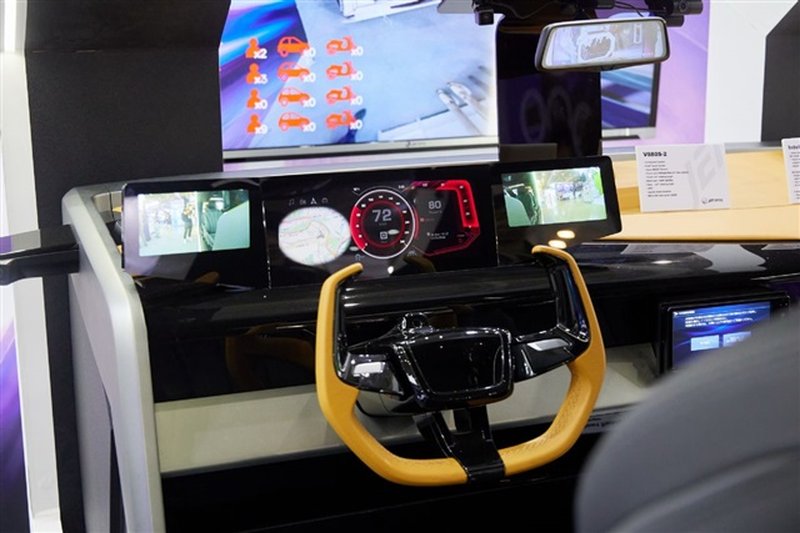
I principali attori taiwanesi nel settore dei servizi di produzione elettronica (EMS) stanno consolidando la loro posizione nel comparto automotive, con un'enfasi crescente sullo sviluppo di soluzioni di mobilità integrata. Questa strategia riflette una tendenza più ampia dell'industria, dove la convergenza tra elettronica avanzata, connettività e intelligenza artificiale sta ridefinendo il futuro dei trasporti. L'impegno di questi player non si limita alla produzione di componenti, ma si estende alla progettazione e all'integrazione di sistemi complessi che abilitano funzionalità innovative nei veicoli moderni.
La spinta verso la mobilità integrata implica una profonda trasformazione tecnicica, che va oltre la semplice fornitura di hardware. Richiede una comprensione approfondita delle esigenze del settore automobilistico, dalla sicurezza alla connettività, e una capacità di innovazione che possa supportare l'evoluzione verso veicoli sempre più autonomi e intelligenti. Per le aziende che valutano l'adozione di queste tecnicie, è fondamentale considerare l'intera pipeline di sviluppo e deployment, dalla fase di prototipazione all'implementazione su larga scala.
Il ruolo cruciale dell'AI nella mobilità del futuro
Al centro di queste soluzioni di mobilità integrata vi è l'intelligenza artificiale, che abilita una vasta gamma di funzionalità, dai sistemi avanzati di assistenza alla guida (ADAS) alla guida autonoma, dall'infotainment personalizzato alla manutenzione predittiva. L'elaborazione di grandi volumi di dati in tempo reale, generati da sensori, telecamere e radar, richiede capacità di calcolo significative. Questo include l'esecuzione di modelli di machine learning complessi, e in alcuni casi, anche Large Language Models (LLM) per interfacce utente più naturali o per l'elaborazione di comandi vocali sofisticati.
L'Inference di questi modelli, specialmente in contesti critici come la guida autonoma, deve avvenire con latenza estremamente bassa. Ciò impone requisiti stringenti sull'hardware, spesso richiedendo acceleratori dedicati con elevata VRAM e throughput. La necessità di elaborare dati sensibili, come quelli relativi al comportamento del conducente o alla posizione del veicolo, solleva inoltre questioni di privacy e sovranità dei dati, rendendo i deployment on-premise o edge una scelta preferenziale rispetto alle soluzioni basate esclusivamente su cloud pubblico.
Implicazioni per l'infrastruttura AI on-premise e edge
L'orientamento dei player EMS verso soluzioni di mobilità integrata con forte componente AI ha dirette implicazioni per le strategie di deployment dell'intelligenza artificiale. Per applicazioni automotive, la scelta di un'infrastruttura self-hosted o edge diventa spesso un imperativo. La latenza critica per le decisioni in tempo reale, la necessità di operare in ambienti air-gapped per motivi di sicurezza o la conformità a normative sulla protezione dei dati (come il GDPR) spingono verso architetture decentralizzate.
Questo scenario richiede investimenti in hardware robusto e specializzato, come GPU ad alte prestazioni con ampie quantità di VRAM, ottimizzate per carichi di lavoro di Inference. La valutazione del Total Cost of Ownership (TCO) diventa fondamentale, considerando non solo i costi iniziali (CapEx) ma anche quelli operativi (OpEx) legati a energia, raffreddamento e manutenzione. Per chi valuta deployment on-premise, AI-RADAR offre framework analitici su /llm-onpremise per valutare i trade-off tra performance, costo e controllo, fornendo un supporto decisionale per architetture bare metal o containerizzate.
Prospettive future e trade-off strategici
L'evoluzione del settore automotive, trainata dall'innovazione dei player EMS e dall'integrazione dell'AI, sottolinea la crescente importanza di strategie infrastrutturali ben definite. La capacità di sviluppare e rilasciare soluzioni di mobilità integrate dipenderà sempre più dalla disponibilità di un'infrastruttura AI flessibile, scalabile e sicura. Le aziende dovranno bilanciare la necessità di potenza di calcolo con i vincoli di costo, spazio e consumo energetico, specialmente in contesti edge dove le risorse sono limitate.
I trade-off tra performance e costo, tra flessibilità del cloud e controllo dell'on-premise, diventeranno ancora più evidenti. La spinta dei player taiwanesi nel settore automotive è un chiaro indicatore di come l'AI stia permeando ogni aspetto della nostra vita, richiedendo soluzioni infrastrutturali che garantiscano non solo efficienza ma anche sovranità e sicurezza. Per i CTO e gli architetti di infrastruttura, comprendere queste dinamiche è essenziale per prendere decisioni informate sui futuri deployment AI.









💬 Commenti (0)
🔒 Accedi o registrati per commentare gli articoli.
Nessun commento ancora. Sii il primo a commentare!