L'Innovazione Estetica nel Raffreddamento Hardware
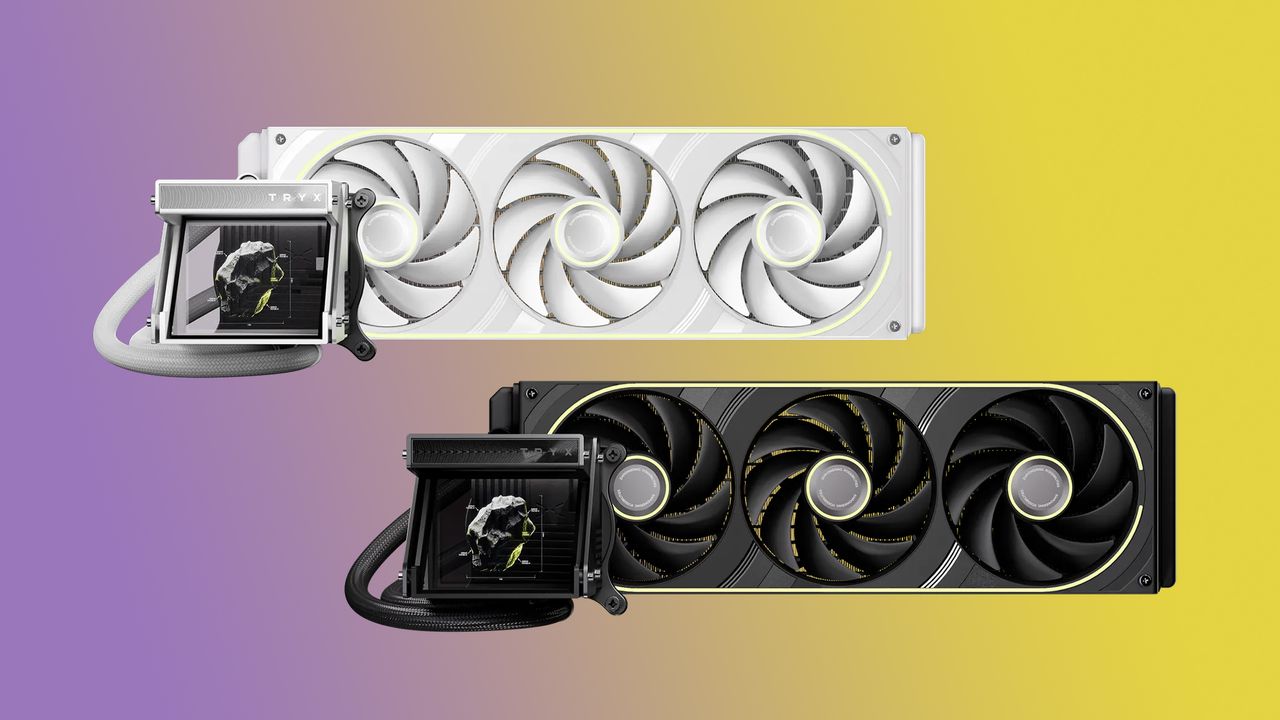
Il mercato dei componenti hardware continua a evolversi, non solo in termini di prestazioni pure, ma anche per quanto riguarda l'integrazione di elementi estetici e funzionali. In questo scenario, Tryx ha recentemente introdotto il suo dissipatore a liquido All-in-One (AIO) Holo 360. Questo nuovo prodotto si distingue per una caratteristica visiva inedita: un display olografico integrato direttamente nel blocco della pompa, disponibile nelle varianti di colore bianco e nero.
L'introduzione di elementi visivi così avanzati in un componente primariamente funzionale come un sistema di raffreddamento sottolinea una tendenza più ampia nel settore. Sebbene il focus principale di AI-RADAR sia sulle implicazioni per i carichi di lavoro AI e LLM, l'innovazione nell'hardware, anche a livello consumer, spesso prefigura o riflette progressi tecnicici che possono avere risvolti in ambiti più professionali, specialmente dove la gestione termica è critica.
Dettagli Tecnici e la Funzione del Raffreddamento
Il display olografico del Tryx Holo 360 non è un semplice schermo LCD, ma utilizza un sistema di beam splitter per creare un effetto tridimensionale all'interno del blocco pompa. Questa soluzione offre un impatto visivo distintivo, trasformando un componente solitamente nascosto in un punto focale estetico all'interno di un sistema. La tecnicia alla base, pur essendo applicata per scopi estetici, dimostra l'ingegneria complessa che può essere integrata anche in componenti periferici.
Al di là dell'estetica, la funzione primaria di un dissipatore AIO rimane il raffreddamento efficiente dei componenti. In sistemi ad alte prestazioni, come quelli che ospitano GPU di ultima generazione con elevate quantità di VRAM, un raffreddamento adeguato è fondamentale per prevenire il thermal throttling e garantire che l'hardware operi alla sua massima capacità per periodi prolungati. Questo è particolarmente vero per i carichi di lavoro intensivi tipici del training e dell'Inference di Large Language Models, dove la stabilità termica influisce direttamente sul throughput e sulla longevità dei componenti.
Il Ruolo del Raffreddamento nell'Framework AI On-Premise
Per le organizzazioni che optano per deployment on-premise di LLM, la gestione termica dell'infrastruttura non è un optional, ma una necessità strategica. Un raffreddamento efficiente è cruciale per mantenere le performance delle GPU e dei server, evitando cali di throughput che possono impattare la produttività e l'efficienza operativa. In ambienti come data center self-hosted o configurazioni bare metal, la capacità di dissipare il calore generato da decine o centinaia di GPU è un fattore determinante per il TCO (Total Cost of Ownership).
Il consumo energetico associato ai sistemi di raffreddamento può rappresentare una quota significativa dei costi operativi. Pertanto, la scelta di soluzioni di raffreddamento non si basa solo sulla capacità di dissipazione, ma anche sull'efficienza energetica e sulla scalabilità. Sebbene il Tryx Holo 360 sia un prodotto consumer, il principio che un raffreddamento innovativo e ben progettato è essenziale per sbloccare il pieno potenziale dell'hardware si applica universalmente, dai singoli PC alle complesse pipeline di training AI in ambienti air-gapped.
Considerazioni per i Decision-Makers Tech
Per CTO, DevOps lead e architetti infrastrutturali, la gestione termica è una componente chiave nella progettazione e nell'ottimizzazione dell'infrastruttura AI. La scelta tra soluzioni di raffreddamento ad aria, a liquido o ibride, e la loro integrazione con l'architettura del data center, hanno implicazioni dirette su performance, affidabilità e costi. La capacità di mantenere le temperature operative ottimali per GPU con 80GB di VRAM o più, ad esempio, è direttamente correlata alla capacità di sostenere elevati batch size e basse latenze per l'Inference di LLM.
Le innovazioni nel raffreddamento, anche quelle che iniziano con un focus estetico, possono stimolare la ricerca e lo sviluppo di tecnicie più efficienti e compatte. Per chi valuta deployment on-premise, AI-RADAR offre framework analitici su /llm-onpremise per valutare i trade-off tra diverse soluzioni infrastrutturali, inclusi gli aspetti legati al raffreddamento. La sfida rimane quella di bilanciare le esigenze di performance con i vincoli di costo, spazio e consumo energetico, garantendo al contempo la sovranità dei dati e la compliance.




💬 Commenti (0)
🔒 Accedi o registrati per commentare gli articoli.
Nessun commento ancora. Sii il primo a commentare!