
The Boost to Taiwan's Optics Sector
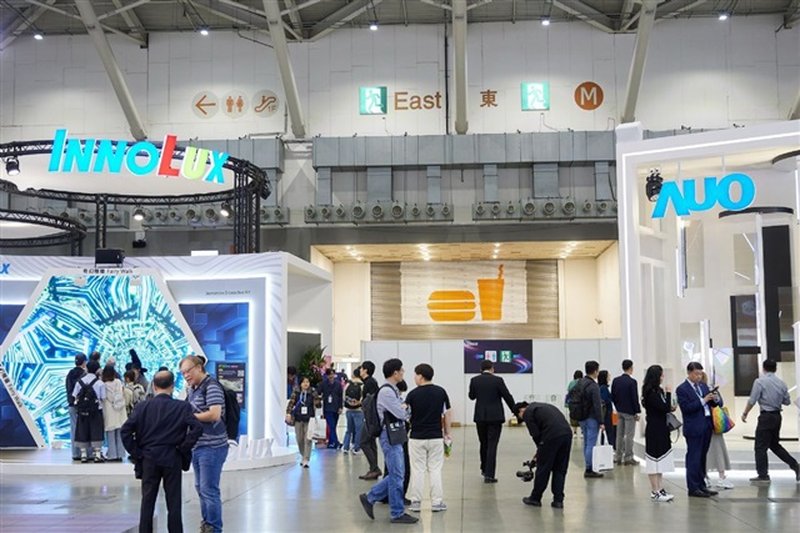
Taiwan's optics sector is preparing for its peak season, bolstered by increasing demand from Apple and a significant rise in camera component orders. This dynamic signals a period of strong activity for local manufacturers, reflecting global consumer electronics market trends.
The Interconnectedness of the Tech Supply Chain
While attention often focuses on high-profile components like GPUs or specialized AI acceleration chips, the reality is that the entire technological infrastructure, including systems dedicated to Large Language Models (LLM), relies on a complex and interconnected supply chain. A surge in demand in one segment, such as optics for smartphones or imaging devices, can create a ripple effect across global production and logistics capabilities. Factories producing lenses, sensors, or camera modules often share resources, materials, and labor with those manufacturing other essential electronic components for servers, storage systems, and motherboards—all crucial elements for AI deployments.
This interdependence means that fluctuations in consumer product demand can influence the availability and lead times of less visible but equally critical components for expanding LLM training and Inference capabilities. For companies planning to build or expand their AI infrastructure, understanding these market dynamics is fundamental for effective Total Cost of Ownership (TCO) management and strategic planning.
Challenges for On-Premise AI Deployments
For organizations prioritizing a self-hosted or air-gapped approach for their AI workloads, supply chain stability becomes even more critical. Unlike large cloud service providers, who can leverage economies of scale and long-term supply agreements, companies opting for on-premise deployments are often more exposed to spot market fluctuations for hardware acquisition. The availability of GPUs with sufficient VRAM, high-performance servers, and adequate networking solutions can be directly impacted by seemingly distant market trends, such as those in the optics sector.
A sudden surge in demand in one sector can lead to longer lead times or increased prices for other components, directly impacting the CapEx and project timelines for local AI initiatives. Data sovereignty and control over infrastructure are primary goals for many, but achieving them requires a resilient hardware acquisition strategy and a deep understanding of global supply chain dynamics. For those evaluating on-premise deployments, analytical frameworks are available on /llm-onpremise to help assess these trade-offs.
Resilience and Acquisition Strategies
In a rapidly evolving technological landscape, the ability to anticipate and mitigate supply chain risks becomes a competitive advantage. CTOs, DevOps leads, and infrastructure architects must consider not only the technical specifications of components (such as GPU VRAM or network throughput) but also the robustness and diversification of procurement channels. Building an acquisition strategy that accounts for global interdependencies and potential bottlenecks is essential to ensure that AI deployment plans, especially those aiming to keep data and models in controlled environments, can proceed without significant interruptions. Supply chain resilience is, ultimately, a fundamental pillar for building robust and sustainable AI infrastructure.







💬 Comments (0)
🔒 Log in or register to comment on articles.
No comments yet. Be the first to comment!