
Intel "Crescent Island": Una Nuova Strategia per le GPU Data Center
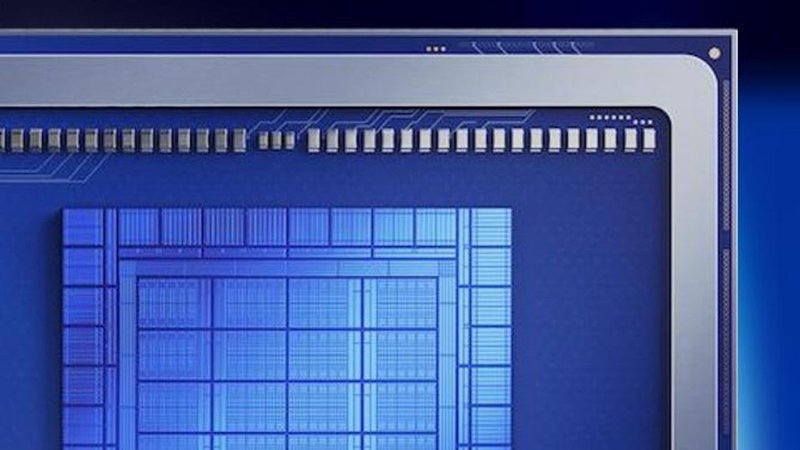
Il panorama delle infrastrutture per l'intelligenza artificiale è in costante evoluzione, con la disponibilità di hardware specializzato che gioca un ruolo cruciale nelle decisioni di deployment. In questo contesto, un recente leak ha svelato dettagli significativi su un PCB (Printed Circuit Board) di Intel, identificato con il nome in codice "Crescent Island". Questa scheda, che ospita una GPU Xe3P destinata ai data center, rivela una scelta architetturale particolarmente interessante: l'adozione massiccia di memoria LPDDR5X.
La mossa di Intel suggerisce una strategia volta ad affrontare le sfide attuali del mercato, in particolare la persistente carenza di memoria HBM (High Bandwidth Memory). Per le organizzazioni che valutano l'implementazione di Large Language Models (LLM) in ambienti self-hosted o air-gapped, la disponibilità e le specifiche dell'hardware sono fattori determinanti per il Total Cost of Ownership (TCO) e la sovranità dei dati.
Dettagli Tecnici e Prestazioni della Memoria
Il PCB trapelato mostra una configurazione di memoria imponente: la GPU Xe3P sarà equipaggiata con 20 moduli LPDDR5X da 8GB ciascuno, per un totale di 160GB di VRAM. Questa quantità di memoria è fondamentale per gestire LLM di grandi dimensioni, consentendo il caricamento di modelli complessi e l'elaborazione di contesti estesi direttamente sul dispositivo.
Assumendo un'interfaccia a 32-bit per modulo, la configurazione si traduce in un'interfaccia di memoria complessiva di 640-bit. Con velocità operative stimate tra 8800 e 9500 MT/s, la banda passante della memoria si attesta tra i 704 e i 760 GB/s. Questi valori indicano una capacità di trasferimento dati robusta, essenziale per le operazioni di inference e training degli LLM, dove la velocità di accesso alla memoria può influenzare direttamente il throughput e la latenza.
Implicazioni per i Deployment On-Premise di LLM
L'adozione di LPDDR5X da parte di Intel per la sua GPU da data center ha diverse implicazioni per chi progetta e gestisce infrastrutture AI. La scelta di questa tecnicia di memoria, in alternativa all'HBM, potrebbe migliorare la disponibilità complessiva delle schede GPU, un fattore critico in un mercato spesso caratterizzato da strozzature nella supply chain. Per le aziende che puntano a deployment on-premise, ciò significa potenzialmente una maggiore facilità nell'approvvigionamento dell'hardware necessario per costruire stack locali robusti e scalabili.
La capacità di 160GB di VRAM è particolarmente rilevante per i carichi di lavoro LLM, permettendo di eseguire modelli di dimensioni considerevoli senza ricorrere a tecniche aggressive di quantization che potrebbero compromettere la precisione. Questo è un vantaggio significativo per settori che richiedono alta fedeltà dei risultati e controllo completo sui dati, come la finanza o la sanità, dove la sovranità dei dati e la compliance normativa sono priorità assolute.
Prospettive Future e Trade-off Architetturali
La strategia di Intel con "Crescent Island" evidenzia la ricerca di soluzioni innovative per superare i vincoli del mercato. Sebbene l'HBM offra tradizionalmente una banda passante superiore e un'efficienza energetica per GB in alcuni scenari, la memoria LPDDR5X può presentare vantaggi in termini di costo per gigabyte e disponibilità. Questa diversificazione tecnicica è cruciale per la resilienza della supply chain e per offrire opzioni più flessibili ai decision-maker IT.
Per i CTO e gli architetti di infrastrutture, la valutazione di GPU come la Xe3P di Intel richiederà un'analisi attenta dei trade-off tra banda passante, capacità di memoria, TCO e disponibilità. La scelta della giusta architettura hardware è un pilastro fondamentale per ottimizzare le performance e i costi dei carichi di lavoro AI, specialmente quando si privilegiano soluzioni self-hosted per ragioni di controllo e sicurezza. AI-RADAR continua a monitorare queste evoluzioni, fornendo framework analitici su /llm-onpremise per supportare le decisioni strategiche in questo ambito.






💬 Commenti (0)
🔒 Accedi o registrati per commentare gli articoli.
Nessun commento ancora. Sii il primo a commentare!