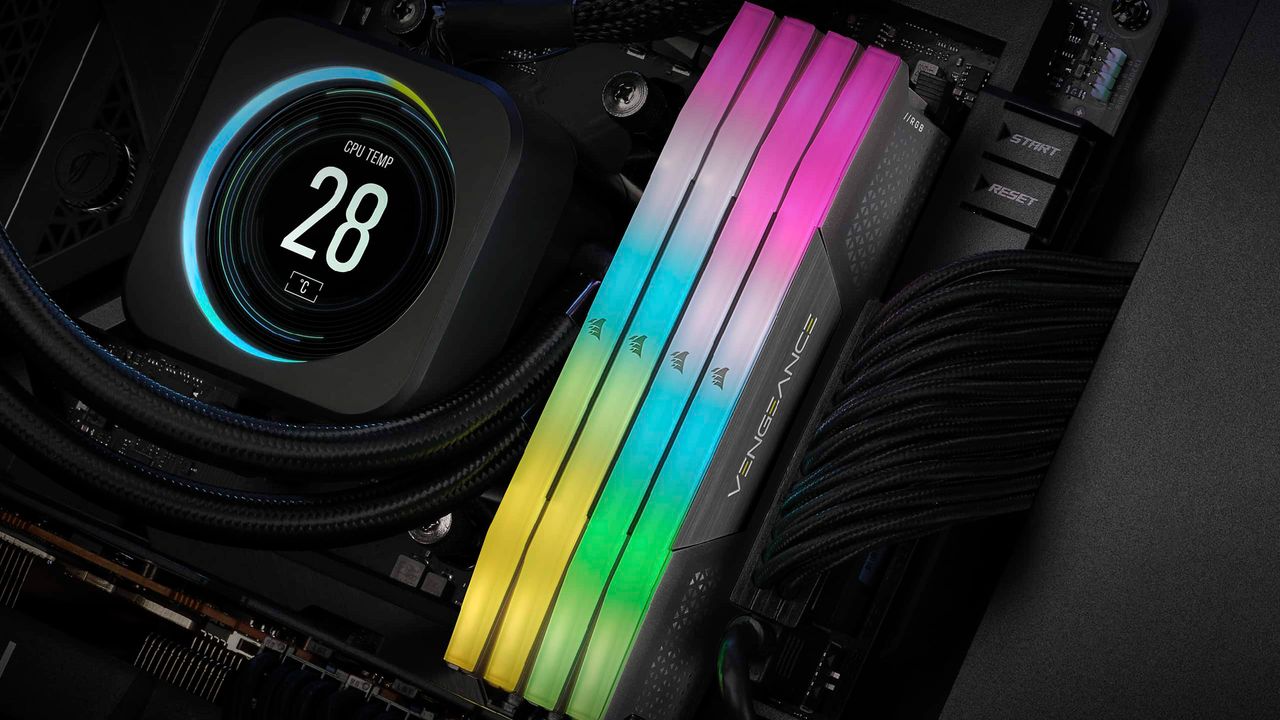
AI Drives DDR5 Costs: A Signal from the Hardware Market
The hardware market is showing clear signs of how the growing demand in the artificial intelligence sector is influencing component availability and prices. A striking example is the cost of DDR5 memory: a 32GB module, such as the Corsair Vengeance DDR5, now costs a minimum of $375. This significant increase is directly linked to what analysts are calling an “AI shortage,” meaning a scarcity of AI-dedicated hardware resources.
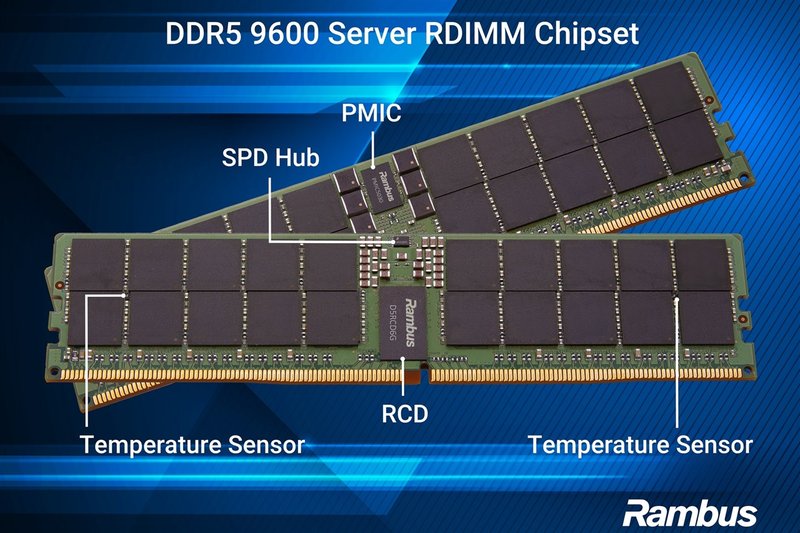
While the primary focus for LLM workloads often falls on GPU VRAM, high-speed system memory like DDR5 plays a crucial role in the AI ecosystem. It is essential for model loading, data pre-processing, managing large datasets for Retrieval Augmented Generation (RAG), and inferring smaller models that can run on CPUs or in hybrid configurations. The pressure on DDR5 prices indicates that AI demand is permeating the entire hardware supply chain, well beyond just high-end graphics cards.
The Impact of AI Demand on the Hardware Ecosystem
The “AI shortage” is not limited to top-tier GPUs but extends to complementary components essential for building robust AI systems. DDR5 memory, with its higher bandwidth and speed, has become a key element for modern CPU platforms that must handle intensive data flows, typical of machine learning and Large Language Model workloads. The priority given to large data centers and cloud service providers for purchasing high volumes of these components can divert resources from the broader market, including system integrators and companies looking to build their own on-premise infrastructure.
This market dynamic creates upward pressure on prices and can lead to lower availability, complicating planning for those who need to assemble or upgrade AI-dedicated servers. Companies face higher CapEx costs for hardware acquisition, a factor that directly impacts the Total Cost of Ownership (TCO) of their self-hosted AI solutions. Understanding these trends is vital for decision-makers who must allocate budgets and resources in a rapidly evolving technological environment.
Considerations for On-Premise LLM Deployments
For CTOs, DevOps leads, and infrastructure architects evaluating on-premise LLM deployments, the rising cost of DDR5 represents a significant variable in TCO calculations. Unlike cloud services, where hardware costs are embedded in the service price, self-hosted solutions require direct investment in components. A price increase for system memory can impact initial budgets and future scalability, especially for environments requiring high volumes of RAM to handle complex models or extensive datasets.
Hardware planning becomes even more critical: it is essential to balance the VRAM available on GPUs with the quantity and speed of system RAM. For scenarios prioritizing data sovereignty, compliance, or implementation in air-gapped environments, direct hardware purchase is often the only viable path. In these contexts, the price volatility of components like DDR5 demands careful analysis of trade-offs between performance, capacity, and cost, to ensure that the infrastructure can support LLM needs efficiently and sustainably.
Strategies and Future Outlook
In the face of these market dynamics, organizations focusing on on-premise deployments must adopt proactive strategies. This includes optimizing the use of existing hardware resources, evaluating alternative server configurations, and seeking solutions that best balance performance and cost. Choosing more efficient LLM models or adopting quantization techniques can reduce reliance on extremely expensive hardware, but system memory remains a fundamental pillar.
Monitoring price evolution and component availability is essential for long-term planning. For those evaluating on-premise deployments, AI-RADAR offers analytical frameworks on /llm-onpremise to assess the trade-offs between CapEx costs, operational efficiency, and performance requirements. The ability to adapt to a constantly evolving hardware market will be a key factor for the success of self-hosted AI strategies.






💬 Comments (0)
🔒 Log in or register to comment on articles.
No comments yet. Be the first to comment!