India Focuses on Local Semiconductor Production
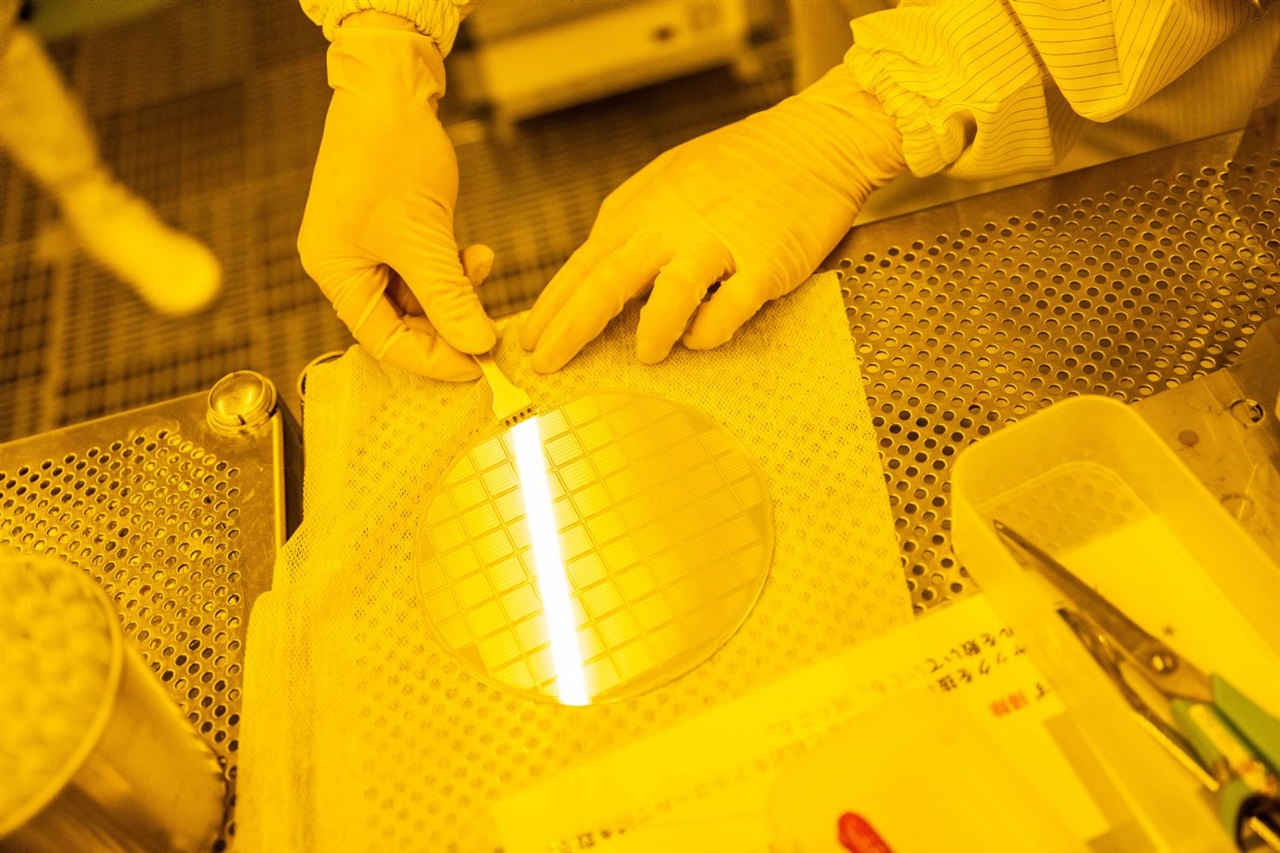
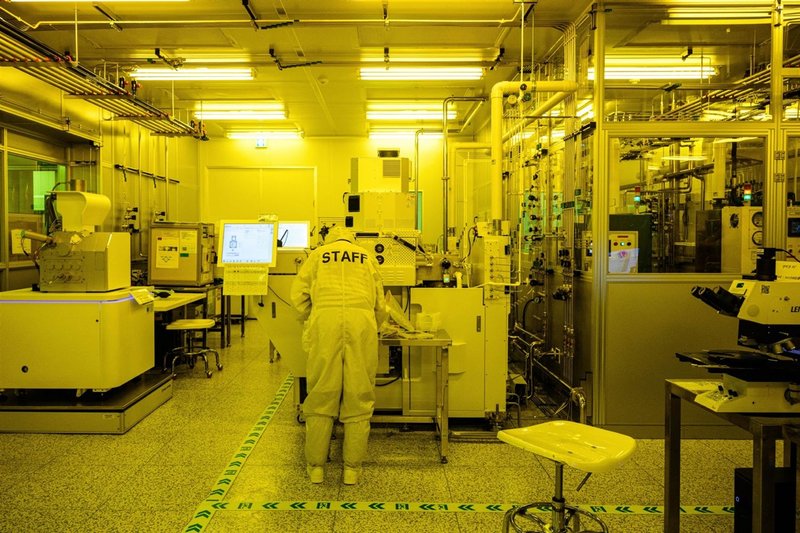
The Indian technological landscape is witnessing a strategic transformation in the semiconductor sector. Local startups, traditionally focused on the chip design phase, are now taking a decisive step towards pilot production. This development marks an intensification of national efforts aimed at building a robust and indigenous semiconductor supply chain, reducing reliance on global supply chains.
The transition from mere ideation to the physical realization of chips is a key indicator of a technology ecosystem's maturation. For India, this means not only aspiring to greater autonomy but also positioning itself as a relevant player in a global market dominated by a few giants. The implications of this move are profound, touching on aspects ranging from national security to economic competitiveness.
Implications for On-Premise AI Deployments
For companies evaluating the deployment of AI workloads and Large Language Models (LLMs) in on-premise environments, the development of local silicon production in countries like India presents significant advantages. The availability of locally produced chips can mitigate risks associated with the supply chain, often characterized by volatility and delays. This is particularly relevant for specialized hardware, such as GPUs with high VRAM, essential for the Inference and Fine-tuning of complex LLMs.
A local production ecosystem can foster the customization of silicon for specific enterprise needs, optimizing the performance and Total Cost of Ownership (TCO) of systems. The ability to control the entire value chain, from design to production, offers businesses greater assurance regarding the origin and security of components, crucial aspects for data sovereignty and regulatory compliance, especially in regulated sectors or for air-gapped environments.
Data Sovereignty and Infrastructure Control
The push towards local semiconductor production aligns perfectly with the data sovereignty and infrastructure control requirements that many organizations, particularly in Europe and Asia, are prioritizing. Relying exclusively on external providers for critical hardware can expose entities to geopolitical vulnerabilities and limitations in their ability to implement AI solutions in sensitive contexts. Domestic production, even if initially in a pilot phase, lays the groundwork for greater resilience.
For CTOs, DevOps leads, and infrastructure architects, the ability to access hardware with clear specifications and a transparent supply chain is a decisive factor in choosing between cloud and self-hosted deployments. While the cloud offers immediate scalability, on-premise solutions, supported by local silicon production, can ensure unprecedented control over performance, latency, and security—fundamental aspects for high-intensity AI workloads with stringent privacy requirements.
Future Prospects and Trade-offs
The path from the current pilot phase to large-scale mass production is long and complex, requiring substantial investments in research and development, infrastructure, and expertise. However, India's commitment in this direction highlights a global trend towards the decentralization of semiconductor manufacturing. This scenario offers new opportunities but also introduces trade-offs to consider.
Companies will need to carefully weigh the long-term benefits of greater hardware autonomy against initial costs and integration challenges. For those evaluating on-premise deployments, AI-RADAR offers analytical frameworks on /llm-onpremise to assess these trade-offs, considering factors such as CapEx, OpEx, energy consumption, and VRAM requirements for AI models. The diversification of silicon sources is a strategy that could define the next era of AI innovation.







💬 Comments (0)
🔒 Log in or register to comment on articles.
No comments yet. Be the first to comment!