
Lenovo Boosts AI Production Capabilities in Tianjin
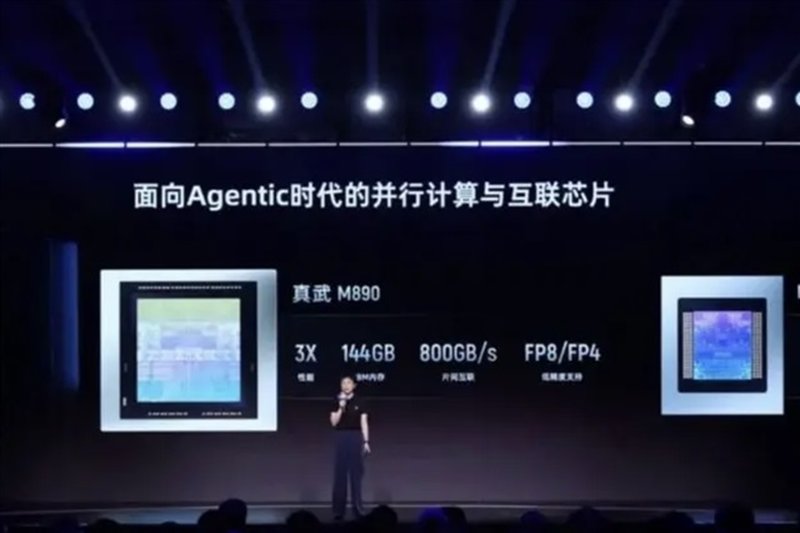
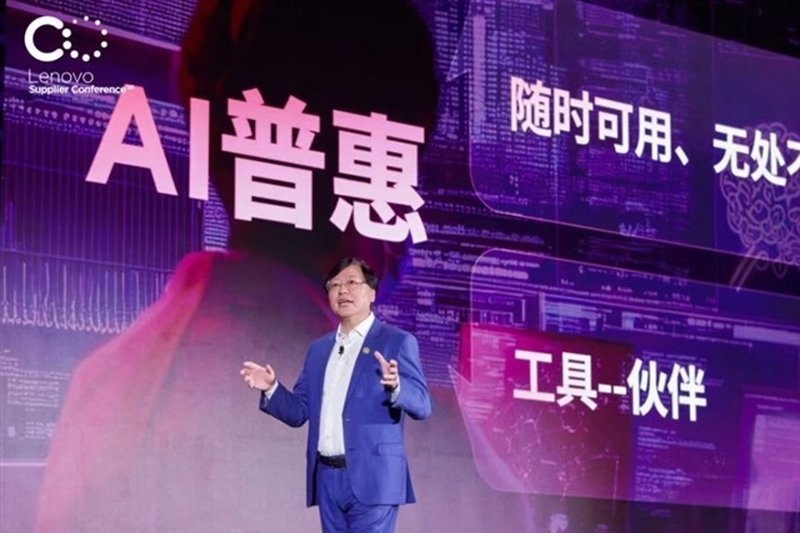
Lenovo has announced a major expansion of its AI server hub located in Tianjin, China. The initiative, which sees the company targeting mass production by 2027, was highlighted by CEO Yuanqing Yang and is set against a backdrop of rapidly increasing global demand for dedicated artificial intelligence infrastructure. This strategic investment aims to strengthen Lenovo's ability to provide advanced hardware solutions, essential for supporting the increasingly complex workloads associated with Large Language Models (LLMs) and other AI applications.
The decision to enhance the Tianjin hub reflects a broader trend in the technology sector, where the availability of high-performance hardware has become a critical factor for innovation and the deployment of AI solutions. Enterprises, particularly those managing large data volumes or requiring real-time processing, constantly seek robust and scalable infrastructure. Lenovo's expansion addresses this need, positioning the company as a key player in supplying fundamental components for the AI ecosystem.
The Importance of Hardware for AI Workloads
The efficiency and performance of Large Language Models (LLMs) and other artificial intelligence models largely depend on the underlying hardware. Specialized AI servers, equipped with high-performance GPUs featuring ample VRAM and low-latency interconnects, are indispensable for both intensive training phases and large-scale inference. An infrastructure's ability to handle high throughput and maintain low latency is crucial for applications ranging from natural language processing to computer vision.
Lenovo's investment in a production hub dedicated to AI servers underscores the understanding that the demand for these machines will continue to grow exponentially. Enterprises evaluating the deployment of LLMs on-premise or in hybrid environments require assurances regarding hardware availability and technical specifications. The mass production planned for 2027 suggests a long-term vision to meet these needs, allowing organizations to plan their infrastructural strategies with greater certainty.
On-Premise Deployment Strategies and Data Control
For many organizations, especially those operating in regulated sectors or with stringent security requirements, the on-premise deployment of AI solutions represents a strategic choice. The ability to maintain physical control over hardware and data offers significant advantages in terms of data sovereignty, compliance, and security. A hub like Tianjin, focused on AI server production, directly contributes to supporting these strategies by providing the necessary infrastructure to build robust self-hosted environments.
Evaluating the Total Cost of Ownership (TCO) is another critical factor for enterprises considering alternatives to the cloud. While the initial investment in hardware can be substantial, long-term operational costs, customization, and the ability to optimize resources can make on-premise solutions economically advantageous. Lenovo's expansion aligns with this perspective, offering concrete options for companies seeking to balance performance, control, and costs.
Future Outlook for AI Infrastructure
Lenovo's expansion of the Tianjin hub is a clear indicator of the direction the AI infrastructure market is heading. With the advancement of LLMs and their integration into an increasing number of business processes, the need for dedicated and optimized computing capacity will only grow. This type of investment not only addresses current demand but also anticipates future needs, ensuring that hardware is available to support the next generation of AI innovations.
Challenges related to scalability, energy efficiency, and supply chain management remain central for AI hardware manufacturers. However, the commitment of companies like Lenovo to enhance their production capabilities suggests confidence in the sustained growth of the sector. Lenovo's mass production of AI servers by 2027 will contribute to democratizing access to high-performance infrastructure, making it available to a wide range of enterprises aiming to fully leverage the potential of artificial intelligence within their controlled environments.





💬 Comments (0)
🔒 Log in or register to comment on articles.
No comments yet. Be the first to comment!