
Memory Shortage: A Persistent Hurdle for On-Premise AI
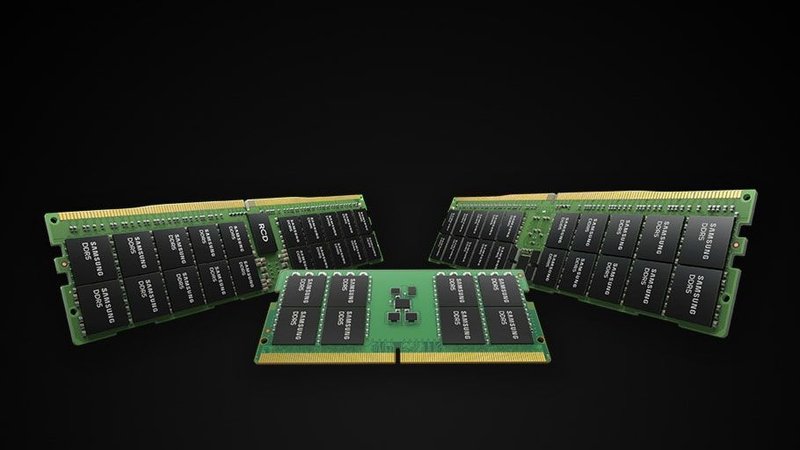
The global hardware components market continues to show signs of strain, particularly in the memory segment. Peter Shu, chairman of Transcend Information, Inc., recently highlighted a persistent shortage of memory modules, a factor that is having a direct and significant impact on costs. According to his statements, the Average Selling Prices (ASPs) for these components have increased up to fivefold, creating a notable challenge for the technology industry.
This market dynamic is not an isolated phenomenon but reflects growing demand, largely driven by the expansion of artificial intelligence applications and, in particular, Large Language Models (LLMs). For companies aiming to build or expand their on-premise LLM inference and training capabilities, the availability and cost of memory represent a critical constraint. Price volatility and supply scarcity can indeed compromise strategic planning and budget allocation for self-hosted infrastructures.
The Impact of Memory on LLM Workloads
Memory, and specifically GPU VRAM, is a fundamental component for the efficiency and scalability of LLM-related workloads. Increasingly larger models require vast amounts of VRAM to be loaded and to manage extended context windows, directly influencing the throughput and latency of inference operations. The shortage of memory modules, as reported by Transcend, translates into limited availability of high-performance GPUs, which are essential for running complex LLMs.
For those evaluating on-premise deployments, hardware selection is crucial. The need for GPUs with high VRAM, such as A100 80GB or the more recent H100, becomes a decisive factor. However, the scarcity of these components and the surge in their prices can make the initial investment (CapEx) prohibitive for many organizations. This scenario pushes companies to consider optimization strategies, such as model Quantization, to reduce memory footprint and allow execution on less demanding or more available hardware, albeit with potential compromises on accuracy.
Price Volatility and Total Cost of Ownership (TCO)
The up to fivefold increase in memory module prices has direct implications for the Total Cost of Ownership (TCO) of AI infrastructures. For companies opting for a self-hosted approach, the initial hardware investment represents a significant component of the TCO. Such a marked growth in component costs can drastically alter financial projections, making the economic justification of an on-premise deployment more complex compared to cloud-based alternatives.
CTOs, DevOps leads, and infrastructure architects must address the challenge of balancing performance and data sovereignty requirements with the realities of a volatile hardware market. Long-term planning requires careful evaluation not only of acquisition costs but also of supply chain stability and the potential need for future upgrades. The ability to negotiate stable supply contracts or explore alternative purchasing options becomes critical to mitigate the risks associated with these price fluctuations.
Strategies for On-Premise Resilience
In a context of memory shortage and rising prices, on-premise deployment decisions require an even more robust strategy. Organizations must prioritize efficiency in utilizing existing resources and carefully consider the architecture of their local stacks. This includes adopting optimized serving Frameworks, exploring advanced Quantization techniques, and designing inference Pipelines that maximize throughput with available VRAM.
AI-RADAR focuses precisely on these challenges, offering analytical frameworks to evaluate the trade-offs between performance, cost, and control in on-premise deployment scenarios. The ability to maintain data sovereignty and operate in air-gapped environments remains a priority for many sectors, but it requires careful management of hardware and market constraints. Infrastructural resilience, in this scenario, depends not only on computing power but also on the ability to adapt to a constantly evolving components market.







💬 Comments (0)
🔒 Log in or register to comment on articles.
No comments yet. Be the first to comment!