Metafuels Secures Strategic Funding for Sustainable Fuel Project in Rotterdam
Metafuels, a Switzerland-based aviation technology company developing sustainable fuel solutions, has been awarded €1.92 million in grant funding. This capital is earmarked to support the development of its innovative synthetic sustainable aviation fuel (e-SAF) project in the Port of Rotterdam. The funding was granted to its subsidiary, Metafuels Nederland B.V., by the Netherlands Enterprise Agency under the TSE Industry Studies - Hydrogen & Green Chemistry programme (GroenvermogenNL).
This investment underscores the growing commitment towards decarbonizing the aviation sector, a critical area for global emissions reduction. The transition to alternative, low-impact fuels represents a complex challenge, requiring significant investments in research, development, and large-scale deployment of new technologies. Metafuels' project in Rotterdam is positioned as a fundamental step in this direction, aiming to set a precedent for future similar initiatives.
Technical Details and Deployment Strategy
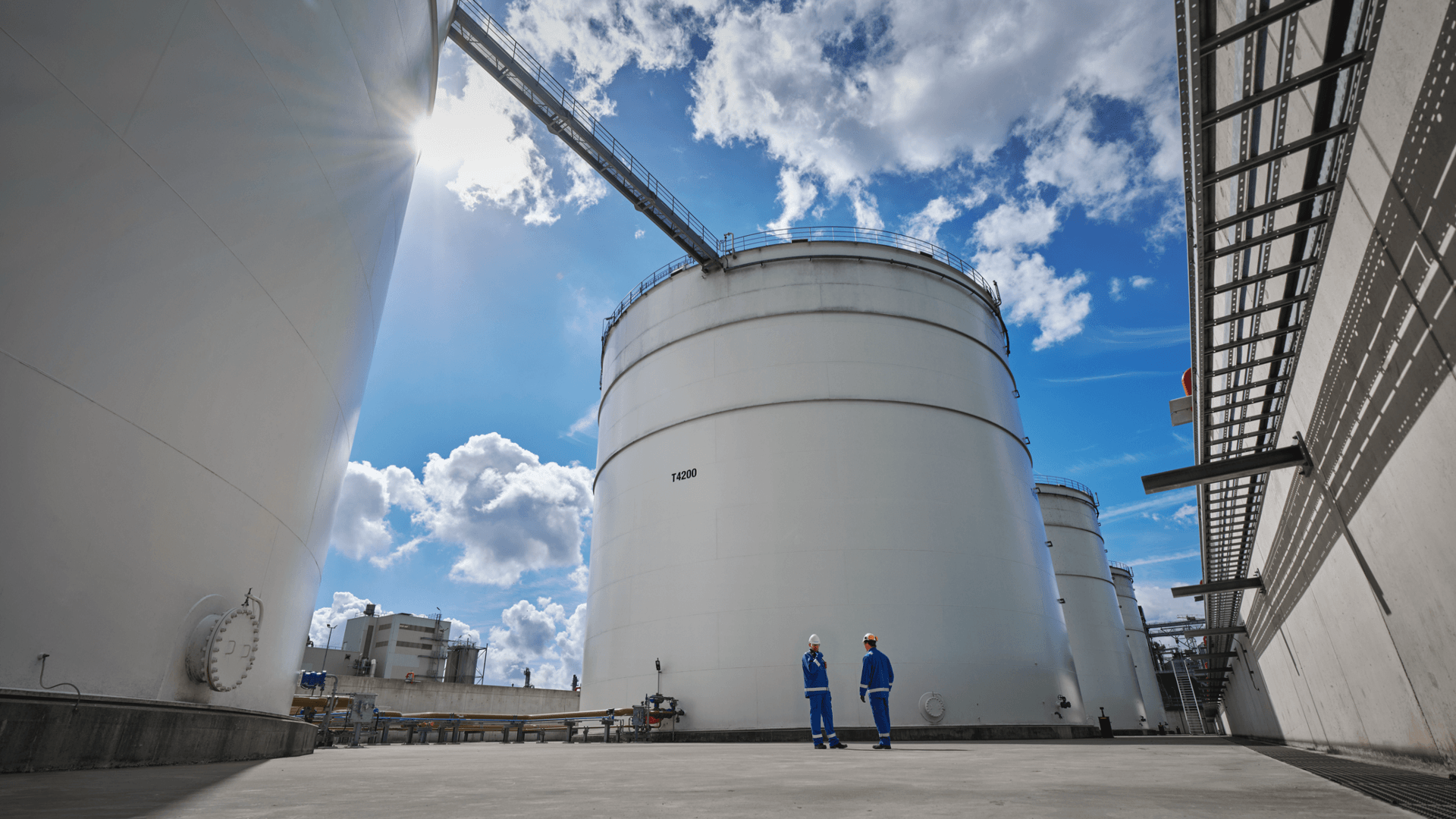
The grant will support key development activities for the Turbe project, including front-end engineering and design (FEED), permitting and necessary consents, and commercial preparation ahead of a final investment decision (FID). The facility is planned to be located at the Evos terminal in the Port of Rotterdam and represents the first commercial deployment of Metafuels’ proprietary methanol-to-jet technology, named aerobrew.
The aerobrew technology focuses on converting renewable methanol into "drop-in" jet fuel, meaning it is fully compatible with existing aircraft and refueling infrastructure. This feature is crucial for facilitating large-scale adoption, eliminating the need for costly or complex modifications to existing air fleets and airport infrastructure. Compared to other sustainable aviation fuel pathways, the methanol-to-jet process offers a more scalable alternative and, when powered by renewable inputs, can significantly reduce lifecycle emissions.
Regulatory Context and Logistics Advantages
The project is designed as a blueprint for future large-scale facilities and is targeting production from 2030, in line with emerging regulatory frameworks such as ReFuelEU Aviation. This European regulation aims to increase the use of sustainable fuels in the aviation sector, setting ambitious targets for their integration. The choice of the Port of Rotterdam as a strategic location provides access to established infrastructure, efficient logistics networks, and extensive industrial expertise.
These factors are essential for supporting the scale-up of synthetic fuel production in Europe. The availability of a robust industrial ecosystem and well-developed logistical connections reduces operational risks and costs associated with building and managing a facility of this magnitude. For companies evaluating the deployment of complex infrastructures, location selection is a critical factor that profoundly impacts the TCO and long-term feasibility of the project.
Future Prospects for Aviation Decarbonization
The success of Metafuels' Turbe project could act as a catalyst for further investment and innovation in the sustainable fuels sector. The ability to produce e-SAF scalably and compatibly with existing infrastructure is a key element in accelerating the energy transition in aviation. Collaboration between public entities and private companies, as demonstrated by this funding, is crucial for overcoming the technical and economic barriers that still hinder the widespread adoption of these solutions.
Looking ahead, the experience gained in Rotterdam will provide valuable data and best practices for replicating the model in other regions. Metafuels' goal of creating a "blueprint" for large-scale facilities highlights a long-term vision that extends beyond the single project, aiming for a systemic impact on global aviation sustainability.








💬 Comments (0)
🔒 Log in or register to comment on articles.
No comments yet. Be the first to comment!