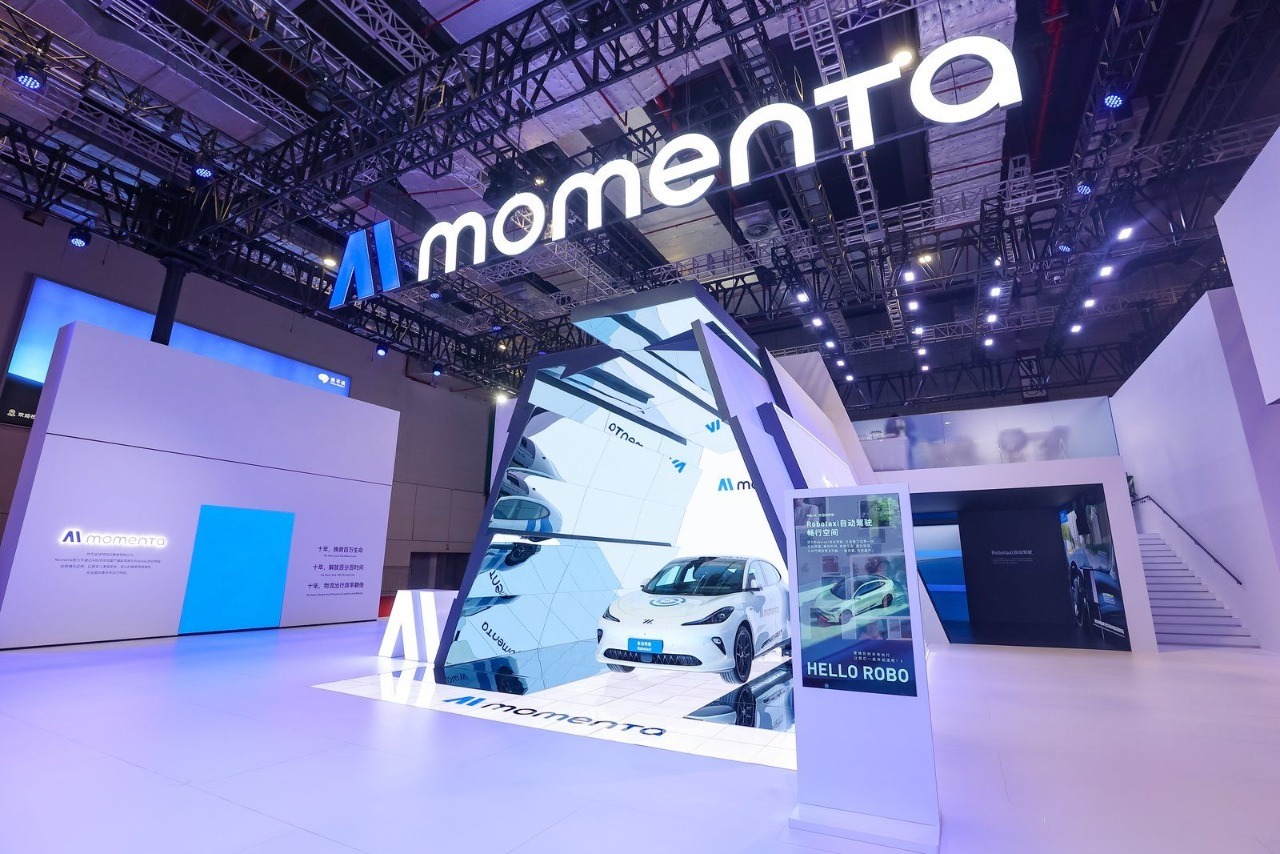
The IPO Filing
Chinese autonomous driving startup Momenta has filed for a public listing on the Hong Kong Stock Exchange, with an initial offering that could raise up to $751 million. The company expects to announce share allocations by July 7 and to start trading on July 8.
This is more than a financial headline. It reflects mounting pressure on AI-driven automotive companies to secure large-scale capital for the next development phase: massive training of neural networks for self-driving systems. Like its peers, Momenta handles enormous datasets from cameras, LiDAR, and radar sensors, which demand ever-stronger computing clusters.
Why On-Premise Hardware Matters
In autonomous driving, data is both the most valuable and the most sensitive asset. Images collected by vehicles often contain personally identifiable information, and Chinese data localization regulations impose strict requirements. As a result, many startups choose self-hosted infrastructure, deploying servers equipped with cutting-edge GPUs in their own data centers rather than relying solely on public clouds.
On-premise deployment offers advantages in control, lower training latency, and—over the long term—a more predictable total cost of ownership (TCO). Momenta's IPO signals that a portion of the raised capital will likely go toward expanding this private compute capacity. A spokesperson stated that "the company will invest significantly in R&D, including boosting its training infrastructure."
Implications for the AI Chip Market
If the listing succeeds, Momenta will join a wave of Chinese firms channeling billions of dollars into GPU purchases. Despite U.S. export restrictions, Nvidia continues to sell downgraded versions of its chips in China, while domestic alternatives gain ground. This dynamic strains the entire supply chain: VRAM availability, memory bandwidth, and the efficiency of training frameworks become critical differentiators.
For industry observers, it's clear that the real bottleneck is no longer just software but hardware access. The IPO market thus acts as a barometer of real demand for on-premise compute. Companies like Momenta, operating in regulated sectors, are pushed to build local stacks, fueling a virtuous cycle for full-solution vendors.
Beyond the News: The Bigger Picture
Momenta's move confirms a trend that AI-RADAR tracks closely: the tension between cloud scalability and the need for control is steering more organizations toward hybrid models with a strong on-premise component. Autonomous driving, with its low-latency requirements and regulatory compliance, amplifies this tendency. In Europe, GDPR and digital sovereignty initiatives prompt similar reflections.
In this context, an autonomous driving startup's IPO is not just a financial story. It's a signal for IT decision-makers: investing in local infrastructure is no longer an ideological choice but an operational necessity. The AI game is increasingly fought on chips, and those who want to stay competitive must factor in an on-premise TCO that may be high but offers strategic advantages that are hard to replicate with cloud alone.







💬 Comments (0)
🔒 Log in or register to comment on articles.
No comments yet. Be the first to comment!