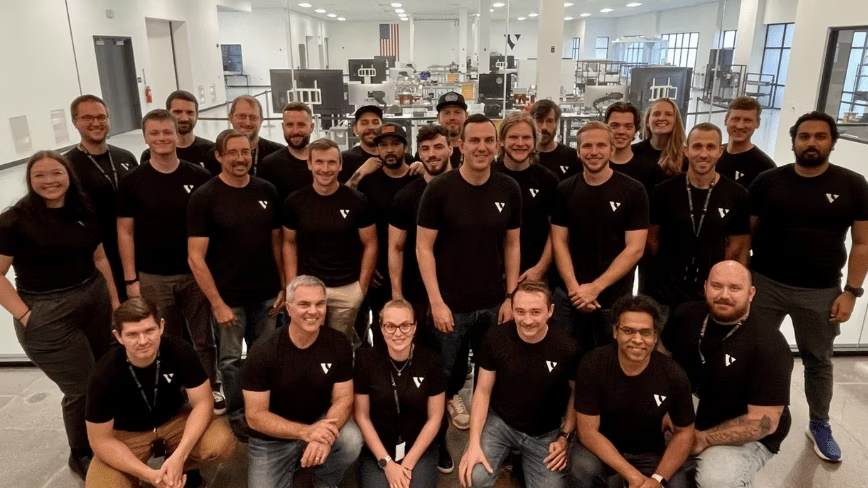
True Anomaly: 650 milioni di dollari per veicoli spaziali autonomi da difesa
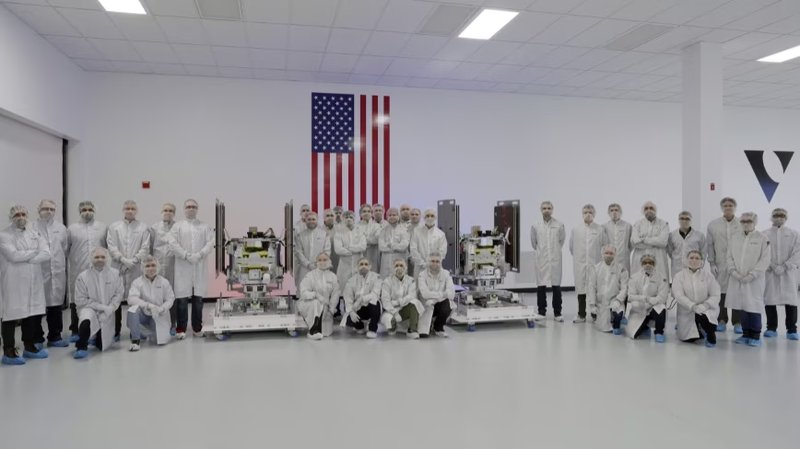
La startup True Anomaly, con sede in Colorado e specializzata nella costruzione di veicoli spaziali autonomi per il combattimento orbitale, ha annunciato di aver chiuso un round di finanziamento Serie D da 650 milioni di dollari. Questo nuovo capitale porta la valutazione dell'azienda a 2,2 miliardi di dollari e il totale dei fondi raccolti a 1 miliardo di dollari dalla sua fondazione, avvenuta nell'agosto del 2022.
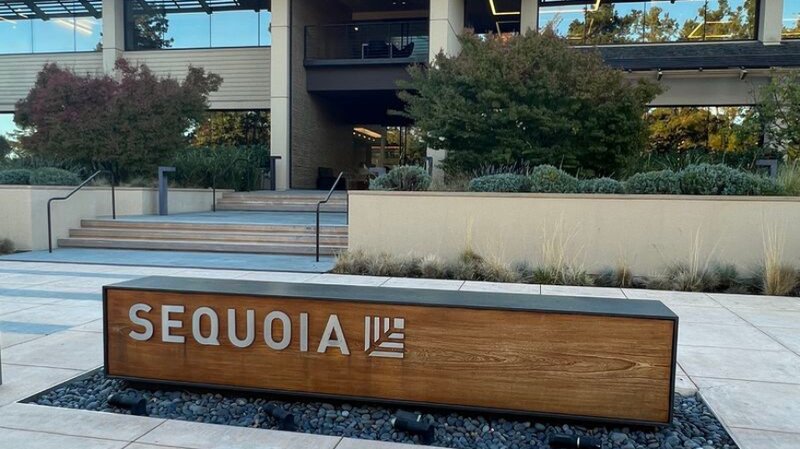
Il round di investimento è stato co-guidato da Eclipse e Riot Ventures, con la partecipazione di nuovi investitori di rilievo come Paradigm, Atreides e G Squared. Questo significativo afflusso di capitale sottolinea il crescente interesse e l'importanza strategica del settore della difesa spaziale, un ambito in rapida evoluzione che richiede soluzioni tecniciche all'avanguardia per affrontare le sfide emergenti.
L'autonomia nello spazio e le sfide dell'AI
Lo sviluppo di veicoli spaziali autonomi, come quelli di True Anomaly, si basa intrinsecamente su sistemi di intelligenza artificiale avanzati. Questi sistemi devono essere in grado di operare con elevata affidabilità, bassa latenza e capacità decisionali rapide in ambienti estremamente complessi e imprevedibili. La natura critica delle missioni di difesa spaziale impone requisiti stringenti in termini di sicurezza, resilienza e controllo operativo.
Per le organizzazioni che operano in questo settore, la gestione dei dati e la sovranità delle informazioni sono aspetti cruciali. L'elaborazione di modelli AI, inclusi i Large Language Models (LLM) o altri algoritmi di machine learning, spesso richiede infrastrutture che garantiscano il massimo controllo, come ambienti self-hosted o air-gapped. Questo approccio permette di mitigare i rischi legati alla sicurezza informatica e di assicurare la conformità con normative specifiche, aspetti fondamentali quando si tratta di tecnicie sensibili.
Investimenti strategici e il mercato della difesa spaziale
Il miliardo di dollari raccolto da True Anomaly in poco più di un anno e mezzo dalla sua fondazione evidenzia la fiducia degli investitori nel potenziale di crescita e nell'innovazione tecnicica dell'azienda. La valutazione di 2,2 miliardi di dollari riflette non solo i progressi compiuti nello sviluppo di veicoli spaziali da combattimento, ma anche l'urgenza percepita nel dotarsi di capacità difensive avanzate nello spazio.
Questo trend di investimenti massicci nel settore della difesa spaziale è indicativo di un cambiamento più ampio nel panorama geopolitico e tecnicico. La corsa allo spazio non è più solo una questione di esplorazione o ricerca scientifica, ma include sempre più aspetti legati alla sicurezza nazionale e alla protezione degli asset orbitali. Le aziende che riescono a fornire soluzioni innovative in questo campo attirano capitali significativi, accelerando lo sviluppo di tecnicie che potrebbero ridefinire le strategie di difesa.
Implicazioni per l'infrastruttura AI on-premise
La necessità di sistemi autonomi e sicuri nel settore della difesa spaziale ha dirette implicazioni per le decisioni di deployment dell'intelligenza artificiale. L'elaborazione di dati sensibili e la necessità di operare in condizioni di connettività limitata o assente spingono verso soluzioni di calcolo robuste e localizzate. Questo include l'impiego di hardware dedicato, come GPU ad alte prestazioni, e l'adozione di architetture on-premise o edge computing.
Per chi valuta il deployment di carichi di lavoro AI/LLM in contesti dove la sovranità dei dati, la sicurezza e il Total Cost of Ownership (TCO) sono prioritari, l'approccio self-hosted offre vantaggi significativi. La possibilità di mantenere il controllo completo sull'infrastruttura, dalla gestione dell'hardware alla configurazione del software, è fondamentale per garantire la resilienza e la conformità. AI-RADAR offre framework analitici su /llm-onpremise per valutare i trade-off tra le diverse opzioni di deployment, fornendo strumenti utili per decisioni strategiche in settori ad alta criticità.







💬 Commenti (0)
🔒 Accedi o registrati per commentare gli articoli.
Nessun commento ancora. Sii il primo a commentare!