Una nuova frontiera per l'intelligenza artificiale
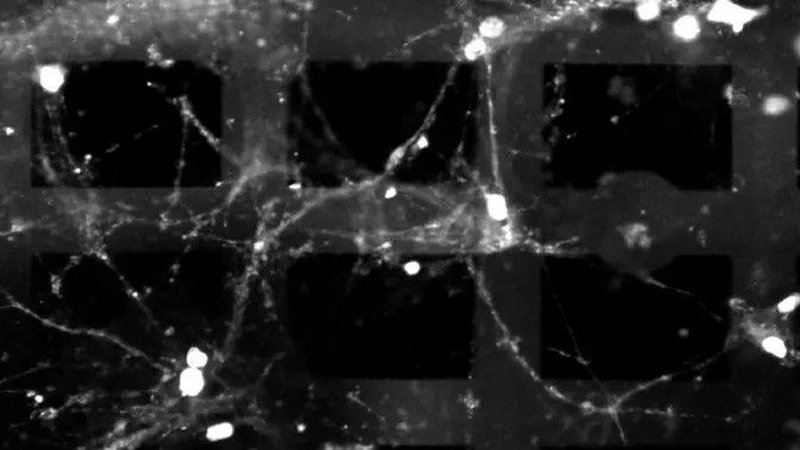
La ricerca nel campo dell'intelligenza artificiale continua a esplorare percorsi innovativi, spingendosi oltre i paradigmi computazionali tradizionali. Un recente studio ha rivelato la capacità di addestrare neuroni di ratto viventi per eseguire computazioni AI in tempo reale. Questo approccio, che utilizza il cervello di un ratto come substrato computazionale, rappresenta un passo significativo verso la comprensione e lo sfruttamento delle capacità intrinseche dei sistemi biologici per l'elaborazione delle informazioni.
L'obiettivo primario di questi esperimenti è duplice: da un lato, approfondire la conoscenza del funzionamento del cervello stesso; dall'altro, gettare le basi per lo sviluppo di interfacce cervello-macchina di nuova generazione. L'idea di integrare componenti biologici con sistemi artificiali non è nuova, ma la dimostrazione di capacità computazionali AI in tempo reale da parte di neuroni viventi apre scenari inediti per il futuro dell'informatica.
Il potenziale del calcolo biologico per l'AI
Il panorama attuale dell'AI, in particolare per i Large Language Models (LLM), è dominato da un'intensa richiesta di risorse hardware, con GPU che necessitano di enormi quantità di VRAM e un throughput elevato per l'Inference e il training. Questo porta a considerazioni significative sul Total Cost of Ownership (TCO) per le aziende che valutano deployment on-premise o soluzioni cloud. I sistemi biologici, come il cervello, offrono un modello di computazione intrinsecamente parallelo ed estremamente efficiente dal punto di vista energetico, caratteristiche che li rendono un oggetto di studio affascinante per superare i limiti del silicio.
Mentre il silicio tradizionale si basa su architetture sequenziali o parallelizzate tramite unità di elaborazione discrete, i neuroni biologici operano in una rete densamente interconnessa, capace di apprendimento adattivo e di elaborazione simultanea di vaste quantità di dati con un consumo energetico irrisorio rispetto ai data center odierni. La capacità di questi neuroni di ratto di eseguire computazioni AI in tempo reale suggerisce un potenziale per architetture computazionali radicalmente diverse, che potrebbero un giorno influenzare la progettazione di hardware e Framework per l'AI.
Implicazioni per le interfacce cervello-macchina e oltre
Le implicazioni di questa ricerca vanno ben oltre la semplice curiosità scientifica. La capacità di addestrare neuroni viventi per compiti specifici di AI potrebbe essere un catalizzatore per lo sviluppo di interfacce cervello-macchina (BCI) molto più sofisticate e naturali. Attualmente, le BCI si concentrano spesso sulla decodifica di segnali neurali esistenti per controllare dispositivi esterni. Tuttavia, se i neuroni stessi possono essere "programmati" o addestrati per eseguire funzioni AI, si apre la possibilità di creare sistemi ibridi che non solo leggono il cervello, ma interagiscono con esso a un livello computazionale più profondo.
Questo potrebbe portare a protesi avanzate, alla riabilitazione neurologica o persino a nuove forme di potenziamento cognitivo. A lungo termine, una maggiore comprensione e controllo del calcolo biologico potrebbe anche ispirare nuove architetture per l'AI che emulano più fedelmente l'efficienza e l'adattabilità del cervello, riducendo la dipendenza da infrastrutture hardware massicce e costose per il Deployment di LLM complessi.
Prospettive future e sfide del calcolo biologico
Nonostante il potenziale entusiasmante, è fondamentale riconoscere che questa ricerca si trova ancora nelle sue fasi iniziali. Le sfide tecniche e etiche sono considerevoli. La stabilità a lungo termine dei sistemi neuronali in vitro o in vivo, la scalabilità di tali approcci e la precisione nel controllo delle computazioni sono solo alcune delle questioni aperte. Tuttavia, l'esplorazione di substrati computazionali non convenzionali è cruciale per il progresso dell'AI.
Per le aziende che si occupano di infrastrutture e deployment di soluzioni AI, questa ricerca, sebbene futuristica, sottolinea la costante ricerca di efficienza e nuove paradigmi. Mentre oggi l'attenzione è sul miglioramento del silicio e sull'ottimizzazione dei Framework per LLM on-premise, la direzione a lungo termine potrebbe includere l'integrazione di principi biologici o l'esplorazione di hardware bio-ispirato. AI-RADAR continua a monitorare queste innovazioni, fornendo analisi sui trade-off tra diverse strategie di deployment e le loro implicazioni sul TCO.








💬 Commenti (0)
🔒 Accedi o registrati per commentare gli articoli.
Nessun commento ancora. Sii il primo a commentare!