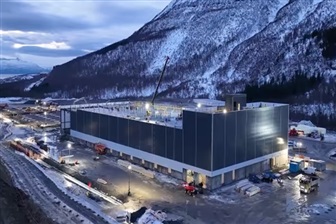
Nscale rialloca capacità di calcolo da OpenAI Stargate Norway a Microsoft
Nscale ha annunciato una significativa riallocazione di risorse, spostando la capacità di calcolo precedentemente destinata al progetto Stargate Norway di OpenAI verso Microsoft. Questa mossa strategica evidenzia la fluidità e la complessità nella gestione delle infrastrutture AI su larga scala, un aspetto cruciale per le aziende che navigano tra le opzioni di deployment cloud e self-hosted. La decisione di Nscale riflette le dinamiche in evoluzione nel panorama dell'intelligenza artificiale, dove l'accesso e l'ottimizzazione delle risorse di calcolo sono fattori determinanti per lo sviluppo e il rilascio di Large Language Models (LLM) e altre applicazioni AI.
La riallocazione di capacità di calcolo, in un contesto come quello di OpenAI e Microsoft, si riferisce tipicamente a un volume considerevole di potenza di elaborazione, spesso basata su GPU di fascia alta. Progetti come "Stargate Norway" suggeriscono infrastrutture dedicate e ottimizzate per carichi di lavoro intensivi di training e inference di LLM. Questo tipo di spostamento di risorse può essere dettato da molteplici fattori, inclusi cambiamenti nelle priorità di progetto, ottimizzazione dei costi operativi o nuove esigenze strategiche tra i partner. La partnership tra OpenAI e Microsoft è di lunga data e profonda, con Microsoft Azure che fornisce gran parte dell'infrastruttura cloud necessaria per le operazioni di OpenAI. La decisione di Nscale si inserisce in questo framework, influenzando direttamente la disponibilità e l'allocazione di risorse critiche per l'innovazione AI.
Implicazioni per il deployment e la sovranità dei dati
Per le aziende che valutano le proprie strategie di deployment AI, questa notizia sottolinea i trade-off intrinseci tra le soluzioni cloud e quelle self-hosted. L'allocazione e la riallocazione di capacità nel cloud offrono flessibilità e scalabilità, ma possono anche comportare una minore prevedibilità sui costi a lungo termine (TCO) e sulla disponibilità delle risorse. Al contrario, un deployment on-premise, sebbene richieda un investimento iniziale di capitale (CapEx) più elevato, offre un controllo completo sull'hardware, sulla sicurezza e sulla sovranità dei dati, aspetti fondamentali per settori regolamentati o per chi opera in ambienti air-gapped.
La scelta tra un'infrastruttura cloud e una self-hosted non è mai banale. Le decisioni devono considerare non solo le specifiche hardware, come la VRAM delle GPU o il throughput di rete, ma anche fattori come la latenza, la conformità normativa (es. GDPR) e la capacità di gestire picchi di carico. La capacità di Nscale di spostare risorse tra attori così importanti evidenzia come la gestione dell'infrastruttura AI sia un gioco di equilibri delicato, dove la capacità di adattamento è tanto importante quanto la potenza bruta. Per chi desidera approfondire l'analisi di questi trade-off, AI-RADAR offre framework analitici su /llm-onpremise per valutare le diverse opzioni di deployment.
Il panorama dinamico dell'infrastruttura AI
Il mercato dell'infrastruttura AI è in continua evoluzione, caratterizzato da una domanda crescente di potenza di calcolo e da una rapida innovazione tecnicica. La capacità di gestire e riallocare efficacemente le risorse è un vantaggio competitivo significativo. Questo episodio tra Nscale, OpenAI e Microsoft illustra come anche i giganti del settore debbano costantemente ottimizzare le proprie pipeline di risorse per sostenere lo sviluppo e il rilascio di modelli sempre più complessi.
La disponibilità di silicio avanzato, in particolare GPU ad alte prestazioni, rimane un collo di bottiglia critico per molti. Le aziende devono quindi pianificare con attenzione, bilanciando l'accesso a risorse esterne con la costruzione di capacità interne. La capacità di eseguire inference e fine-tuning di LLM in locale, ad esempio, può offrire vantaggi in termini di latenza e sicurezza, ma richiede un'attenta valutazione del TCO e delle competenze interne necessarie per la gestione di un'infrastruttura bare metal.
Prospettive future per le decisioni di deployment
La riallocazione di capacità da parte di Nscale è un promemoria della natura dinamica e interconnessa del mercato dell'AI. Per i CTO e gli architetti di infrastruttura, la lezione è chiara: la pianificazione strategica deve essere agile e considerare un'ampia gamma di scenari. Che si tratti di optare per il cloud, per soluzioni self-hosted o per un approccio ibrido, la comprensione dei vincoli e dei trade-off è fondamentale.
La capacità di un'organizzazione di mantenere il controllo sui propri dati, di garantire la conformità e di ottimizzare i costi operativi e di capitale, dipenderà sempre più dalla sua abilità nel navigare in questo complesso ecosistema. Eventi come quello descritto da Nscale non sono solo notizie di mercato, ma indicatori delle tendenze più ampie che plasmano le decisioni di deployment AI a livello globale, spingendo verso soluzioni che garantiscano sia performance che sovranità.








💬 Commenti (0)
🔒 Accedi o registrati per commentare gli articoli.
Nessun commento ancora. Sii il primo a commentare!