The Escalation of Memory Costs for Nvidia AI Systems
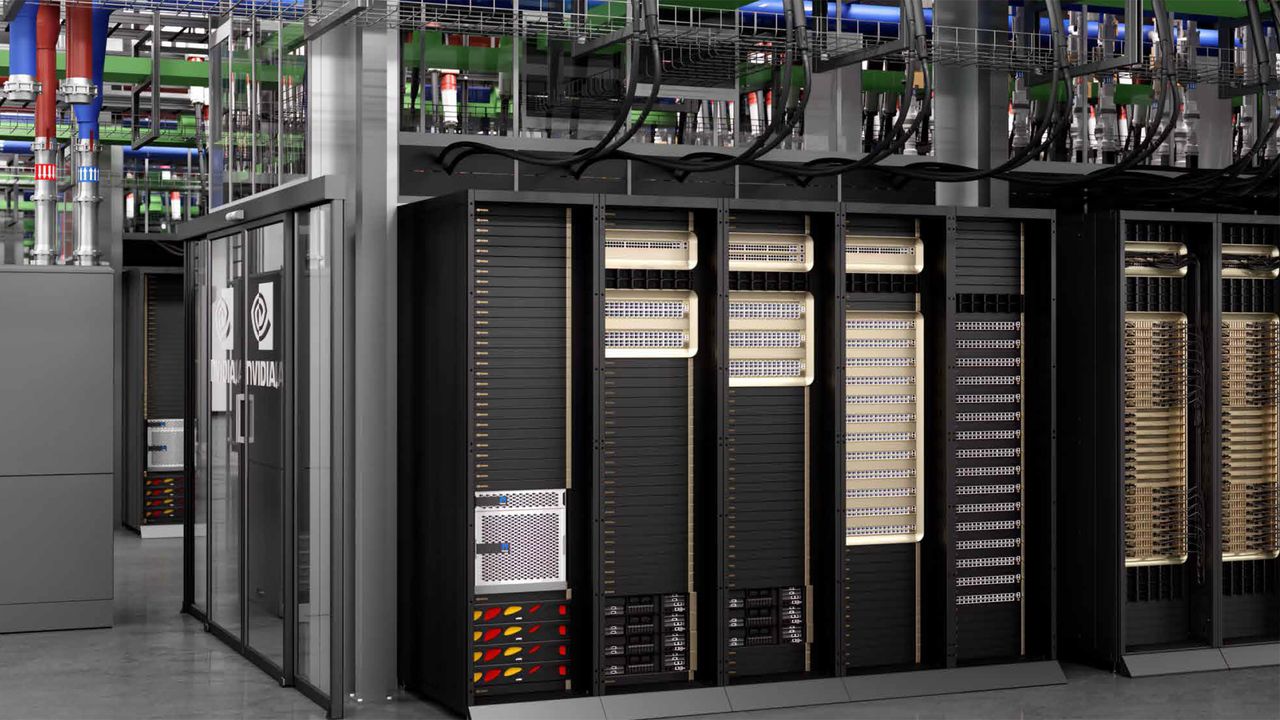
The artificial intelligence landscape, particularly concerning Large Language Models (LLMs), is characterized by continuous technological evolution and increasingly complex cost dynamics. A recent analysis highlights a significant trend: memory costs for Nvidia's AI systems have experienced a dramatic increase of 485%. This surge is not a marginal detail but a factor that is redefining the Total Cost of Ownership (TCO) for AI infrastructures.
The impact of this growth is directly reflected in the overall cost of the systems. The latest AI systems, built on Nvidia hardware, now reach $7.8 million for their construction. Within this complex architecture, memory is no longer a secondary component; it accounts for a quarter of the total cost, underscoring its centrality and economic weight.
The Crucial Role of Memory in AI Deployments
Memory, particularly high-bandwidth VRAM (Video RAM), is a critical component for the efficiency and performance of AI workloads, especially for the inference and training of large LLMs. Models with billions of parameters require enormous amounts of memory to be loaded and processed, directly influencing the context window size and throughput. The 485% increase in Nvidia's memory costs highlights growing pressure on the supply chain and the demand for these specialized resources.
This dynamic has direct implications for companies evaluating on-premise deployment strategies. The ability to host LLMs locally, ensuring data sovereignty and control, heavily depends on the availability and cost of hardware with sufficient VRAM. Such a marked increase in memory cost prompts CTOs and infrastructure architects to carefully reconsider capital expenditure (CapEx) budgets and long-term TCO projections.
Rubin GPUs and the Cost of Innovation
Within the context of these high-cost systems, specific hardware details emerge. Rubin GPUs, for instance, are priced at $50,000 each. This price, while substantial, fits into a framework where silicon innovation is fundamental to pushing the limits of computational capabilities required by AI. The combination of powerful GPUs and high-capacity memory is indispensable for managing the most advanced models and complex data pipelines.
For organizations aiming to build and manage their own AI infrastructure, the choice of GPUs and memory configuration represents strategic decisions. The initial investment in hardware like Rubin GPUs, coupled with rising memory costs, makes a thorough analysis of the trade-offs between performance, scalability, and economic sustainability essential.
Outlook for On-Premise Strategies
The escalation of memory costs and the high price of complete AI systems pose significant challenges for on-premise deployment strategies. While local hosting offers advantages in terms of data sovereignty, compliance, and security for air-gapped environments, the initial CapEx and overall TCO are becoming increasingly decisive factors. Companies must balance the need for control with the economic reality of hardware that is constantly increasing in price.
For those evaluating on-premise deployments, analytical frameworks on AI-RADAR/llm-onpremise can assist in assessing these trade-offs. A detailed understanding of hardware costs, including the impact of memory, is crucial for making informed decisions that align AI capabilities with the organization's strategic and financial objectives, without compromising flexibility or data security.





💬 Comments (0)
🔒 Log in or register to comment on articles.
No comments yet. Be the first to comment!