Nvidia and the PCB Material Challenge in the AI Era
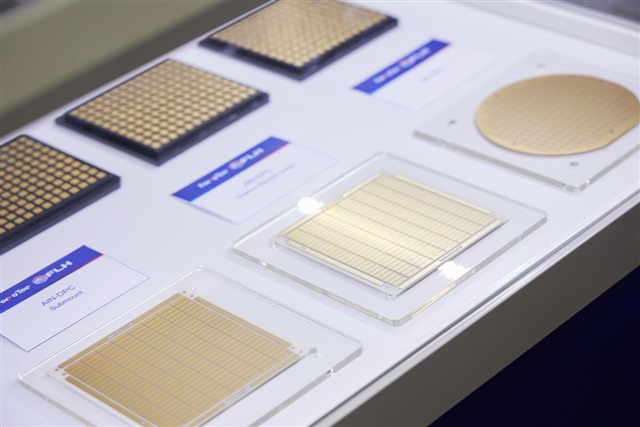
Nvidia, a dominant player in the artificial intelligence hardware landscape, is shifting its focus upstream in the supply chain, intensifying competition for advanced materials destined for Printed Circuit Boards (PCBs). In particular, attention is directed towards HVLP4 copper foil, a critical component whose availability and technology are becoming a distinguishing factor. This move underscores how innovation and production capacity are no longer limited to chip design but extend deeply into the materials that support their performance.
The technological and production gap related to HVLP4 copper foil is widening, indicating increasing difficulty for the industry to meet the demand for materials with increasingly stringent specifications. For companies developing and deploying AI solutions, understanding these dynamics is crucial, as they directly influence the ability to procure the necessary hardware for the most demanding workloads, from Large Language Models (LLM) to complex model training.
The Strategic Importance of Advanced Materials
PCB materials, such as HVLP4 (High-Volume Low-Profile) copper foil, are crucial for the performance and reliability of modern graphics cards and AI accelerators. These materials must ensure impeccable signal integrity, low energy loss, and efficient heat dissipation, indispensable requirements for high-frequency and power-dense architectures. With increasing clock speeds and memory bandwidth (like the VRAM of the latest GPUs), even the smallest imperfections in materials can significantly degrade the overall system performance.
A PCB's ability to handle high-speed data flows and effectively power components like H100 or A100 GPUs largely depends on the quality and electrical properties of its layers. Superior HVLP4 copper foil helps reduce signal loss, improve energy efficiency, and support more compact and complex designs—essential elements for achieving the throughput and low latency required by the most advanced AI applications. The competition for these materials reflects the race to optimize every single link in the hardware value chain.
Implications for On-Premise AI Infrastructure
For CTOs, DevOps leads, and infrastructure architects evaluating on-premise deployments for AI/LLM workloads, the dynamics in the PCB material supply chain have direct and significant implications. Limited availability or increased complexity in the production of materials like HVLP4 can translate into longer lead times for hardware, higher acquisition costs, and potential bottlenecks in scaling self-hosted infrastructures.
Planning the Total Cost of Ownership (TCO) for an on-premise AI infrastructure must consider not only direct purchase and operational costs but also risks related to the supply chain. Data sovereignty and complete control over the deployment environment, primary objectives for many organizations, depend on the ability to procure and maintain the necessary hardware. A robust and diversified supply chain thus becomes a critical factor for the resilience and predictability of on-premise deployments. AI-RADAR offers analytical frameworks on /llm-onpremise to evaluate these trade-offs and support informed decisions.
Future Outlook and Challenges in the AI Hardware Sector
Nvidia's increasing focus on PCB materials highlights a broader trend in the AI hardware sector: the pursuit of competitive advantages is increasingly shifting towards optimizing every component, from chip microarchitecture to basic materials. The "gap" widening in the HVLP4 copper foil sector suggests that only a few suppliers can meet the most demanding specifications, creating a potential bottleneck for the entire industry.
In the future, the ability to innovate and ensure the supply of these advanced materials will be as crucial as chip design itself. Companies aiming to build and maintain cutting-edge AI infrastructures will need to closely monitor these supply chain dynamics, strategically planning purchases and evaluating alternatives to mitigate risks. Supply chain resilience will become a fundamental pillar for the success of AI deployments, especially in contexts requiring on-premise control, security, and performance.









💬 Comments (0)
🔒 Log in or register to comment on articles.
No comments yet. Be the first to comment!